 Skip to main content Skip to footer
200 Hour Residential Training · Morjim, Goa
Trauma-Informed Yoga Teacher Training in Goa — Teach With Deeper Understanding.


Recognition
Sometimes the posture
is only part of the story.

Why This 200 Hours?
A teacher training for the realities of modern classrooms.
Yoga teachers meet students with very different relationships to stress, challenge, stillness, touch and their own bodies. This programme keeps yoga at the centre while adding the literacy to teach with greater awareness.
Some come to teach. Others come to understand themselves, reset, or spend a meaningful period in sustained practice and inquiry.


Different reasons.
A shared curiosity about the whole human being.
The Yoga Teacher
The Wellness Professional
The Curious Practitioner
The Person in Transition
The Science · In Human Language
Understand the framework.
Then learn how it changes the way you teach.
Trauma-Informed Teaching
Nervous-System Regulation
Interoception
Window of Tolerance
Polyvagal-Informed Perspectives
Co-Regulation & Presence
A Necessary Distinction
Trauma-informed does not mean
turning yoga into therapy.


Daily Rhythm
A day that moves between
practice, understanding and integration.
Begin in the body.
Nourish. Reset. Notice.
Understand what you are observing.
Let information settle.
Turn understanding into teaching choices.
Explore a different quality of practice.
Close with integration.
Learning Experience
Twelve strands.
One integrated way of teaching.
Nervous System Regulation
Trauma-Informed Yoga
Trauma Literacy
Somatic Movement
Polyvagal-Informed Teaching
Yin Yoga
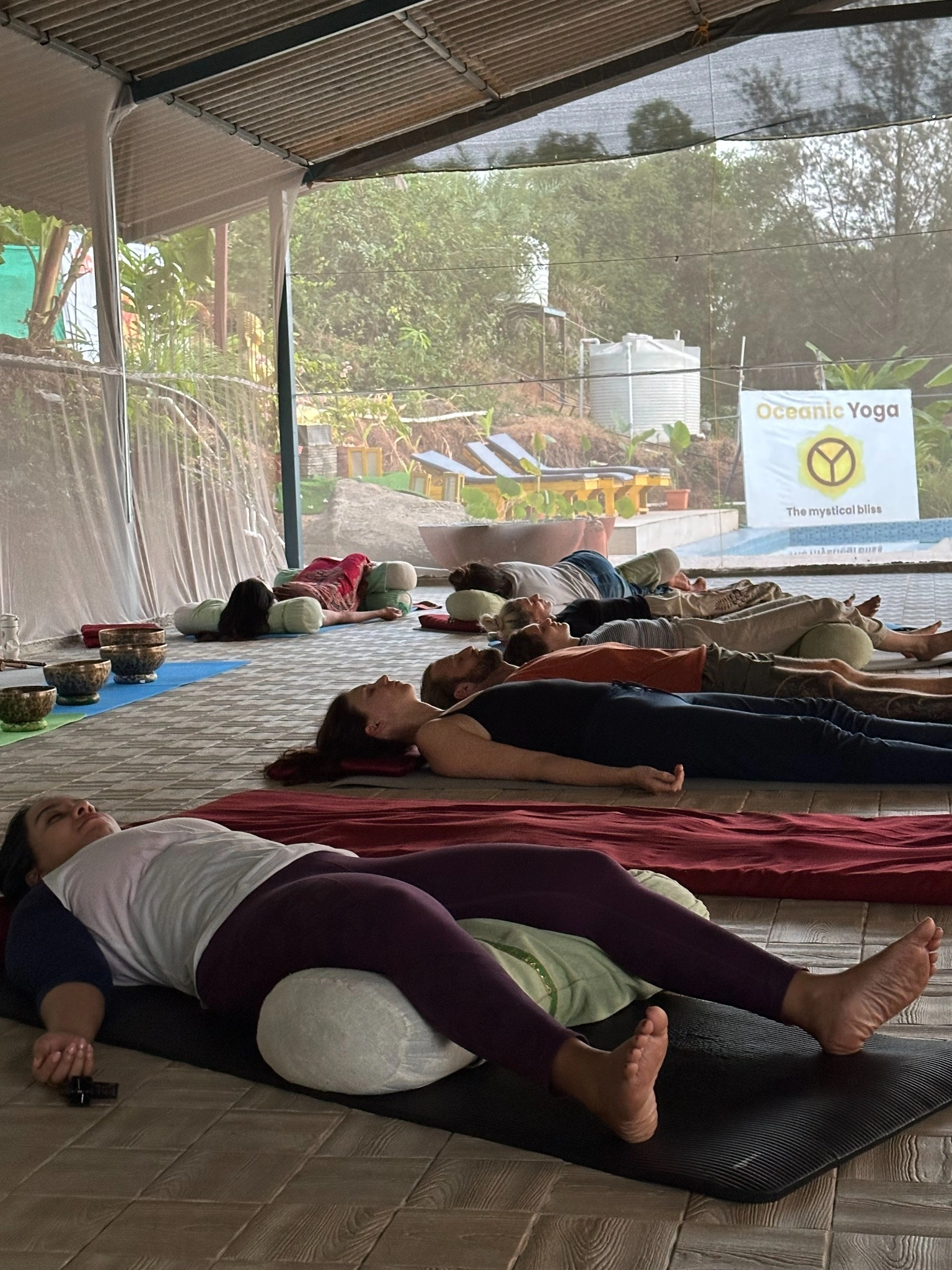
Yoga Nidra
Breathwork & Pranayama
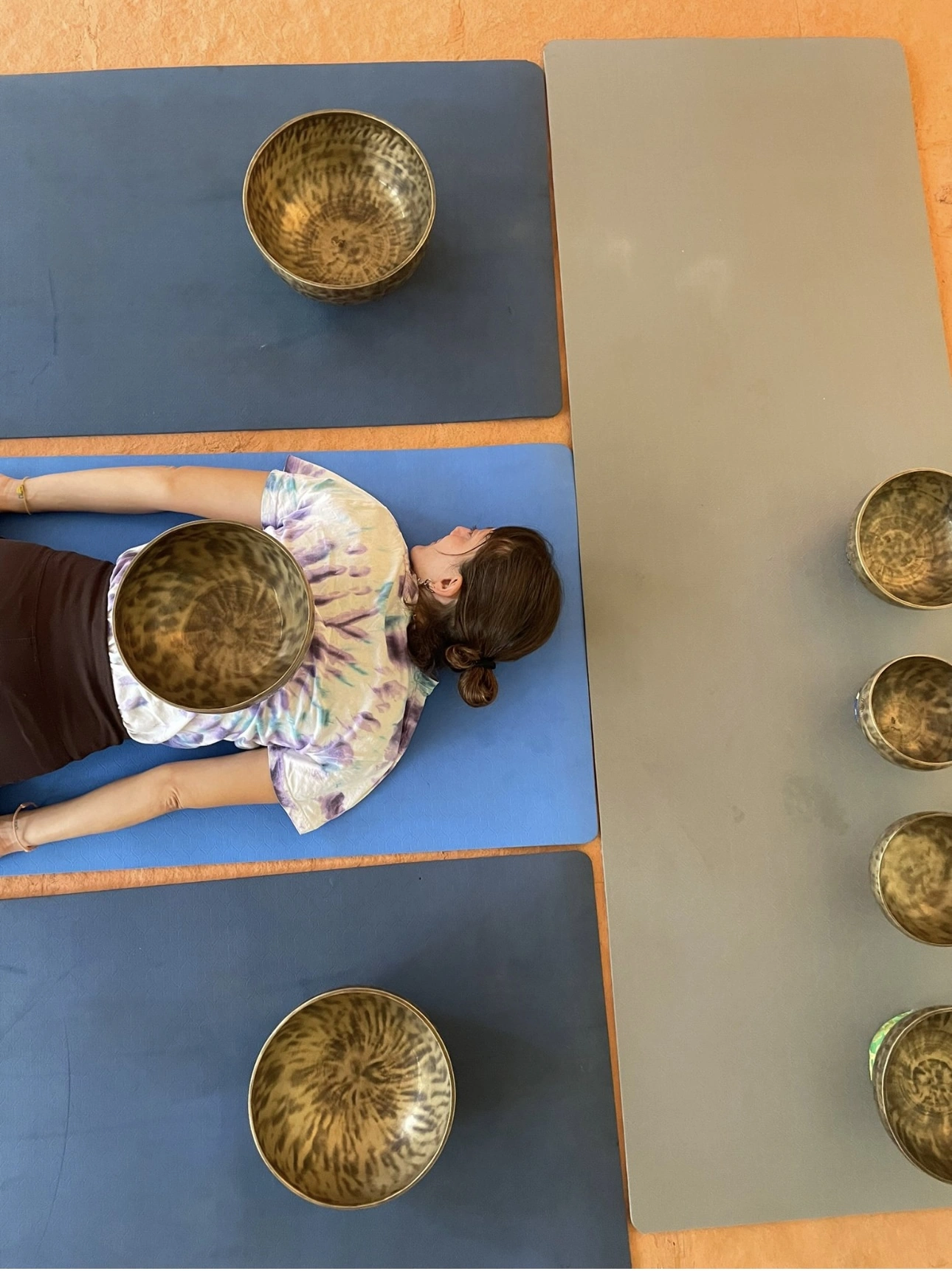
Sound Healing
Meditation & Mindfulness
Restorative Yoga
Teaching Methodology
Practice, Not Just Theory
Practices for regulation
you will explore and learn to teach.
01 · Slow Diaphragmatic Breathing
02 · Extended Exhale Breathing
03 · Gentle Forward Folds
04 · Humming & Chanting
05 · Restorative & Yin Postures
06 · Yoga Nidra
A specialist training needs
more than specialist terminology.
Built Around the Theme
Embodied, Not Only Theoretical
Guided in a Residential Setting
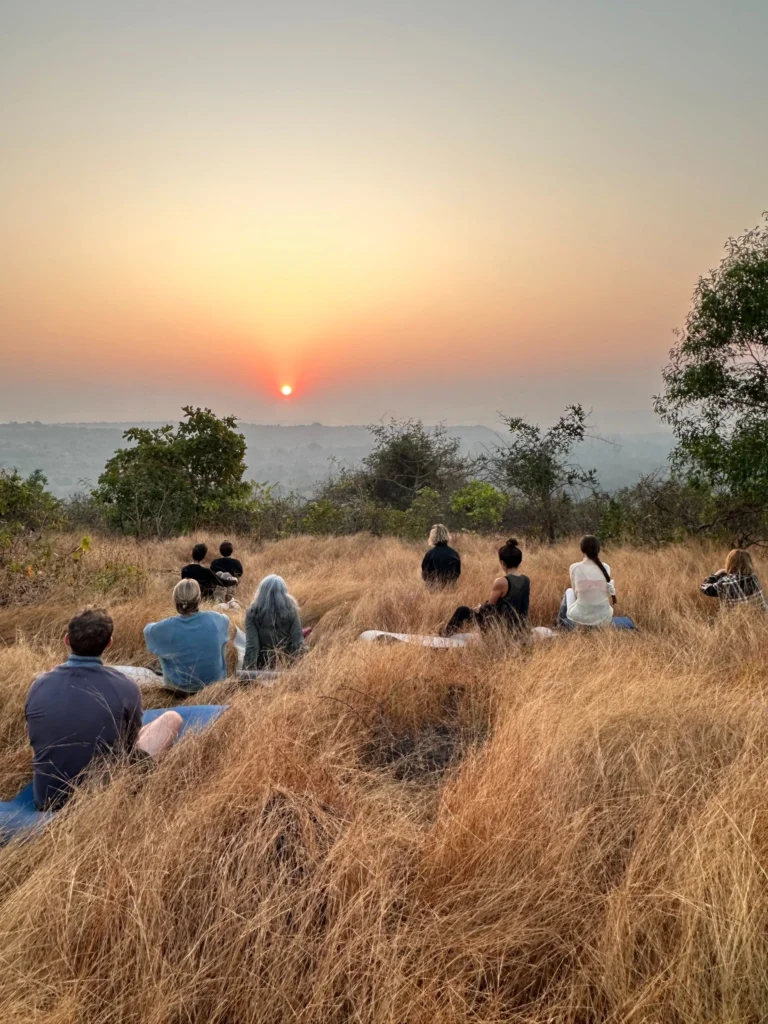
From Knowledge to Teaching
Not simply what you know.
How you meet the room.
A place to study deeply —
and space to let it settle.
Guided in Person
Small Enough to Be Seen
Space to Integrate
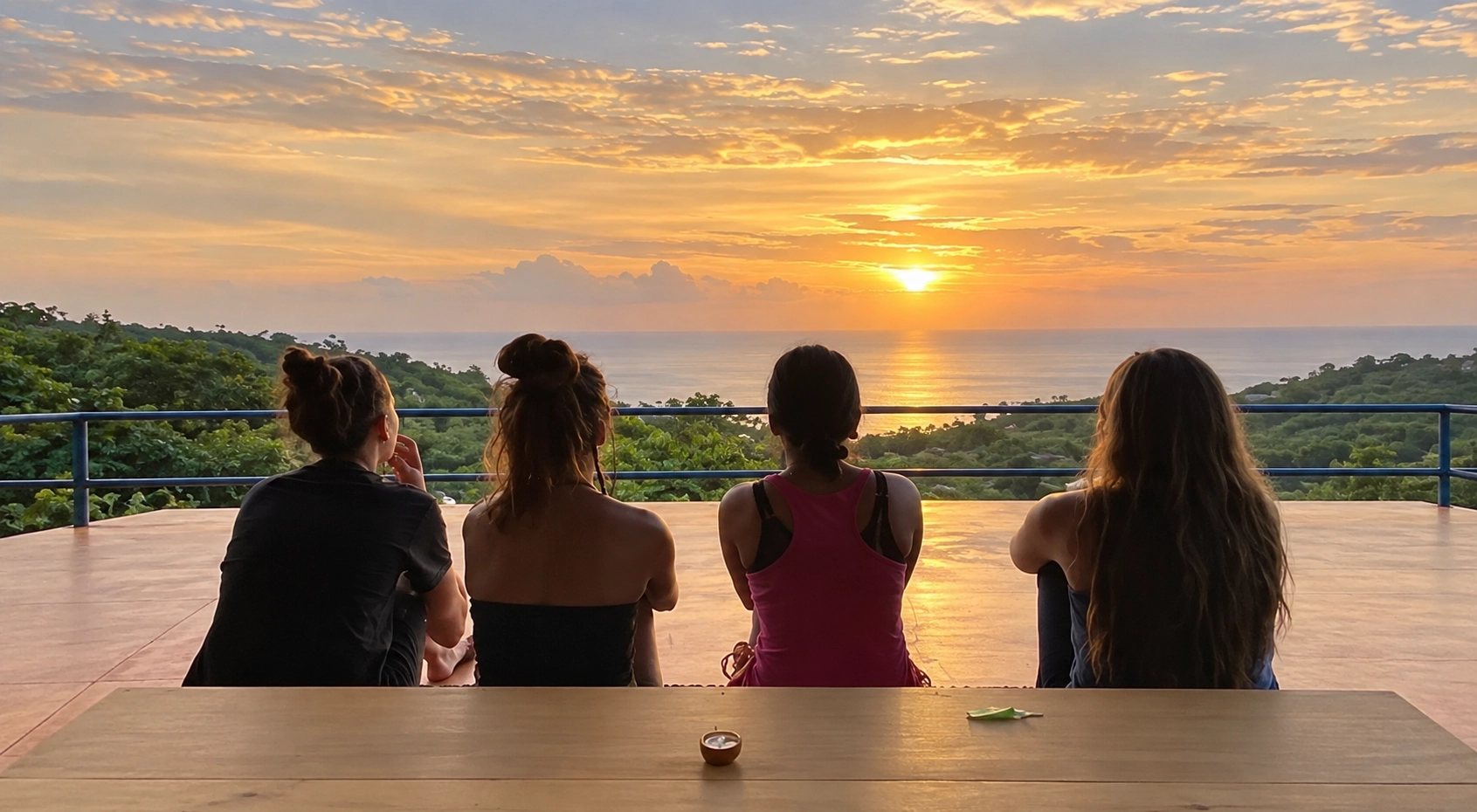
My work isn’t to be in every room. It’s to make sure every hour is worth showing up for.
Swami Anand Jiska, Torchbearer
Teacher’s Panel
The people behind the training.
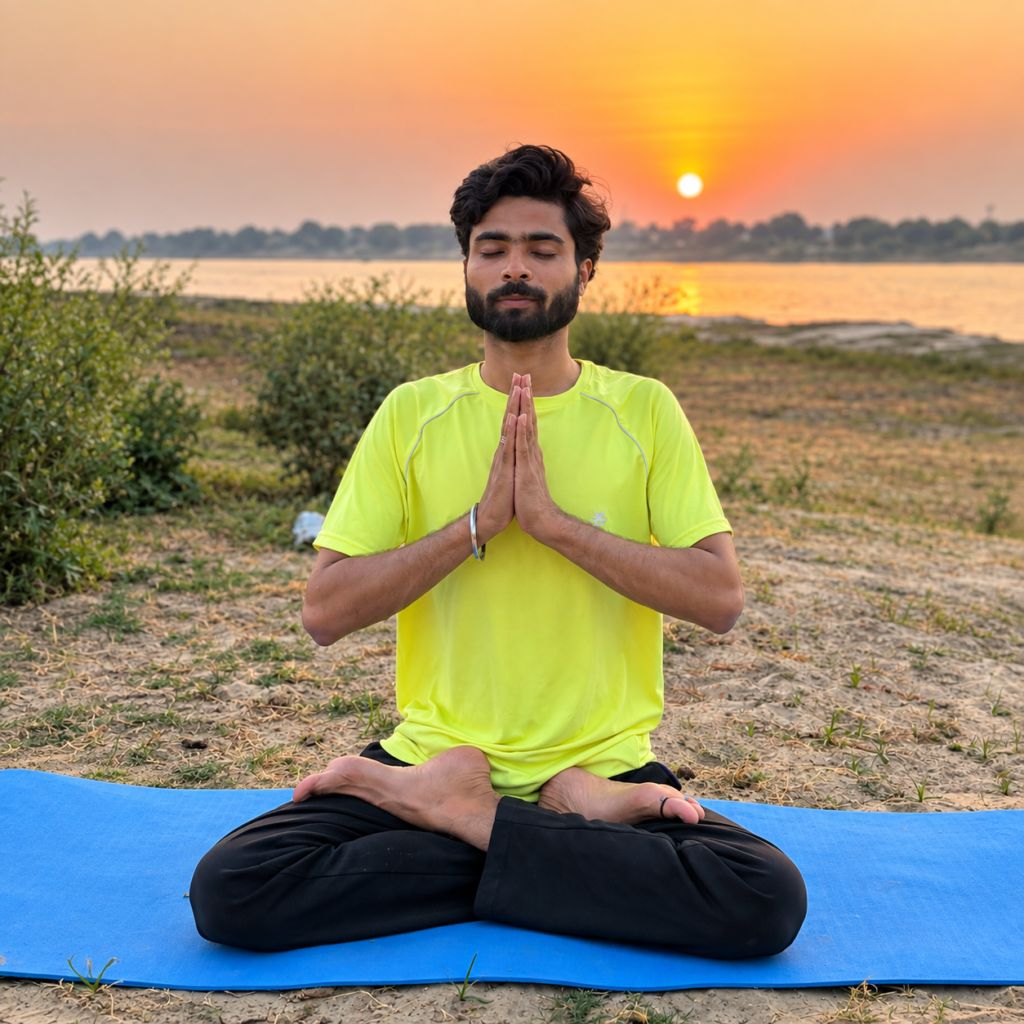
Madhup Srivastava
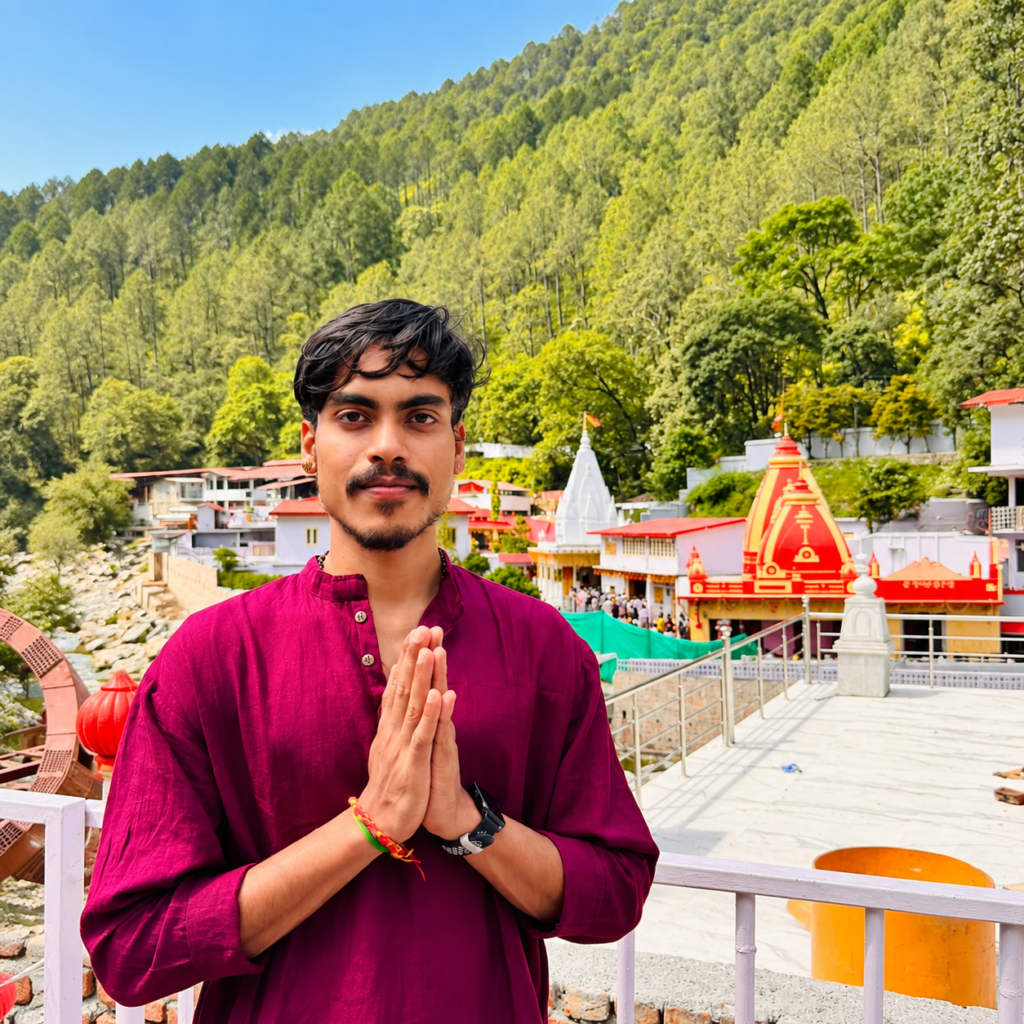
Amarjeet Ranjan
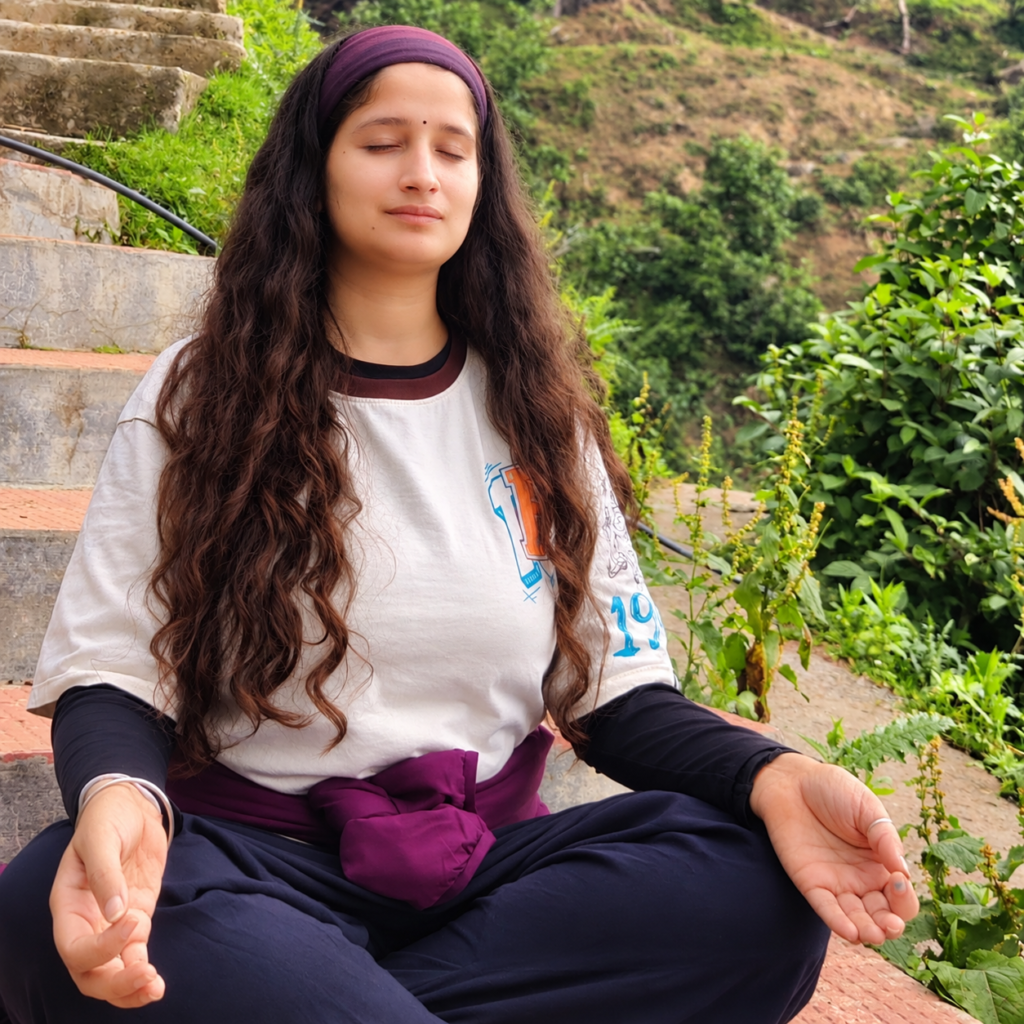
Gauri Mehra

Angel Kaushik
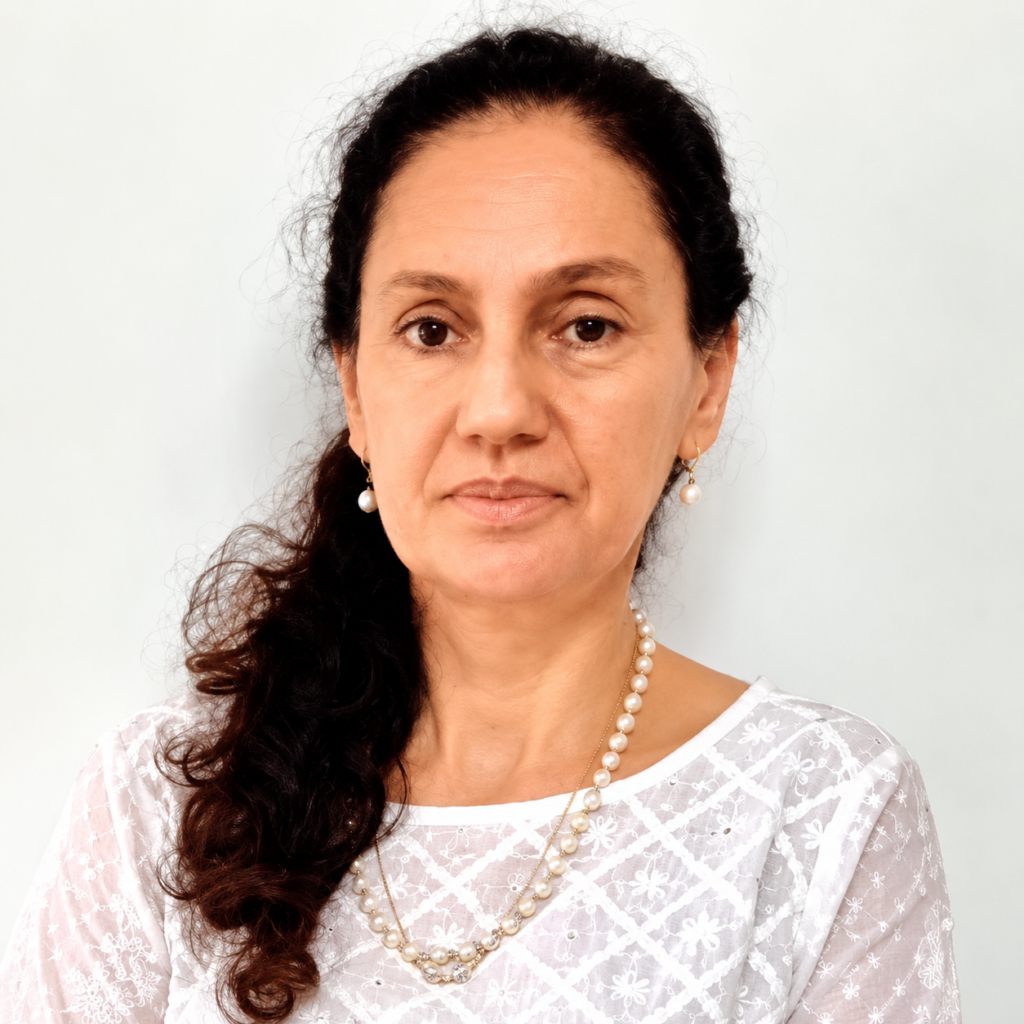
Ma Prem Kalu
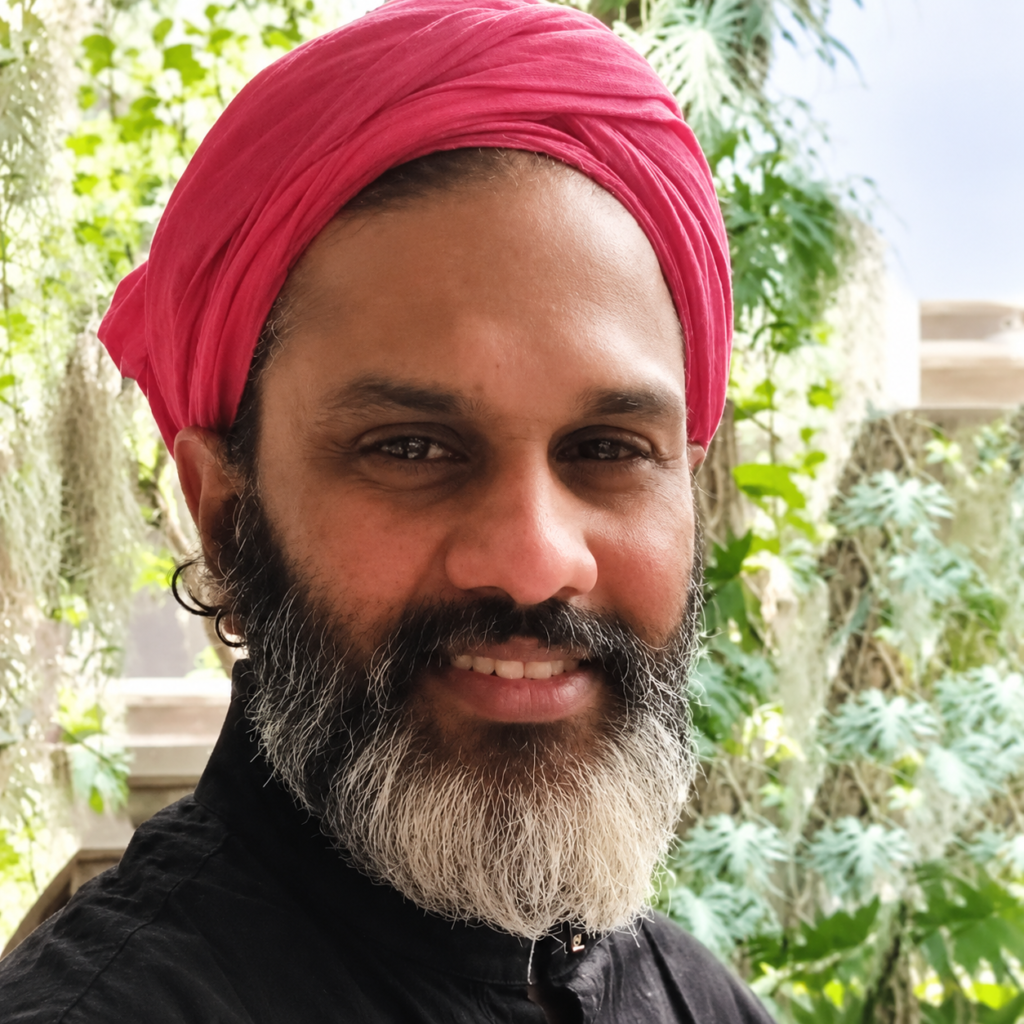
Naren JI
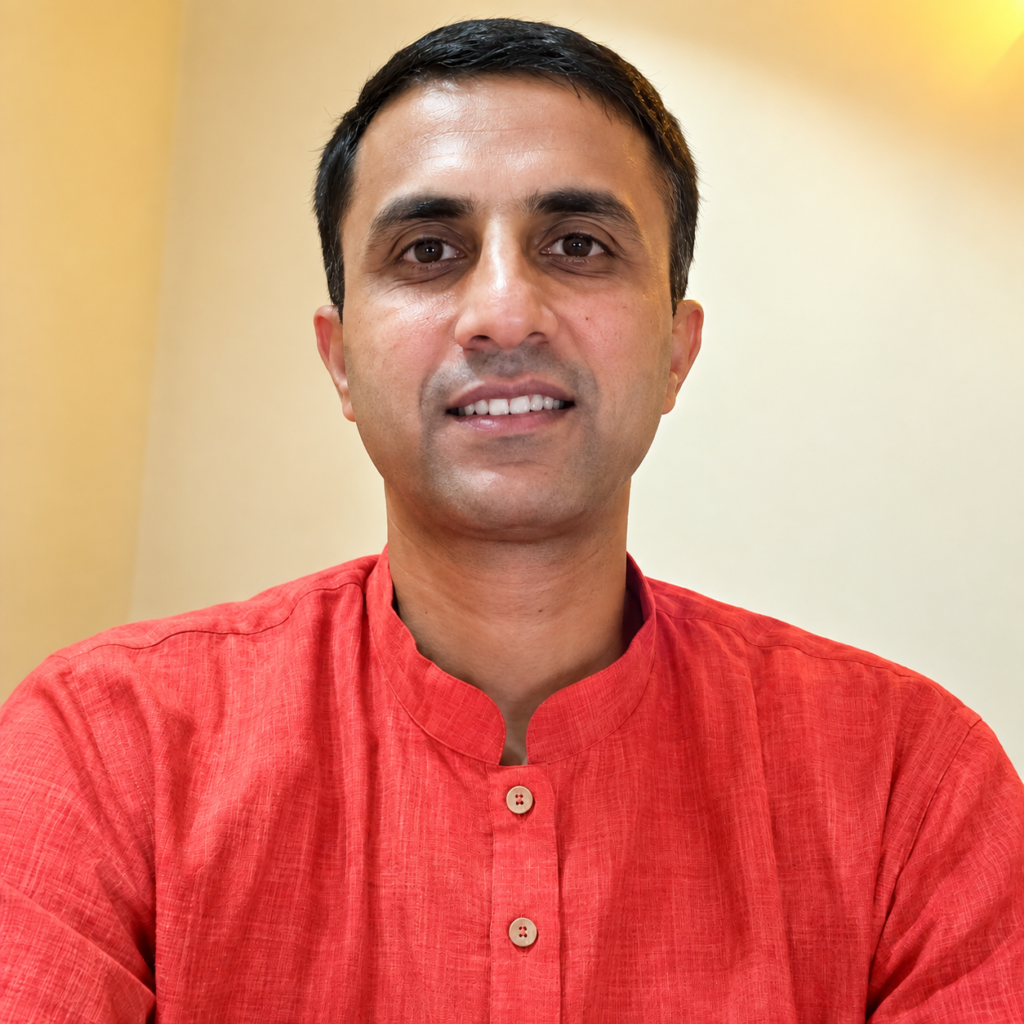
Girish JI
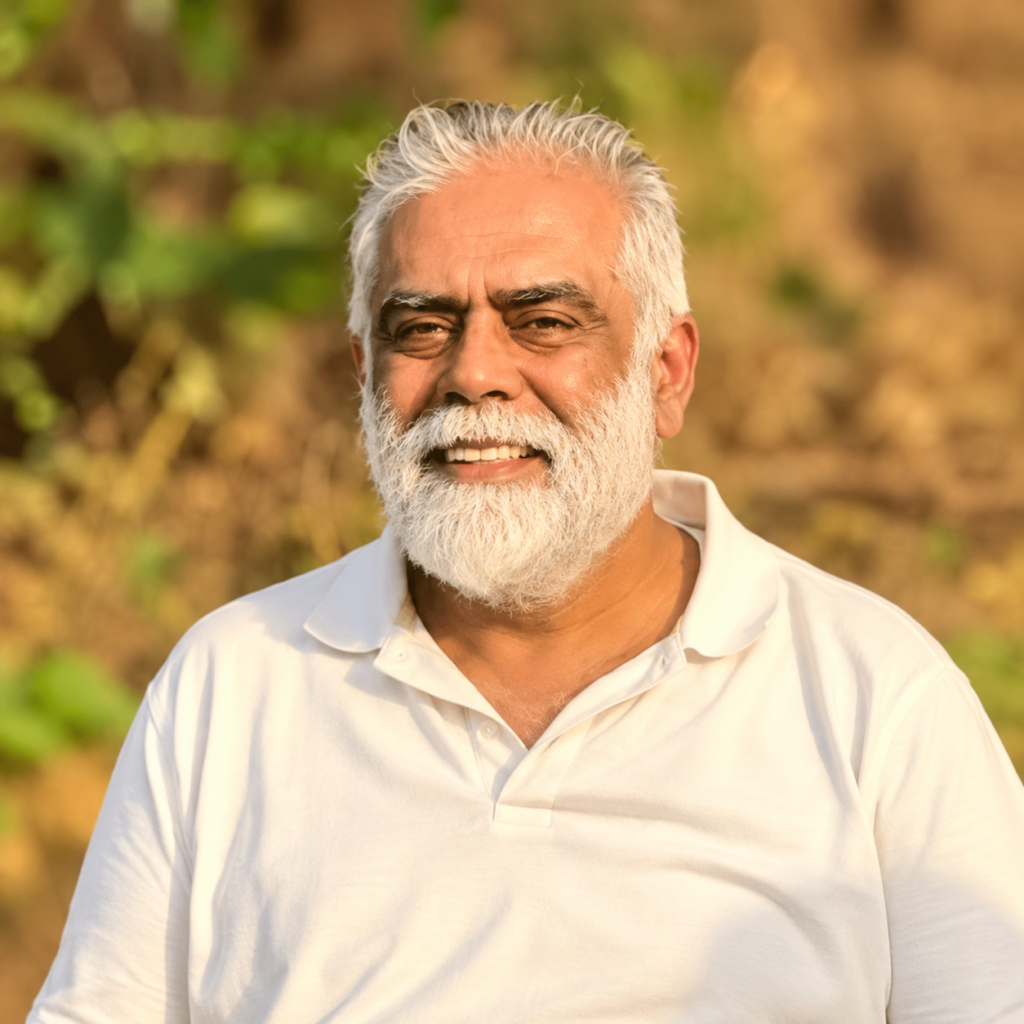
Swami Krishna Saraswati

Varsha Ji
Morjim · North Goa
Close to Morjim.
Surrounded by enough quiet to go deeper.

Student Voices
Real experiences, from real students.

Dates & Investment
Residential training in Goa.
Twin Share
Triple Share
Private Room
Planning Your Journey
Plan the practical details before you arrive.

Live where you practise.



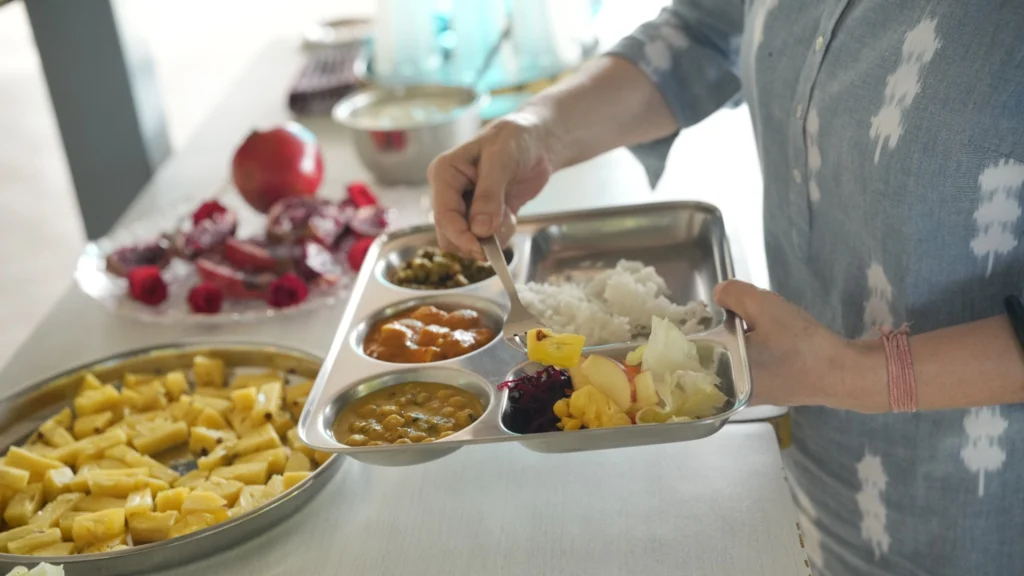
Simple nourishment for an intensive month.
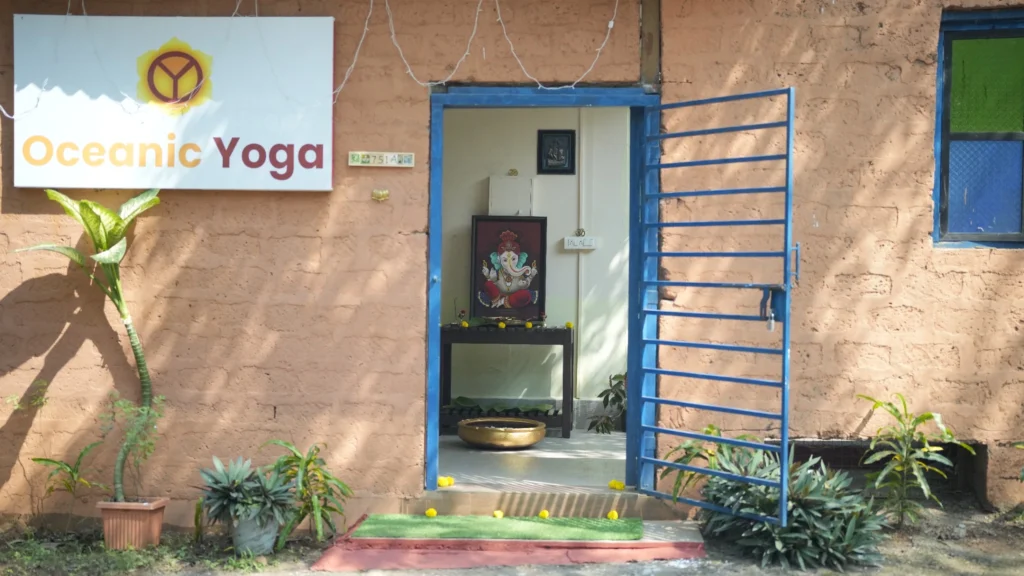
Two Goa airports. One easy arrival plan.
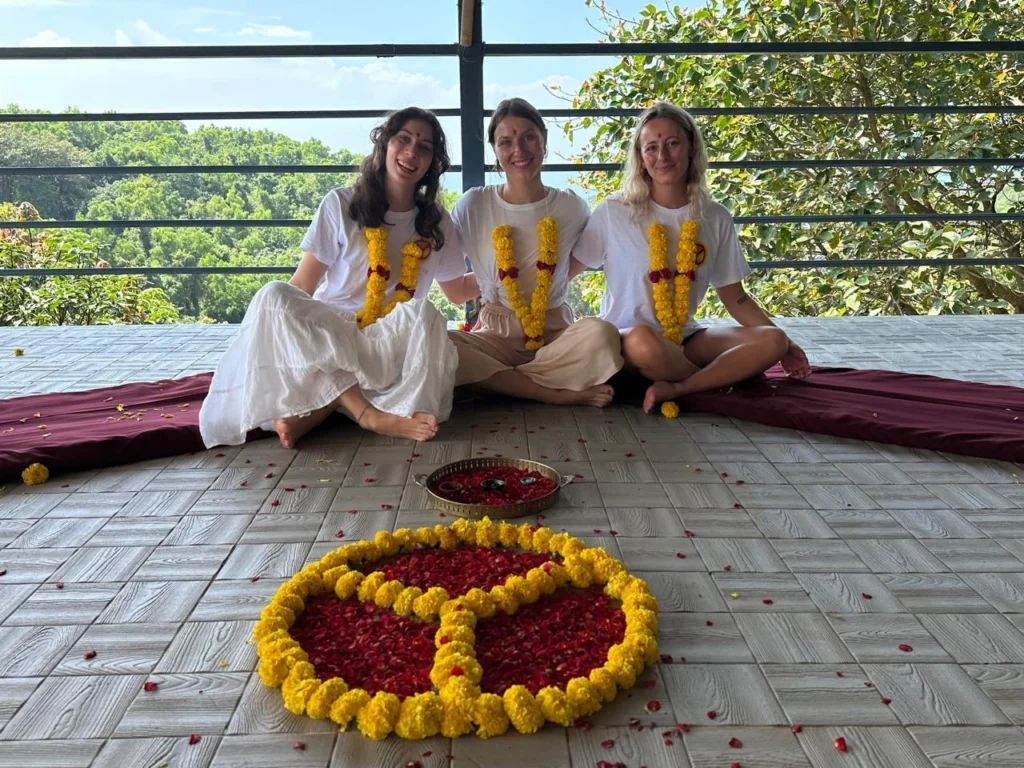
Come ready for an immersive rhythm.

Ask before you arrive.

Frequently Asked Questions
Questions about the training.
What is trauma-informed yoga?
Trauma-informed yoga is an approach to teaching that recognises that stress and difficult experiences can influence how people experience their bodies, environments, touch, authority and choice. It emphasises autonomy, consent, options, predictable communication and respectful pacing. It is yoga education, not psychotherapy or trauma treatment.
Why is nervous system regulation becoming an essential part of modern yoga?
Nervous-system awareness is increasingly relevant because students can respond very differently to intensity, stillness, touch and instruction. Understanding arousal, settling, choice and individual response gives a teacher another practical lens for creating thoughtful, adaptable classes.
How is this different from a traditional yoga teacher training?
A conventional 200 Hour training usually covers the core foundations of yoga practice, philosophy, anatomy and teaching methodology. This programme keeps those teacher-training foundations while placing additional emphasis on nervous-system education, somatic approaches, choice, consent, pacing and trauma-informed teaching.
What makes Oceanic Yoga’s approach different?
The programme is built around the theme rather than adding trauma awareness as a short standalone topic. Nervous-system education, somatic movement, Yin, Restorative Yoga, Yoga Nidra, breathwork, meditation and teaching methodology are explored together in a residential setting, with emphasis on embodied practice and practical application.
How long is the training?
Oceanic currently describes the residential programme as 23 days and 22 nights. Confirm the exact arrival and departure dates for your chosen batch with the Oceanic team before booking travel.
Who is this training designed for?
Whether you’re a newly qualified yoga teacher, an experienced educator, a wellness professional or a dedicated practitioner, this programme offers a practical introduction to nervous system regulation and trauma-informed yoga. No background in psychology or healthcare is required.
Do I need a psychology background?
No. The material is introduced from the ground up for yoga teachers and practitioners. The course is educational, not a psychology or psychotherapy qualification.
Can I join for personal development rather than teaching?
Yes. The programme can suit practitioners interested in sustained yoga practice, body awareness, meditation, nervous-system education and personal inquiry.
Who can benefit from these skills, beyond yoga teachers?
The training may also be relevant to wellness professionals, movement teachers, coaches, therapists and healthcare practitioners who want an embodied yoga perspective. Participants should apply what they learn only within the legal and ethical scope of their own professional qualifications.
Is this suitable if I am looking for a deeper personal immersion, not only a qualification?
Yes. The residential format can also suit practitioners who want time for sustained practice, reflection and self-inquiry. The teacher-training structure gives the journey direction, while the specialist curriculum offers another way of understanding your relationship with practice, stress and embodied awareness.
What will I learn?
The published curriculum includes nervous-system regulation, trauma-informed yoga, trauma literacy, somatic movement, Polyvagal-informed teaching, Yin Yoga, Yoga Nidra, breathwork and pranayama, sound healing, meditation, restorative yoga and teaching methodology.
What is nervous-system regulation in yoga?
Here it means understanding changing experiences of arousal, stress, settling and connection, and exploring how movement, breath, attention and rest may influence them without promising medical treatment.
What is interoception?
Interoception concerns sensing, interpreting and integrating signals arising from within the body. In yoga this can include noticing breath, tension and other internal sensations; trauma-informed teaching does not assume inward attention is comfortable for everyone.
What is the window of tolerance?
A widely used conceptual model for a workable range of arousal. We use it as a non-diagnostic teaching lens for pacing, intensity, grounding and choice.
What is Polyvagal Theory?
An influential framework associated with Stephen Porges linking autonomic state with ideas about safety and social connection. It is taught here as a useful perspective with active scientific debate around aspects of its interpretation, not as settled neuroscience.
Is trauma-informed yoga the same as trauma-sensitive yoga?
Not necessarily. The terms overlap and are used differently across organisations. Trauma-sensitive yoga can also refer to specific structured approaches used in clinical research. Oceanic focuses on trauma-informed principles for yoga teaching.
Is teaching practicum included?
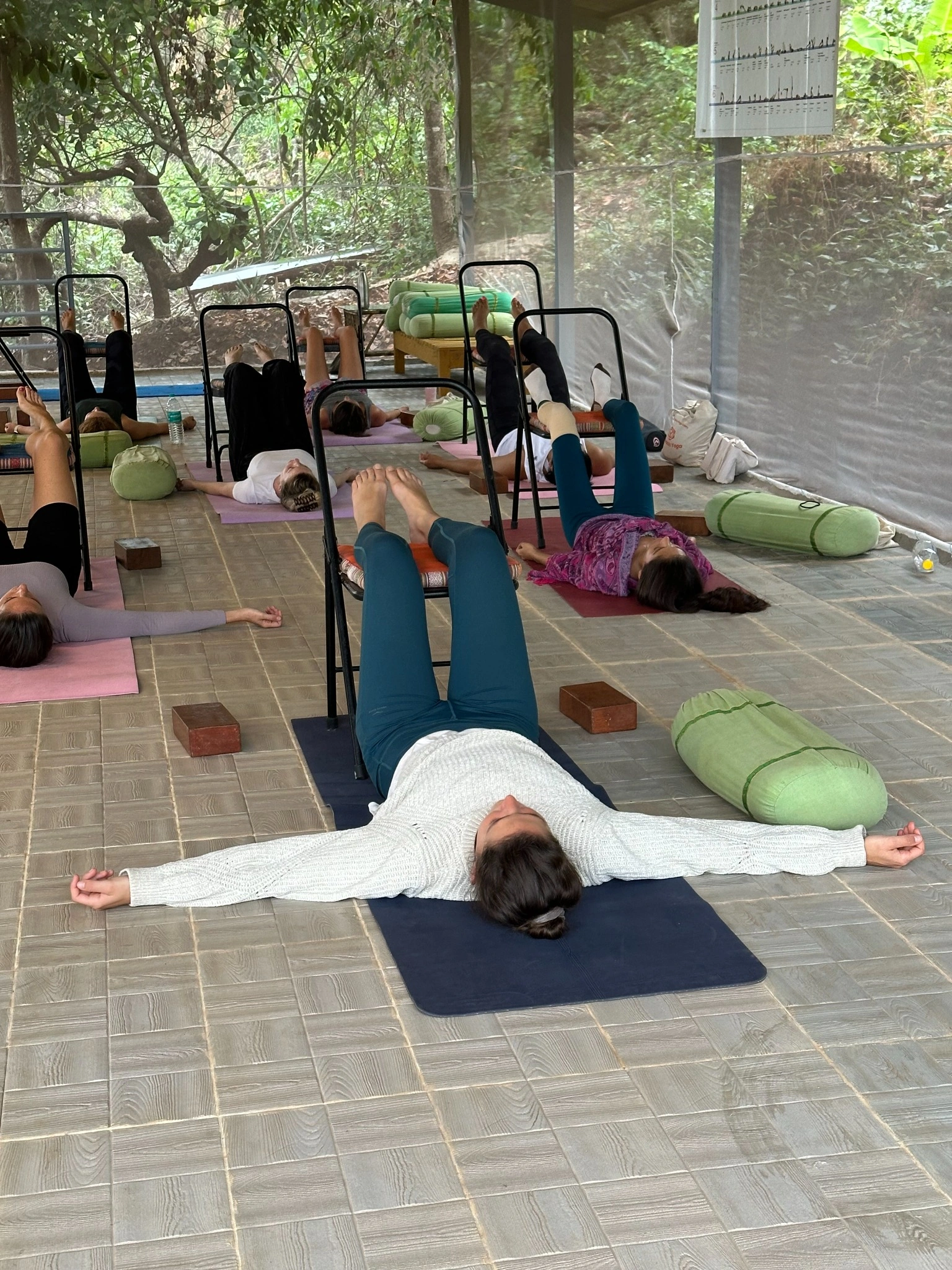
Yes. Oceanic’s published daily rhythm includes practice teaching, partner exercises, group exploration and experiential learning.
Will I learn how to make yoga classes more choice-centred?
Yes. The training explores invitational language, options, consent, boundaries, pacing and predictable transitions, then connects these principles with teaching practice rather than leaving them as theory.
How are somatic practices integrated with yoga?
Somatic movement is used as a way of exploring sensation, agency, pacing and embodied attention. It sits alongside asana, Yin, restorative practice, breath, meditation and Yoga Nidra rather than replacing traditional yoga practice.
What certification will I receive?
On successful completion, you receive a 200 Hour Yoga Alliance accredited certificate from Oceanic Yoga along with a complimentary lifetime RYT 200 membership with the International Yoga Association. You can also separately register as an RYT 200 with Yoga Alliance to teach worldwide. Oceanic Yoga is a Yoga Alliance Registered Yoga School (RYS 200).
What can I take into my teaching after the training?
You leave with practical ways to bring greater choice, consent, pacing, observation and nervous-system awareness into yoga classes, alongside the broader teaching skills developed through the 200 Hour programme.
Can this training support an existing yoga teaching career?
Yes. For existing teachers, the specialist focus can deepen how you work with different student responses and add a more considered, trauma-informed perspective to classes, workshops and individual teaching.
Where is Oceanic Yoga?
In Morjim, North Goa, on a small hillock surrounded by greenery and around ten minutes from Morjim Beach.
What accommodation is available?
Current residential packages list air-conditioned triple-share, twin-share and private rooms with balconies, subject to availability.
Are vegetarian and vegan meals available?
Vegetarian meals are included according to Oceanic’s published schedule; Sundays are breakfast only. Confirm vegan or other dietary needs with Oceanic before booking.
Which Goa airport should I use?
Goa Dabolim or Manohar International Airport at Mopa. Oceanic’s current page lists transfer from either at USD 30; reconfirm when booking.
Is Goa suitable for a solo female traveller?
Many international students travel independently, but no destination is risk-free. Use normal travel precautions, reliable transport for late arrivals and current local travel advice.
What is included in the course fee?
Comprehensive tuition, accommodation, nourishing vegetarian meals, study materials and access to all practical and theoretical sessions.
How much is the booking amount?
The currently published amount is €400, described by Oceanic as non-refundable but transferable and adjusted against the total course fee. Confirm written terms before payment.
