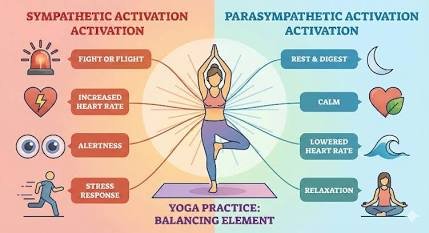
A More Integrated and Compassionate Approach to Modern Yoga Education. One way to foster this approach is through trauma-informed yoga teacher training, which helps yoga instructors support students with greater sensitivity and understanding.
For future yoga education, there is a move towards greater awareness of the
fullness of the human experience.
In the current world we live in, today’s yoga instructors will find themselves
encountering students dealing with stress, anxiety, burnout, emotional overload,
nervous system dysregulation, and the residual impact of chronic stress and
trauma.
In light of these challenges faced by modern practitioners, traditional
forms of yoga education that focus primarily on physical sequencing and asanas may
no longer suffice.
Oceanic Yoga is excited to offer the Nervous System Regulation &
Trauma-Informed Yoga Teacher Training as a multidimensional and integrated
course of study, combining age-old knowledge about the practice of yoga with
modern understanding of nervous system regulation, somatic awareness, emotional
processing, and healing techniques.
This teacher training program covers a wide range of techniques and methods that aim to regulate, ground, provide safety, enhance embodiment, and affect
conscious change through conscious transformation.
Why Multiple Modalities Matter in Trauma-Informed Yoga Teacher Training
Human beings are complicated.
Stress, trauma, and nervous system dysregulation are both mental and physical
problems. They impact:
- Breathing
- Posture
- Emotions
- Sleep
- Digestion
- Relationships
- Energy
- Perception
- Feeling safe and present
This is why trauma-informed yoga requires a multidimensional approach to be
successful. Various types of practices will aid with particular healing processes
and nervous system regulation. For instance, one practice may help to bring peace
into a person’s nervous system, while another would help them connect better with
themselves – their body, emotions, breathing, or centering.
This is what makes Oceanic Yoga’s teacher training on Nervous System Regulation
& Trauma-Informed Yoga is unique and effective.
Yin Yoga for Nervous System Regulation
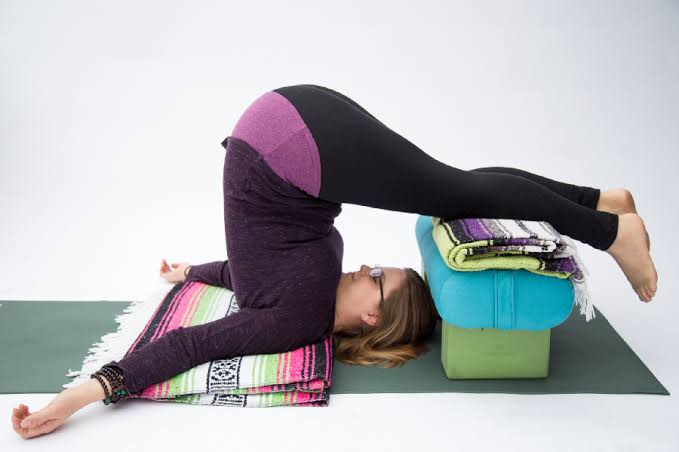
One of the modalities that was introduced during the training process is Yin Yoga.
Rather than moving quickly and engaging the brain at an intense level, Yin Yoga
embraces the principles of stillness, long-held postures, inner observation, and
nervous system settling.
Yin Yoga focuses on:
- Fascia
- Connective tissue,
- Energy meridians,
- Breath awareness,
- Inner observation.
As a practice, because of its pace and meditative nature, Yin Yoga is effective for:
- down-regulating the nervous system
- emotional awareness
- grounding
- restoring the nervous system and
- cultivating presence
In the context of being trauma-sensitive, Yin Yoga is taught with care and respect for the
individuals’ nervous systems.
The principles of Oceanic Yoga’s approach to the training of Yin Yoga teachers inform
a large part of the new training.
Restorative Yoga & Therapeutic Rest
Another equally essential practice of nervous system regulation is Restorative Yoga.
Modern culture leaves people perpetually stimulated and productive, which makes rest scarce.
Restorative yoga achieves this through the use of:
- Supportive poses, props
- Conscious relaxation, breath focus
- Pace of practice aligned with the nervous system
This practice might be beneficial for:
- Achieving rest, calming emotions
- Improving sleep, restoring the nervous system
- Relaxation of the mind and body
Students within the training program gain knowledge on how to make their restorative environment safer, while gaining knowledge about the different types of responses that the various nervous systems can have towards stillness and relaxation.
Breathwork & Pranayama
Breathing is directly connected to the nervous system. Within yogic philosophy, pranayama was always seen as a very potent technique for balancing energy, awareness, and emotions. It has now been confirmed through modern neuroscience that breathwork has a profound effect on stress regulation and emotional well-being.
The course teaches techniques that are used for:
- Grounding
- Emotional regulation
- Nervous system balancing
- Mind-awareness
- Self-regulation
Participants gain knowledge on how certain breathing exercises affect both
physiology and emotions, while also learning how to conduct safe breathwork
sessions.
It is not about creating an intense experience, but about regulating, being aware, and applying the techniques wisely. Breath is intimately connected to the workings of the nervous system.
According to yogic philosophy, pranayama has always been recognized as an effective
technique in balancing energy, mind, and emotions.
Modern science now recognizes. The significance that breath has on emotional well-being and stress management. The program examines breathwork techniques that promote:
- Grounding
- Emotional regulation
- Nervous system balancing
- Mindful awareness
- Self-regulation
By examining how various breath techniques affect both physiological and
emotional responses, participants gain insight into the need for sensitive trauma
Informed facilitation in breathwork. Intensity and force are not the primary emphasis; rather, it is intelligence,
awareness, regulation, and safety.
Somatics &Embodied Awareness
The role of somatic practices within trauma-informed yoga education cannot be understated.
Somatics involves awareness of the body from within and living one’s life inside one’s body. When someone suffers from trauma or stress, they often feel disconnected from the sensations of their body, emotions, and signals from inside themselves.
Somatic techniques allow for the restoration of that connection in a gentle manner.
In the context of the yoga educator training, the focus will be on:
- Embodied movement
- Interoception
- Felt sense awareness
- Mindful movement patterns
- Body-based awareness techniques.
All of these techniques will assist the participants in building a better connection with:
- Sensations
- Emotional awareness
- Nervous system signals
- Embodied presence.
Meditation & Mindfulness Practices
In the case of the mediation element of the course, it is addressed through a practice that
is informed by trauma awareness and grounding. Despite the benefits associated with meditation, there may be cases where some forms of stillness or observation may prove to be too much for dysregulated nervous systems.
This is why the course looks at:
- Trauma-informed meditation anchors
- Mindfulness
- Grounding skills
- Mindfulness of nervous systems
It all aims to enable participants to build practices for:
- Presence
- Regulation of emotions
- Calming of the nervous system and
- Stabilization
Instead of escaping reality, meditation in this training serves as a means of embodiment and compassion.
Sound Healing & Vibrational Practices

Sound has been a part of the yogic and healing practices throughout history as a means of transformation, emotional catharsis, and energy balancing.
Sound effects:
- Emotional conditions
- Nervous system reactions
- Energetics perception
- Relaxation
- Sensory awareness
The training includes an introduction to sound vibration techniques that could assist in regulating the nervous system when utilized with sensitivity. Experience acquired by Oceanic Yoga in Sound Healing & Yin Yoga Teacher Training contributes to the multidimensionality of this course.
Students learn about the effect of the following aspects within trauma-informed facilitation:
- Sound frequencies
- Silence
- Chanting
- Vocal tone
- Energetic environment
- Sensory environments
Trauma-Informed Teaching Methodologies
Aside from the techniques and practices, the training strongly emphasizes the process through which yoga is facilitated and taught. Examples of trauma-informed teaching approaches are:
- Consent-based facilitation
- Non-coercive communication
- Choice-based teaching
- Boundary awareness
- Compassion-driven communication
- Emotional intelligence in creating space
Trainees become aware that the way a session is conducted can affect whether the students feel:
- Safe
- Pressurized
- Grounded
- Ungrounded
- Supported
- Overwhelmed
This results in a more ethical and conscious approach to yoga teaching.
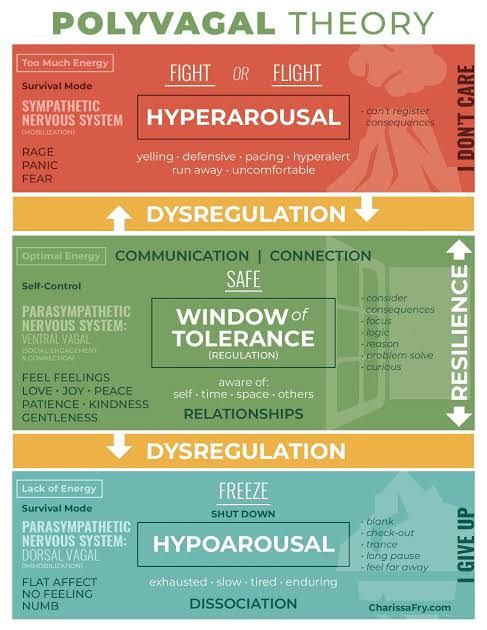
Nervous System Education & Polyvagal Understanding
A crucial component of the training is gaining an insight into the functioning of the nervous system.
Participants gain knowledge about:
- Fight, Flight, Freeze, and Fawn responses
- Stress physiology
- Emotional regulation
- Window of tolerance
- Co-regulation
- Polyvagal knowledge
This theoretical base will enable teachers to better comprehend the reasons why some students may have different reactions to:
- Movement
- Stillness
- Touch
- Breathwork
- Silence
- Emotional states
- Group settings
This knowledge will be instrumental in creating compassionate and mindful yoga spaces.
A More Integrated Future for Yoga Education
Yoga is not confined solely to physical movement anymore.
The future of yoga teachings is going to be more:
- Embodied
- Trauma-sensitive
- Emotionally intelligent
- Nervous system informed
- Therapeutically aware
Oceanic Yoga’s Nervous System Regulation & Trauma-Informed Yoga Teacher Training
Training captures the essence of this shift by incorporating ancient and contemporary
wisdom through a program that integrates practices like:
- Yin Yoga
- Restorative Yoga
- Breathing Techniques
- Somatic Work
- Meditation
- Sound Therapy
- Mindfulness
- Trauma-Informed Teaching.
Who Is This Training For?
The training is geared towards:
- Yoga instructors
- Yoga teacher trainees
- Therapists
- Wellness professionals
- Healers
- Body workers
- Coaches
- People who wish to learn about healing the nervous system.
It is particularly suited for individuals who want to learn more about:
- Emotional regulation
- Trauma-informed facilitation
- Nervous system health
- Conscious yoga teaching
Begin Your Journey in Trauma-Informed Yoga Teacher Training
The Nervous System Regulation & Trauma-Informed Yoga Teacher Training program offered by
Oceanic Yoga is an important milestone in creating a world where yoga and healing are practiced in a way that is more compassionate and holistic.
If you are interested in delving into yoga from a more human perspective, then this training may be the perfect place to start.
To find out more about Oceanic Yoga and its upcoming courses, please visit our pages:
- Yin Yoga Teacher Training
- Apply for Upcoming Trainings