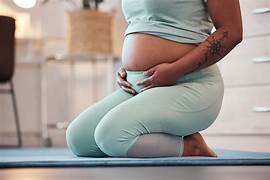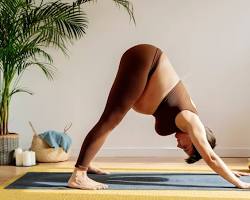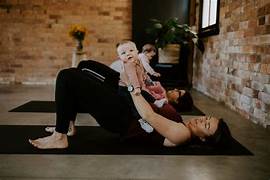
For a woman, birthing is a powerful and life-transforming moment; however, the postpartum (Fourth Trimester) experience can also be very challenging (expect many physical, emotional, and mental changes). For those interested in supporting recovery after childbirth, Postnatal Yoga Teacher Training India offers a specialised approach to guided healing. As women heal and recover from their pregnancy/birthing experience, there will be many changes taking place in their bodies. Thus, it is a period that needs gentle and guided healing.
As a way to support women’s health and rehabilitation during the postpartum stage, yoga has gained significant traction; consequently, increasing recognition of the specific needs of postpartum women has resulted in a demand for qualified practitioners to serve in this field.
Postnatal Yoga Teacher Training India allows instructors to gain a deeper understanding of their postpartum clients, assist them through the rehabilitation process, and enable them to reach optimal health. This article will discuss the importance of yoga as it relates to the rehabilitation of postpartum women, the components of postnatal yoga teacher training, and the role of yoga instructors in the rehabilitation of postpartum women.
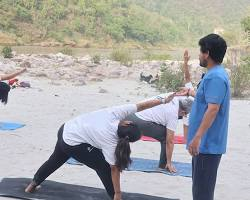
Postpartum Recovery Needs: Postnatal Yoga Teacher Training India
After giving birth, most women will go through a healing process as their bodies return to normal again. After being pregnant, muscles and ligaments are in a state of regeneration, and this takes time. If you’re a new mother, you may also have less strength in your core and have back pain (in addition to trouble sleeping since you’ve been caring for your newborn).
The instructors who provide postnatal yoga teacher training must have the knowledge that new mothers need. For example, new mothers will change their bodies due to diastasis recti (the separation of the abdominal muscles) or to weakness of the pelvic floor. It is also important for instructors to recognize how fluctuating hormones after childbirth impact the stability and flexibility of joints. As the mother’s body is still recovering and healing from the delivery, yoga in this stage is much more gentle and calming than it would be for a woman who had just completed a rigorous form of yoga.
In postpartum yoga, the majority of poses will include stretching, mindful breathing, and mindfulness to help reintegrate the new mother back into her body. The first goal of a Yogi practicing postpartum yoga is to strengthen her core muscles (i.e., abdominal muscles) after having been stretched and, in some cases, separated during the delivery process over the past nine months. The variety of poses and breathing techniques will reactivate her core muscles while also improving her general body posture to prevent future back issues.
A second significant component of the postpartum recovery process is increasing circulation and decreasing stiffness. Yoga will increase circulation and decrease stiffness through the execution of the movement. A new mother practicing yoga with a certified postpartum yoga instructor will gain many advantages from the practice of yoga.
Pelvic Floor Rehabilitation
During pregnancy and delivery, the pelvic area is one of the most affected regions. This group of muscles supports the organs in your body, such as the bladder, uterus, and intestines. When you deliver, your pelvic floor muscles stretch greatly, which can cause weakness in the muscles. If you do not rehabilitate these muscles properly after delivery, it may cause several problems.
One type of specialized Postnatal Yoga Teacher Training India program focuses extensively on rehabilitating the pelvic floor muscles. The instructors in this program will be able to provide mothers with some of the most common issues related to their pelvic floor muscles.
Breathing techniques are essential in the rehabilitation of the pelvic floor muscles. In this technique, the pelvic floor muscles are activated using breathing techniques, and this ensures the correct muscle engagement. In the postpartum yoga certification programs, the yoga teachers are able to learn how to effectively assist the mothers in the correct engagement of the muscles.
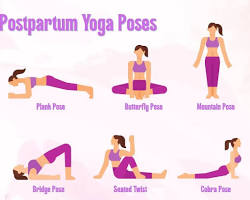
Certain yoga poses can also assist in the healing of the pelvic floor. Squats, bridges, and core stabilization exercises can assist in the strengthening of the pelvic floor muscles without causing too much strain on the body. However, it must be noted that these poses must be introduced slowly and must be performed in the correct manner.
Another aspect that is emphasized by yoga teachers is avoiding any exercises that could cause the pelvic floor muscles to weaken. High-impact exercises, deep twists, or intense abdominal exercises are usually not recommended, especially in the postpartum period. Instead, teachers encourage slow, low-impact exercises that strengthen the muscles safely.
Through the inclusion of pelvic floor rehabilitation exercises in yoga, postpartum women can regain confidence in their bodies, thus avoiding complications.
Emotional Health After Birth
Though physical healing is essential, emotional well-being is also equally important during this period. Emotional changes, hormonal changes, sleep deprivation, and the burden of caring for a baby are some factors that affect the mental well-being of a woman during this period.
Yoga is a place where a woman feels cared for and connected with herself, and it is a place where she feels free to release her emotions.
A well-designed Postnatal Yoga Teacher Training India course ensures that the yoga teacher knows how to provide a caring and non-judgmental space for a new mom, and the yoga practice is not just about the physical healing but also about the emotional healing.
Mindfulness techniques are also used in postpartum yoga sessions. In these techniques, mothers are encouraged to remain in the present, observe their thoughts, and practice self-compassion. For many mothers, this is a very effective way of coping with postpartum stress.
Community support is also a vital part of the emotional healing process. In postpartum yoga, mothers are able to get support from other mothers who are going through the same problems. In this way, mothers are able to feel a sense of belonging.
A Postnatal Yoga Teacher Training India certification is a qualification that a yoga instructor needs to have in order to help mothers with emotional problems. In this qualification, the instructor is able to identify the emotional problems faced by mothers and encourage them to seek help if the problems are severe. In this way, yoga is a holistic practice in postpartum healing.
Postnatal Yoga Teacher Training India Structure for Classes
When teaching postpartum yoga, one needs to plan and structure the classes well. This is because postpartum yoga classes are different from normal yoga classes. This is because, in postpartum yoga classes, one needs to focus on safety, progress, and individualized instruction.
When one is undertaking postnatal yoga teacher training, one is taught how to prepare classes according to the various stages of postpartum recovery. Normally, yoga practices are introduced after clearance from a medical doctor. This usually happens about six weeks after childbirth if the woman gave birth vaginally and slightly longer if she underwent a cesarean section.
When one is conducting postpartum yoga classes, one should start by teaching breathing exercises. This is because breathing exercises are useful in strengthening the core and bringing awareness to the body. Breathing exercises are useful in relaxing the body.
The next step usually involves slow and controlled stretches that ease tension in areas such as the neck, shoulders, and lower back. These areas tend to get strained from breastfeeding, carrying the baby, and sitting for long periods of time.
Following this, the instructor introduces simple exercises to strengthen the body. These exercises concentrate on rebuilding the core, stabilizing the pelvis, and improving posture. Although these exercises are about strength, they still require slow movements and correct alignment.
Another vital aspect of every postpartum class is relaxation and mindfulness. At the end of the class, guided relaxation, meditation, or breathing exercises help the mothers release tension and regain inner equilibrium.
A postpartum yoga certification program also trains the instructor on how to customize the class according to the post-recovery stage of the mothers. Some mothers might still be experiencing fatigue, while others might be ready to get a little more active.
The Growing Importance of Postnatal Yoga Teacher Training India
As the awareness of the importance of maternal health continues to increase, the need for qualified postpartum yoga instructors is rising globally. Hospitals, wellness centers, yoga centers, and maternity clinics are beginning to understand the value of specialized yoga programs for new mothers.
Completing a postnatal yoga teacher training program not only increases the skills of the yoga instructors, but they also have the opportunity to make a positive impact on the lives of new mothers. By conducting yoga sessions for new mothers, the instructors can help women rebuild their strength, confidence, and emotional strength.
A postpartum yoga certification also helps yoga instructors find new career opportunities. Some yoga instructors decide to conduct maternity wellness programs, private sessions for new mothers, or online yoga sessions for women at different locations.
Most importantly, the instructors become part of a supportive community that helps empower new mothers at one of the most vulnerable yet beautiful stages of their lives.
Conclusion
In the postpartum period, the focus is on healing, adjustment, and change. The postpartum period requires guidance and support for the new mom as she copes with the physical and emotional challenges of the postpartum period. Yoga is one way of achieving this, as it is a powerful way of healing the body, soothing the mind, and nurturing the emotions.
With specialized Postnatal Yoga Teacher Training India, the yoga teacher is equipped with the knowledge and skills necessary to support the postpartum mom in her recovery. This specialized training focuses on the significance of pelvic floor healing, yoga, and emotional healing. This way, the yoga teacher is certified in postpartum yoga and is capable of developing yoga classes for the postpartum mom.
Yoga for the postpartum mom is more than just physical movement. Yoga for the postpartum mom is about providing support and guidance to the postpartum mom as she reconnects with her body, rebuilds her strength, and reclaims her life as a mother.
FAQs
1. What is postnatal yoga teacher training?
It is a training program for yoga instructors who want to teach new mothers how to recover safely after giving birth to their babies.
2. Who can enroll in a postpartum yoga certification program?
The majority of the postpartum yoga certification programs are for yoga instructors, prenatal yoga instructors, fitness instructors, and medical professionals who want to specialize in the practice of yoga for new mothers.
3. When can mothers start practicing yoga after giving birth?
Mothers who want to practice yoga after giving birth should wait for at least six weeks if they gave birth vaginally and eight to ten weeks if they had a cesarean section, with medical clearance from a medical practitioner.
4. How does yoga help in the recovery of the postpartum woman?
Yoga helps in the recovery of the postpartum woman by helping her regain strength in the core muscles, strengthen the pelvic floor muscles, alleviate back pain, increase flexibility, and promote emotional health. Deep breathing techniques also help the woman relax and reduce stress levels.
5. Why is specialized training important for teaching postpartum yoga?
The postpartum woman is in a state of recovery, and her body is vulnerable to injury from yoga poses if the teacher is not trained to handle the needs of the postpartum woman. A certified postnatal yoga teacher training program is essential in helping the teacher understand the needs of the postpartum woman and assist her in her recovery journey.