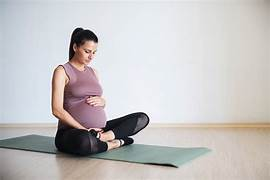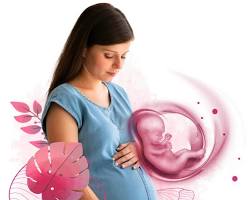
In recent years, Europe has experienced a paradigm shift in the way women approach pregnancy, childbirth, and post-pregnancy recovery. Today, more than ever, pregnant and new mothers are looking for holistic and evidence-based approaches that address physical and emotional needs. At the forefront of this revolution is the growth in Prenatal & Postnatal Yoga specialization as a new and rapidly growing career option: the prenatal yoga career Europe market.
From high-end yoga studios in Paris to maternity hospitals in Berlin and holistic centers in Barcelona, the demand for qualified professionals has never been greater. As the medical establishment continues to realize the importance of integrative medicine, yoga instructors who pursue postnatal yoga certification in Europe programs and women’s health yoga training are at the forefront of one of the fastest-growing sectors in the wellness industry.
This blog post will examine why the prenatal and postnatal yoga niche is exploding in Europe – and why now is the ideal time to launch a career in this revolutionary industry.

Rising Demand for Women’s Health Yoga
1. A Shift Toward Holistic Maternity Care
In Europe, there is a marked trend away from purely medicalized models of pregnancy towards more integrated, patient-focused approaches. Women are being made aware of their choices and are seeking complementary care to help with:
- Decreasing discomfort during pregnancy
- Enhancing pelvic support
- Learning about breathing for childbirth
- Recovery and mental health after childbirth
Yoga, when adapted specifically for the pregnancy and postpartum periods, will help with all of the above. In Germany and France, there is a rich tradition of midwifery, and prenatal yoga classes are often advised in conjunction with antenatal sessions. In Scandinavian countries like Sweden, comprehensive systems for holistic support of mothers are already in place, offering even more potential for qualified yoga therapists.
2. Increased Awareness of Pelvic Floor Health
Pelvic floor consciousness has emerged as a prominent topic in women’s health discourse. Postpartum rehabilitation, previously neglected, is now a concern in many European nations. Women’s health yoga training courses educate instructors on how to:
- Facilitate diastasis recti rehabilitation
- Demonstrate proper core rehabilitation
- Integrate pelvic floor-breathing coordination
Avoid chronic dysfunction
This information distinguishes prenatal and postnatal professionals from regular yoga instructors.
3. Mental Health & Community Support
Postnatal depression and anxiety are prominent topics in public health care systems throughout Europe. Gentle yoga classes incorporating breathing, safe exercise, and mother-baby interaction are increasingly sought after as preventive measures.
In large cities such as London and Amsterdam, yoga studios experience waiting lists for prenatal and ‘mum & baby’ yoga classes. Women are not seeking exercise alone; they are seeking connection and safe environments.
This societal trend is a direct driver for the growth of the prenatal yoga career Europe market.
Opportunities in Studios and Hospitals
One of the largest factors in the rapid growth of this area of specialization is the number of professional environments that are available.
1. Boutique Yoga Studios
Currently, many independent yoga studios offer:
- Prenatal-only classes
- Trimester-specific classes
- Postnatal recovery classes
- Baby-and-me yoga
The studios like to hire yoga instructors with accredited postnatal yoga certification Europe because teaching pregnant women requires a certain level of knowledge about safety. Liability issues cause the owners of the studios to look for certified specialists in the field, not just 200-hour instructors.
In cities like Copenhagen and Vienna, which are very health-conscious, women’s health yoga classes are often high-end classes, which raises the potential for income.
2. Partnerships with Midwives & Birth Centers
Prenatal yoga instructors are finding ways to work with:
- Independent midwives
- Doula collectives
- Birth education centers
- Lactation consultants
This collaborative approach is beneficial in that it improves referral relationships. If a midwife respects the training of a yoga instructor, she will be more likely to refer her clients to yoga classes.
In regions like the Netherlands, where home births and midwife-attended births are prevalent, this collaboration is particularly beneficial.
3. Hospital-Based Programs
The fact that maternity hospitals in Europe are incorporating prenatal yoga into their programs may be the best evidence that this is the fastest-growing niche market for yoga.
- Maternity hospitals in Europe are incorporating:
- Antenatal yoga workshops
- Breathing preparation for childbirth
- Postnatal recovery classes
In order for yoga instructors to teach in these settings, they must have approved training and insurance, making women’s health yoga training a necessity.
The inclusion of prenatal yoga in healthcare settings brings prenatal yoga instruction from the studio to a respected medical modality.
4. Online & Hybrid Programs
The post-pandemic transition to digital wellness has made a huge impact. Rural areas can now have access to:
- Live-stream prenatal classes
- On-demand trimester programs
- Postnatal recovery courses
This makes it possible for teachers to reach a global audience while still working locally, thus speeding up the development of a prenatal yoga career in Europe.

Insurance and Certification Acceptance
One major reason for rapid growth is improved professional recognition.
1. Higher Standards = Higher Trust
European students are discerning. They seek teachers who possess:
- Specialized prenatal education (beyond 200-hour YTT)
- Anatomy-based modules
- Pelvic floor education
- Accredited education
The growth of organized postnatal yoga certification programs in Europe ensures teachers can deliver on these requirements with confidence.
2. Insurance Accessibility
Professional indemnity insurance companies in Europe are increasingly acknowledging prenatal and postnatal yoga as valid areas of specialization, as long as the teacher has the necessary qualifications.
Teachers without certification may not be authorized to teach pregnant students. This is a legal and moral imperative that encourages teachers to pursue women’s health yoga certification, further fueling the growth of the industry.
3. Alignment with Healthcare Regulations
European nations tend to control complementary health care services more rigidly than other parts of the world. Certification guarantees that the services meet local requirements, especially in the following countries:
- Ireland
- Spain
- Switzerland
As a result of increased regulation, unqualified teachers leave the market, but qualified professionals flourish.
Financial Growth & Career Stability
1. Premium Pricing Potential
Expert classes have higher rates than general yoga classes. Clients see prenatal yoga as:
- Therapeutic
- Safety-oriented
- Expert-led
This enables teachers to charge a premium, especially for small group or private classes.
2. Repeat Client Lifecycle
Unlike general yoga clients, prenatal clients continue into:
- Postnatal recovery classes
- Baby yoga classes
- Women’s core restoration workshops
This provides a natural long-term client lifecycle, increasing financial stability.
3. Niche Authority & Branding
Specialization enables teachers to differentiate themselves in highly competitive yoga markets such as Madrid and Milan.
Rather than competing with hundreds of general yoga teachers, prenatal teachers establish themselves as experts in a specific, high-demand niche.
Cultural Trends Supporting Growth
Some general trends in Europe are also contributing to this career progression:
- Advances in maternal age and health awareness
- Rise in fertility services and IVF support groups
- Increased discussion about post-delivery recovery
- Government-supported initiatives for maternal health
These are not trends that are likely to reverse, making this prenatal yoga career in Europe trajectory a sustainable long-term choice.
Why Now Is the Best Time to Specialize
The market is growing, but in many areas, it is still underserved. Professionals who pursue the best postnatal yoga certification in Europe today will:
- Break into the market before it becomes saturated
- Develop referral networks early on
- Gain recognition in their local communities
- Tap into hospital and healthcare partnerships
The opportunity to be one of the first to enter this market is still available, but not for much longer.
Conclusion
Specialization in prenatal and postnatal yoga has grown from a niche service to one of the most promising wellness career paths in Europe. With the increasing demand for holistic maternity services, greater medical acceptance, better certification options, and increased insurance coverage, this career path provides not only a sense of fulfillment but also financial viability.
For yoga instructors looking for a fulfilling and future-proof career path, investing in women’s health yoga specialization is no longer an option but a smart choice.
With the European healthcare system increasingly open to integrative modalities, the prenatal yoga career path in Europe will only continue to flourish. Those who enter this specialization today will help shape the future of maternal health in Europe.
FAQ
1. Do I require any special teaching qualifications for prenatal yoga in Europe?
Yes. Most yoga studios, insurance companies, and hospitals demand a recognized postnatal yoga teaching qualification in Europe or prenatal yoga specialization beyond the standard 200-hour yoga teacher training course. Otherwise, insurance may not cover your classes.
2. Is prenatal yoga a financially viable, full-time career option in Europe?
Definitely. With high pricing, referral business from prenatal yoga students entering postnatal yoga classes, and the potential for full-time employment at yoga studios, hospitals, and online yoga sites, a full-time prenatal yoga career in Europe is definitely viable.
3. Can I teach prenatal yoga at hospitals after completing women’s health yoga training in Europe?
Yes, in most European nations, after completing your training and if your teaching credentials meet professional and insurance requirements, you can teach prenatal yoga at most hospitals, as they are now partnering with qualified prenatal yoga instructors for antenatal and postnatal yoga classes.
4. How long does it take to finish a postnatal yoga certification in Europe?
The length of the training varies, but most accredited women’s health yoga training courses are between 50 and 120 hours and can be finished in a matter of months.
5. Is this career path expanding throughout all of Europe?
The growth is especially prevalent in countries with well-established maternity care systems, such as the United Kingdom, Germany, France, and the Nordic countries, but it is also expanding throughout the continent as awareness of maternal health continues to grow.