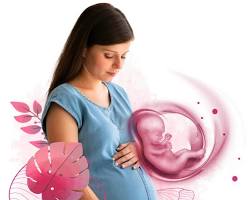
Though pregnancy can be a wonderful time of enormous change, it also presents unique challenges. One of the best ways for almost every woman to find some level of comfort and relief from pain and tension is by practising prenatal yoga. If you are interested in supporting women during pregnancy, enrolling in prenatal yoga teacher training can be an excellent step. Through regular practise, women can experience increased levels of relaxation, decreased levels of anxiety and stress, and greater overall health, all of which are imperative to have before the birth process begins. By world-class teachers, a growing number of prenatal yoga TTCs are being offered worldwide. Completing this education in prenatal yoga will build both your skill set and knowledge when working with women in their pregnancy journey. Here’s what you’ll learn in your prenatal yoga TTC.
Introduction to Prenatal Yoga Teacher Training
Pregnancy yoga (or prenatal yoga) supports the physical and emotional well-being of mothers-to-be, providing them with a positive way to experience their pregnancies. As a certified pregnancy yoga instructor, you will help mothers-to-be achieve healthy outcomes by providing them with an environment and instructions for practising pregnancy yoga. This course will teach you how to teach pregnancy yoga (theory and practice), so you understand the basis for the different areas of pregnancy yoga (e.g., postures) and how they are taught.
This content was created in October 2023. Any material created after that time cannot be reflected in this document.
By the end of the course, you will be able to teach pregnant women safely and provide a nurturing environment for them to practice yoga.
In this blog, we will discuss the essential elements of a pregnancy yoga training course and what you can expect from each section of the training as you work towards becoming certified.
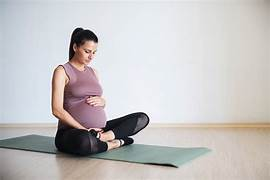
Anatomy for Pregnancy
For safe and effective prenatal yoga, it is important to understand how pregnancy impacts the anatomy of the body. Understanding how pregnancy impacts the anatomy of each pregnant woman will be required to develop safe and effective yoga classes for pregnant women.
This module will teach you how pregnancy changes the respiratory system, cardiovascular system, and musculoskeletal system. You will also learn the following:
1. Hormonal changes – the hormones relaxin, estrogen, and progesterone are responsible for the flexibility of the ligaments and joints; hence, extra caution must be taken when teaching postures to pregnant women.
2. Changes in posture – as the body changes throughout the course of a pregnancy, the pregnant woman may experience back pain, pelvic tilting, and other discomforts due to the change in posture. Understanding these changes will enable you to assist them with the appropriate modifications for correct alignment while doing yoga postures.
3. Breathing Exercises: Pregnancy affects both the diaphragm and the pelvic floor muscles. Pregnant women can benefit from practicing diaphragmatic breathing exercises to activate the pelvic floor muscles, reduce stress, and prepare for delivery.
4. Safety Issues: Some yoga poses should be avoided or modified for pregnant women (for example, those that compress the abdomen, back, or joints). You will be prepared with the information to identify these poses as well as to modify your teaching appropriately.
By having a thorough understanding of the human body, you can safely offer beneficial advice to your clients, helping them achieve their goals through the physical practice of yoga.
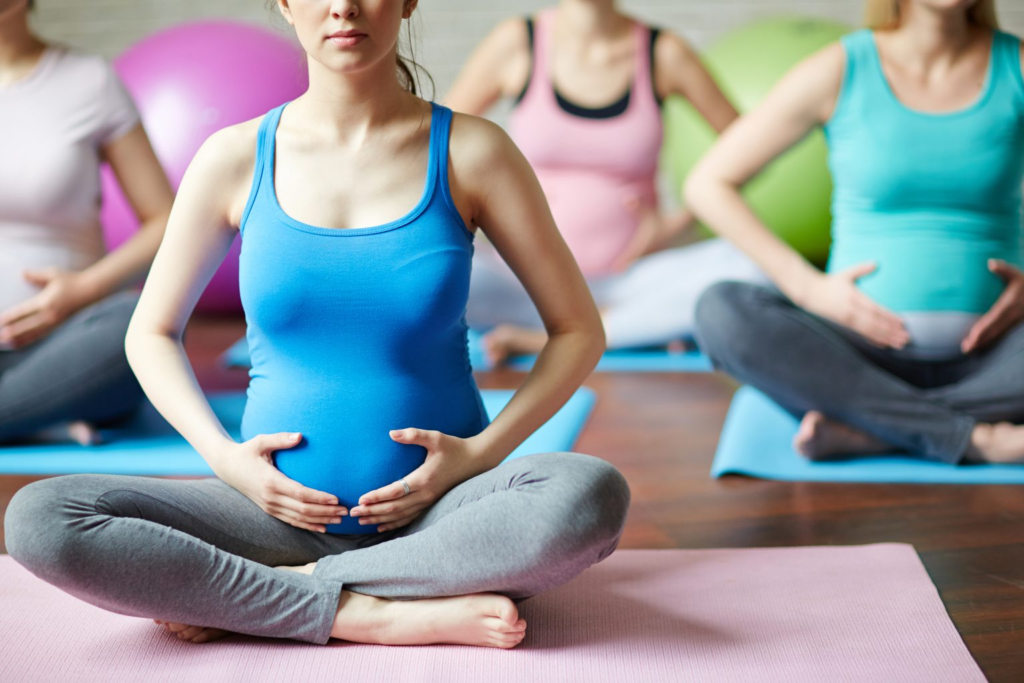
Trimester-Wise Practice
Pregnancy is divided into three trimesters, with each trimester having its own set of difficulties and physical changes. A large part of any prenatal yoga certification program will be learning how to create trimester-targeted yoga classes that are specific to the physical, emotional, and psychological needs of each trimester of pregnancy. Knowledge of trimester-targeted classes is vital for ensuring that the yoga poses and methods you are teaching are safe and beneficial for each trimester of the pregnancy.
1. First Trimester (0–12 Weeks)
The first trimester of pregnancy is usually characterized by symptoms such as fatigue, nausea, and hormonal imbalances. While it is important to keep the practice gentle and restorative during this period, it is also important to lay the groundwork for a more active practice in the coming trimesters. Some of the most important areas to focus on during the first trimester include:
Gentle Stretching: The emphasis is on relaxation and gentle stretching to relieve discomfort without straining.
Breathing Exercises: Breathing techniques for stress management, such as Ujjayi breathing and Nadi Shodhana (Alternate Nostril Breathing), are introduced to help with deep relaxation and focus.
Posture Alignment: As the body starts to adapt, techniques for proper spinal and pelvis alignment may help to alleviate discomfort in early pregnancy.
2. Second Trimester (13–26 Weeks)
This is usually the most comfortable time for most pregnant women, as their energy levels rise and morning sickness dissipates. During this stage, prenatal yoga can become more dynamic, focusing on building strength, flexibility, and balance.
Strengthening the Core and Pelvis: Strengthening core muscles through exercise, as well as pelvic floor exercises (Kegels), are incorporated into the practice to help the body cope with its demands.
Working the Lower Back: As the pregnant woman’s belly expands, the lower back starts to feel the effects. Yoga poses that focus on the hips, hamstrings, and lower back are essential in relieving discomfort.
Breathing for Labor Preparation: This stage is an ideal time to introduce more complex breathing techniques to prepare the body for childbirth.
3. Third Trimester (27–40 Weeks)
During the third trimester, comfort is the highest priority as the body readies for childbirth. Yoga during this period is all about relaxation, labor positioning, and enhancing mental focus.
Restorative Yoga Poses: These poses include Supta Baddha Konasana (reclined bound angle pose) or supported Savasana (corpse pose). These are intended to assist pregnant women in relaxing and reducing stress.
Hip Openers: These are essential hip stretches to prepare for childbirth and reduce tension.
Labor Preparation Methods: Methods like labor breathing, guided imagery, and labor positioning can also be taught during this period.
It is essential to understand these needs for each trimester as a basic requirement of your pregnancy yoga course curriculum to ensure that your students are properly challenged and cared for throughout.
Teaching Methodology in Prenatal Yoga Teacher Training
The prenatal yoga teaching approach focuses on providing a nurturing environment for mothers-to-be and teaching them effectively. Instructors will be trained in how to communicate effectively with pregnant students, manage group dynamics, and adapt to each student’s unique situation, as every pregnancy has its own challenges.
Key aspects of teaching methodology include:
Communicating Effectively: You will learn about ways to communicate effectively in order to create an atmosphere where your students feel safe and secure when practicing.
Creating an Environment of Safety: Women are faced with the issue of creating safe environments in which to express their concerns or feelings about their discomfort or trust.
Adjustments/Modifications: Because every woman will experience something unique during her pregnancy, you need to know how to modify your classes based on your students’ physical limitations, energy levels, and/or medical concerns.
Building Community: Prenatal classes are about more than just doing something physical. There is a community of women forming through these classes, and in teaching, you will learn how to foster a strong sense of community among pregnant students; this can provide an emotional/mental support network throughout their pregnancy journey.
This portion of your training will help you understand not only how to create your prenatal classes but also how to teach from a place of empathy, compassion, and listening, while making necessary adjustments based on each student.
Practicum Sessions for Prenatal Yoga Teacher Training
The practicum portion of a prenatal yoga teacher certification program consists of the practical application of the techniques that you have been taught to provide you with hands-on learning and practical experience. In your practicum classes, you will be able to teach prenatal yoga classes to other students.
As you experience the practicum component of your certification program, you will have the opportunity to:
Practice teaching to expectant students by developing confidence in your ability to provide instruction.
Learn how to modify your teaching based on each student’s current stage of pregnancy and how to adapt your approach based on each student’s physical and emotional state.
Get feedback from your instructors and from the other students in your practicum class to help improve the way that you deliver your instruction and refine how you present material.
The practicum is the best opportunity for you to develop your skills as a prenatal yoga instructor and the experience you need to be able teach safe and effective prenatal yoga classes.
Conclusion
If you want to learn how to teach yoga to pregnant women, a prenatal yoga teacher training (TTC) program provides you with the tools needed to do so. You’ll learn everything from how to teach pregnant women, to how to help pregnant women through the entire pregnancy. This is the best way to become a successful teacher of prenatal yoga.
In addition to the skills you’ll acquire to help pregnant women learn about yoga, you’ll gain the compassion and intuition needed to help them navigate this significant experience. If you are someone who wants to assist others as they navigate through one of their greatest transitions, this training is a great way to get started.
FAQ
1) What do I need to join a prenatal yoga TTC?
Most prenatal yoga TTC’s require that applicants have at least a basic knowledge of yoga (200 hour TTC program), and it is helpful if you have already been practicing yoga yourself as well as teaching it.
2. Can beginner teachers take prenatal yoga teacher training?
Yes, to an extent – as newer teachers, you can be brought up to an advanced level through most courses.
3. How long does prenatal yoga teacher training last?
Generally, depending on whether you’re in a full-time or part-time program, full-time prenatal yoga teacher training lasts from about 4 to 6 weeks, while it could also take months if you’re doing part-time teacher training. There are also many online prenatal yoga teacher training options available.
4. Will I be able to teach prenatal yoga after taking a yoga teacher training program?
After participation in any of the teacher training programs, you will be certified to teach prenatal yoga and are allowed to do so. However, you may need additional certifications or insurance, depending on where you are teaching.
5. What types of post-certification support can I expect?
Many prenatal yoga instructor training programs offer ongoing support and resources to their graduates through mentoring, the ability to connect with other prenatal yoga instructors, and/or access to a community.