Coming in several forms, yoga is an old tradition. Every type of yoga appeals to every type of yogati, whether it be the enthusiastic flow of Vinyasa or the tough flexibility demanded of Ashtanga, including Yin Yoga, which has gained in popularity for those interested in it due to how slowly paced, long-held stretches are, plus the emphasis on relaxing while doing them. Many question the benefits of Yin Yoga because of these characteristics, and so many hope to find answers on this subject. Some doubters, meanwhile, wonder if Yin Yoga is really beneficial or if it is merely a waste of time.
In this blog post, we will thoroughly examine Yin Yoga, its advantages, and why some people believe it may not be the most effective use of time. You will know by the end if Yin Yoga is worthwhile or if it’s just another yoga fad that doesn’t provide actual outcomes.
What is Yin Yoga?
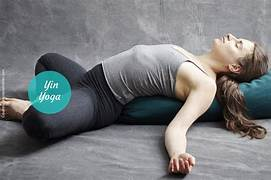
Yin Yoga involves holding poses for longer than usual (3 to 5 minutes) with a focus on flexibility and joint mobility, rather than strength or energy output, as most other forms of yoga do. The goal is to stretch deeper into the connective tissues, or fascia, that make up the joints and ligaments; this greatly increases your range of motion over time due to the increased flexibility of the connective tissues that surround your joints. Many yoga techniques concentrate on the muscles and outside framework of the body; Yin Yoga lets practitioners go deeply into their interior, usually neglected, tissues. Chinese medicine, where Yin Yoga is connected to the idea of Chi or vital life force, provides the underlying philosophy for this exercise. To let energy travel more freely throughout the body, Yin Yoga demands that postures be kept in a relaxed condition.
The Benefits of Yin Yoga
Let’s first examine the possible advantages of Yin Yoga before we consider whether it is a waste of time. These are some of the main benefits practitioners claim:
1. Increased Flexibility and Joint Mobility
Everyone has their own way of practicing and experiencing Yin Yoga, but because of its emphasis on long-holding postures targeted towards the connective tissues, those who practice Yin Yoga will gain incredible flexibility over time. For instance, holding postures like the Butterfly and Sphinx for several minutes allows time to stretch and lengthen not only the muscle tissue, but also the fascia and tendon tissues as well. Many older adults, or individuals with injuries or restrictions in their range of motion due to being sedentary, can greatly benefit from practicing Yin Yoga.
2. Decreased Stress and Anxiety
While many practitioners of Yin Yoga think of it as a form of meditation, the extended holds and deep-breathing practices found in Yin Yoga encourage the practitioner to focus on their breathing as well as help them become more aware of themselves and their environment. A number of research studies have shown that doing exercises that incorporate deep breathing and slow, controlled movements like Yin Yoga will activate the body’s parasympathetic nervous system, which leads to a reduction in stress and anxiety levels.
After completing a session of Yin Yoga, many practitioners report feeling very relaxed and centred. Therefore, Yin Yoga is a great practice for those individuals who would like to create a balance between the hectic pace of their daily activities and quiet, peaceful practices.
3. Enhanced Circulation
Because Yin Yoga targets the fascia and connective tissues intensely, it aids in enhancing bodily blood flow. Holding a pose for a longer time activates blood circulation to underused regions, including the hips, shoulders, and backbone. This enhanced circulation can aid in keeping general joint health as well as quicken wound healing.
4. Improved Posture
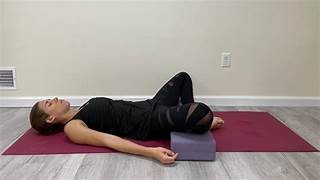
Yin Yoga can help posture by enhancing the body’s structural base and boosting connective tissue flexibility. Many of the positions employed in Yin Yoga, including the Reclining Butterfly or Dragon Pose, open the hips and spine, hence relieving tension often linked with bad posture, such as the shoulders and lower back.
5. Deepens Mind-Body Connection
Because Yin Yoga stresses stillness and presence, it promotes a closer connection between the body and mind. The meditative quality of the exercise enables practitioners to more closely relate to their feelings and bodies. This increased awareness could help one to be more aware and understand oneself better in everyday life.
Is Yin Yoga a Waste of Time?
Let’s now address the main question: Is Yin Yoga a waste of time?
1. Slow Results Can Be Frustrating
For some, the leisurely rhythm of Yin Yoga can feel aggravating, particularly in contrast with more energetic and physically demanding yoga techniques such as Vinyasa or Ashtanga. Because Yin Yoga stresses holding postures for extended durations, it can take longer to see obvious physical changes like greater flexibility or improved muscular tone.
Some people anticipate fast results from any type of physical activity or fitness program; if they don’t notice immediate changes, they may get depressed and decide the time commitment is not justified. Yin Yoga might not provide the quick results you want if you are someone who favors more intense exercises or is mostly concerned with developing strength or muscle tone.
2. Not Ideal for Everyone
Another element to bear in mind is that Yin Yoga might not be appropriate for everyone, especially those with particular diseases or injuries. Because Yin calls for deep stretching and extended posture, those with weak joints or underlying medical issues might find the activity unpleasant or even hazardous. For instance, those with hip or knee problems could find difficulty in some of the postures.
In such situations, pay attention to your body and collaborate with a qualified instructor who can adjust the workout to match your needs. It may be preferable to talk with a medical professional before starting a Yin Yoga program if you are unfamiliar with yoga or have particular physical restrictions.
3. It’s Not a Full-Body Workout
Unlike more energetic yoga techniques or other types of exercise like weight lifting or running, Yin Yoga does not offer a complete-body workout. Although it’s good for boosting joint health and flexibility, it doesn’t give as much emphasis on strength training as other methods do. Yin Yoga may be too passive for those wanting to create muscle or get a heart-pumping exercise.
Combining Yin Yoga with other exercises like weightlifting or Vinyasa might fit better for people looking for a more demanding or strength-oriented workout. Yin can be an excellent addition to an energetic exercise program, but if strength training is your main aim, it’s unlikely to be the only exercise you require.
4. Absence of instant gratification
Often searching instant gratification in our hectic society. Right away, we want to see results. Yin Yoga, on the other hand, stresses patience and long-term outcomes. You won’t have the same sense of achievement as you would following a short stretch session or a high-intensity exercise. Consequently, some practitioners may struggle to remain with Yin Yoga over time.
If you may commit to the practice and show up frequently, though, this is where the actual beauty of Yin Yoga is—your physical and mental well-being will begin to show incremental but substantial benefits. The deliberate, meditative approach shows you how to be kind to yourself, which can be an important lesson in today’s instant-gratification society.
Conclusion
Then, should Yin Yoga be considered a waste of time? The response will depend on the goals of your yoga sessions. Yin Yoga might not be the best option if you’re looking for a strenuous workout or quick, noticeable results. Its purpose is not to increase cardio or produce muscle mass. But Yin Yoga may be a great complement to your program if you’re seeking a practice that encourages relaxation, lowers stress, enhances flexibility, and strengthens your mind-body connection.
In the end, Yin Yoga provides something unique from more conventional or vigorous types of exercise. Cultivating patience, awareness, and long-lasting advantages for both the body and mind, this technique helps one to grow. It’s a worthwhile investment in your general well-being rather than a time sink.
FAQ
1. Is Yin Yoga a good beginner’s option?
Beginners can find Yin Yoga to be a wonderful exercise, especially those unfamiliar to yoga or looking to investigate a softer kind. Beginners can start slow and progressively advance to more difficult positions since it is a non-competitive exercise in which you listen to your body.
2. Yin Yoga: How frequently should I train?
Most people will benefit from Yin Yoga 2-3 times a week. It’s a mild approach; therefore, daily practice is not required. Combining it with more energetic kinds of exercise, though, yields a well-rounded fitness regimen.
3. Is Yin yoga good for back pain?
Yes, especially by focusing on the hips, backbone, and lower back muscles, Yin Yoga can help to alleviate back pain. Reclining Butterfly and Sphinx postures aid in stretching and expanding these regions, hence releasing tension and boosting flexibility.
4. How long should I keep each Yin Yoga stance?
Though this can change depending on the person and the particular position, in Yin Yoga, postures are often held for three to five minutes. The aim is to remain in the position long enough to enable your body to release tension and stretch the ligaments.
5. Can I perform Yin Yoga with other forms of activity?
Definitely! Many times, yin yoga is considered a supplementary exercise to more intense or strength-oriented types of training. Many athletes and fitness buffs practice Yin Yoga to increase flexibility and help with post-heavy exercise recovery.