Hormonal imbalance has quietly become one of the most common wellness challenges for women today. Fatigue that doesn’t go away, stubborn weight around the waist, mood swings, anxiety, irregular periods, low energy, sleepless nights, and PCOS symptoms often point toward an endocrine system that is struggling to stay in harmony.
This guide brings together the most effective yoga practices for hormonal balance, how they work, and a simple daily routine you can follow at home perfect for women dealing with PCOS, perimenopause, menopause, thyroid concerns, adrenal fatigue, or general stress-related imbalances.
What Is Hormonal Imbalance and Why Does It Happen?
Hormones guide almost every function in your body, including mood, energy, sleep, metabolism, immunity, appetite, and reproductive health. When glands like the thyroid, ovaries, adrenals, and pancreas become overactive or underactive, the entire system is affected.
Signs of hormonal imbalance may include:
- Low energy or chronic fatigue
- Irregular menstrual cycles
- PCOS or fertility challenges
- Anxiety, irritability, mood swings
- Weight gain, especially around the abdomen
- Hair fall or acne
- Hot flashes or perimenopausal changes
- Sleep issues or restlessness
Common causes include unmanaged stress, lack of physical activity, poor sleep, processed foods, environmental toxins, and insulin resistance. Yoga helps regulate many of these root causes at once and yoga to improve sexual intimacy.
1. Bridge Pose (Setu Bandhasana)
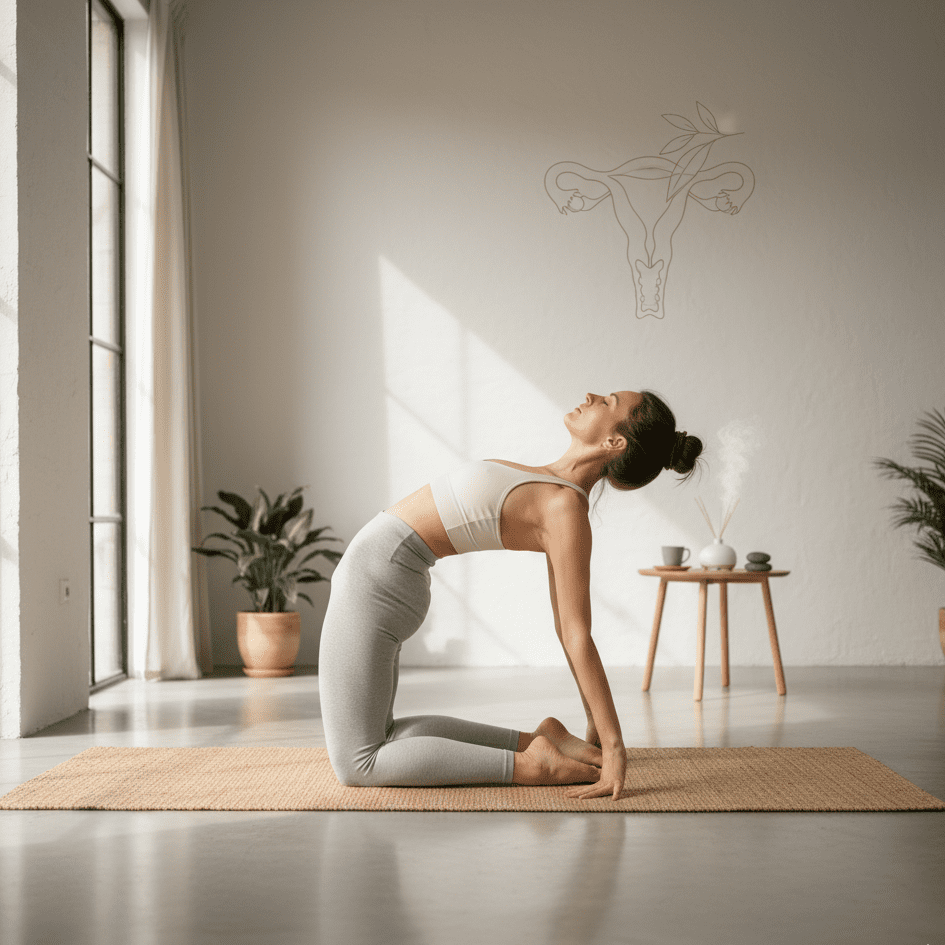
Bridge Pose feels like a gentle lift for your heart and hormones. It opens the chest, lengthens the spine, and stimulates the thyroid gland located at the base of your neck. When the chest expands and your breath begins to deepen, your nervous system moves into a calmer state. This reduces anxiety, steadies your mood, and improves metabolic balance.
How to practice:
Lie on your back, bend your knees, place your feet hip-width apart, and slowly raise your hips. Hold for eight to ten slow breaths.
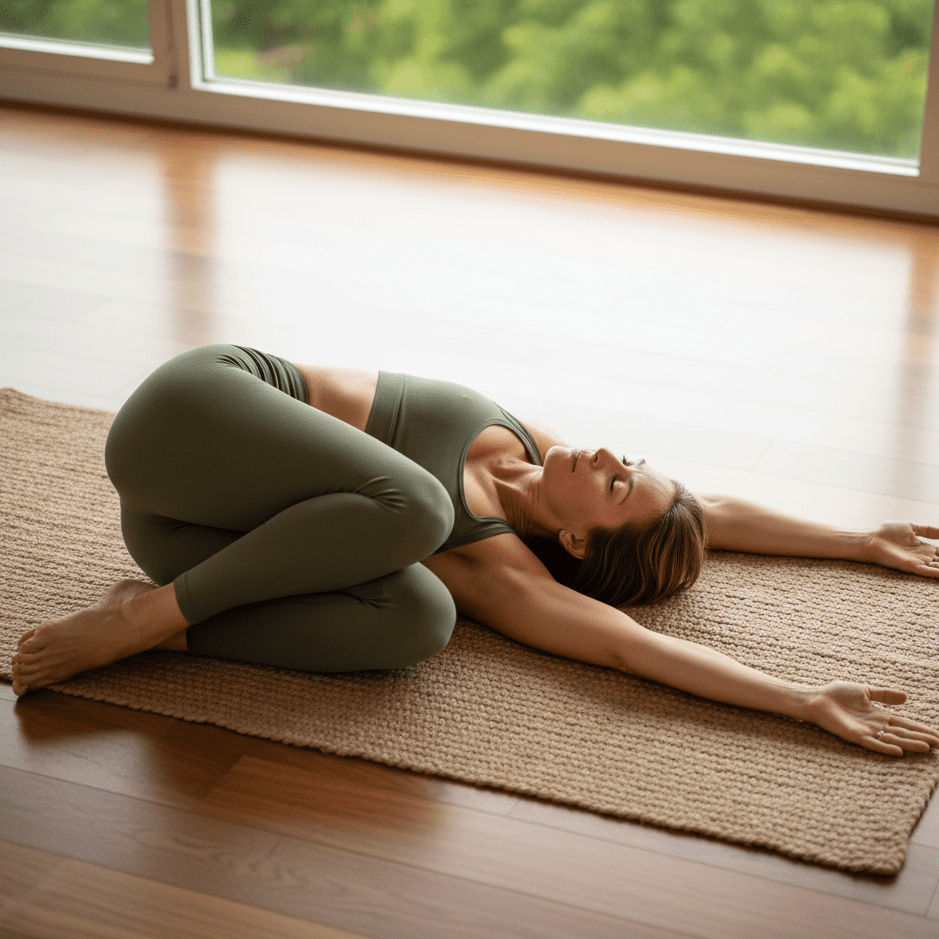
2. Reclined Bound Angle Pose (Supta Baddha Konasana)

This pose creates a quiet, nurturing space for the body. The gentle opening of the hips helps release tension stored in the pelvic region, supporting menstrual health, easing PMS discomfort, and calming the nervous system. Many women describe it as a pose that makes their whole body sigh with relief.
How to practice:
Lie on your back, bring the soles of the feet together, and allow the knees to fall outward. Support the knees with cushions and rest for several minutes.
3. Legs-Up-the-Wall Pose (Viparita Karani)
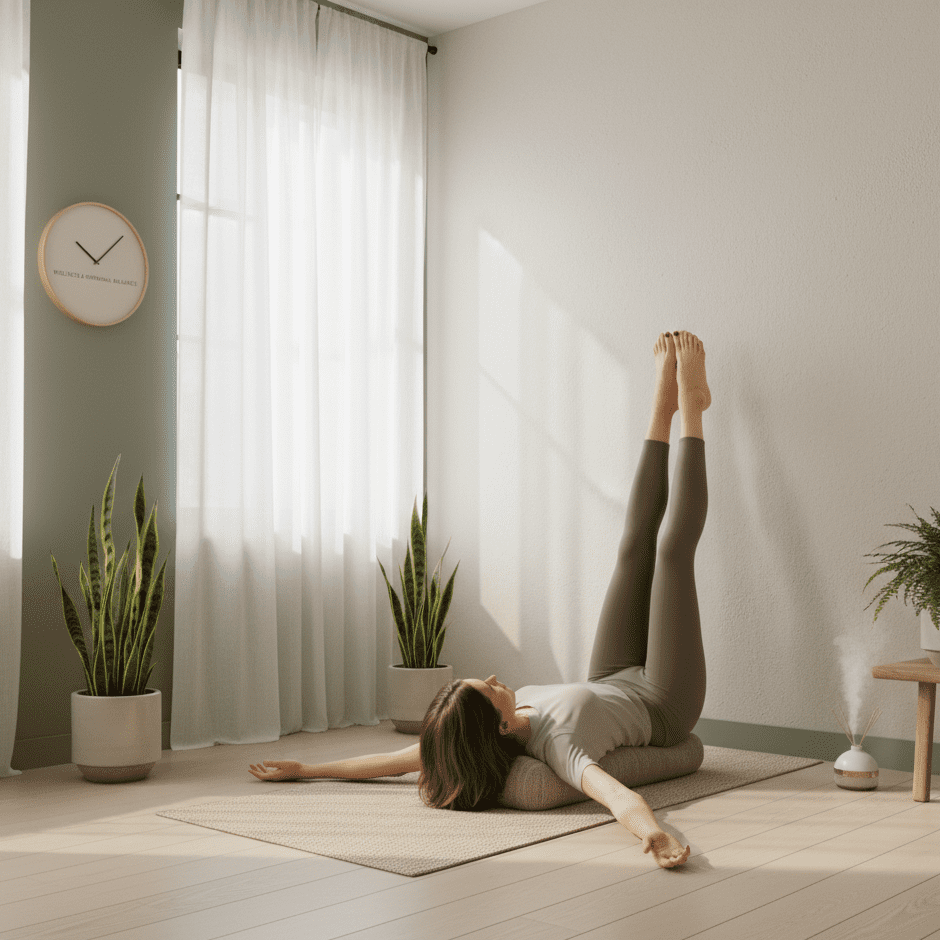
One of the most restorative and hormone-balancing poses, Legs-Up-the-Wall allows fresh blood to return to the core of your body, supporting the thyroid, adrenals and reproductive organs. It quiets the mind almost instantly and helps regulate sleep patterns, making it ideal for women experiencing stress, anxiety, or insomnia.
How to practice:
Sit beside a wall, roll onto your back, and extend your legs upward. Relax here for five to fifteen minutes.
If you feel inspired to deepen your understanding of yoga beyond personal practice, exploring a Yoga Teacher Training in India can help you learn the philosophy and techniques that support long-term hormonal balance.
4. Seated Forward Fold (Paschimottanasana)
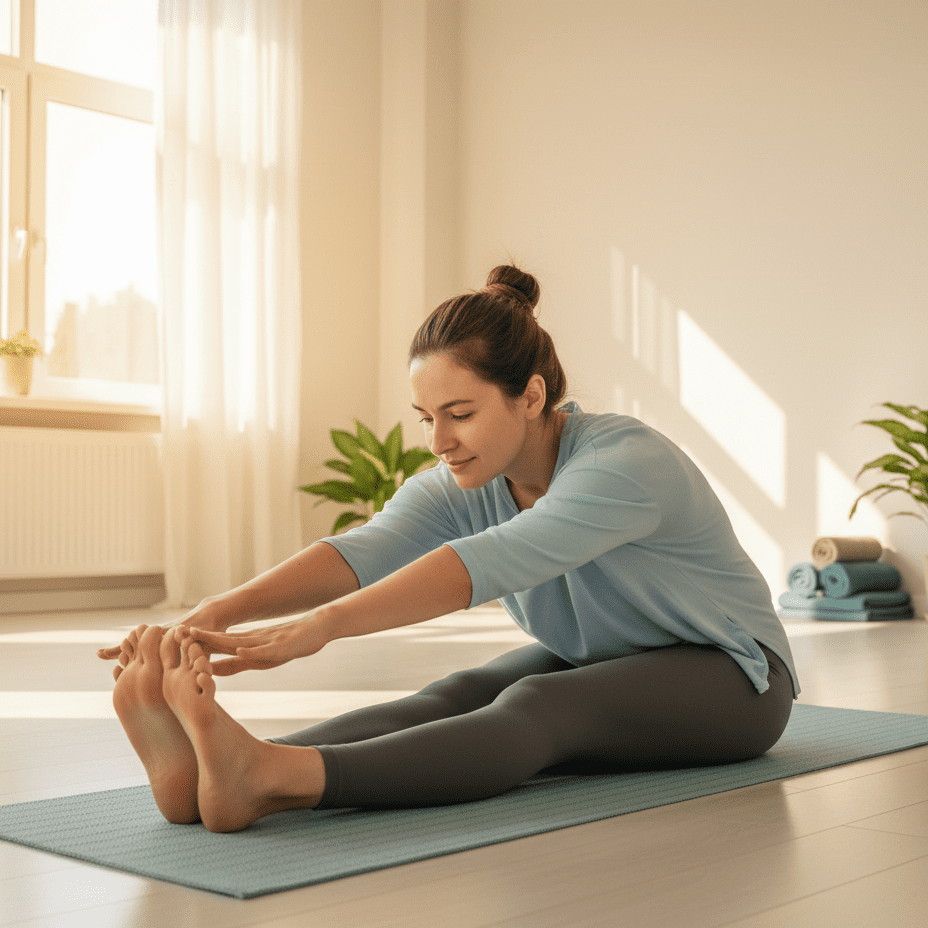
This gentle forward fold promotes calmness, reduces mental fatigue, and stimulates the parasympathetic nervous system. The light compression on the abdomen supports digestion and assists the body in processing hormones more efficiently. It is especially soothing for women dealing with high cortisol or emotional stress.
How to practice:
Sit with both legs extended, inhale to lengthen your spine, and exhale into a soft forward fold. Hold for ten breaths.
5. Cat–Cow Flow (Marjaryasana–Bitilasana)
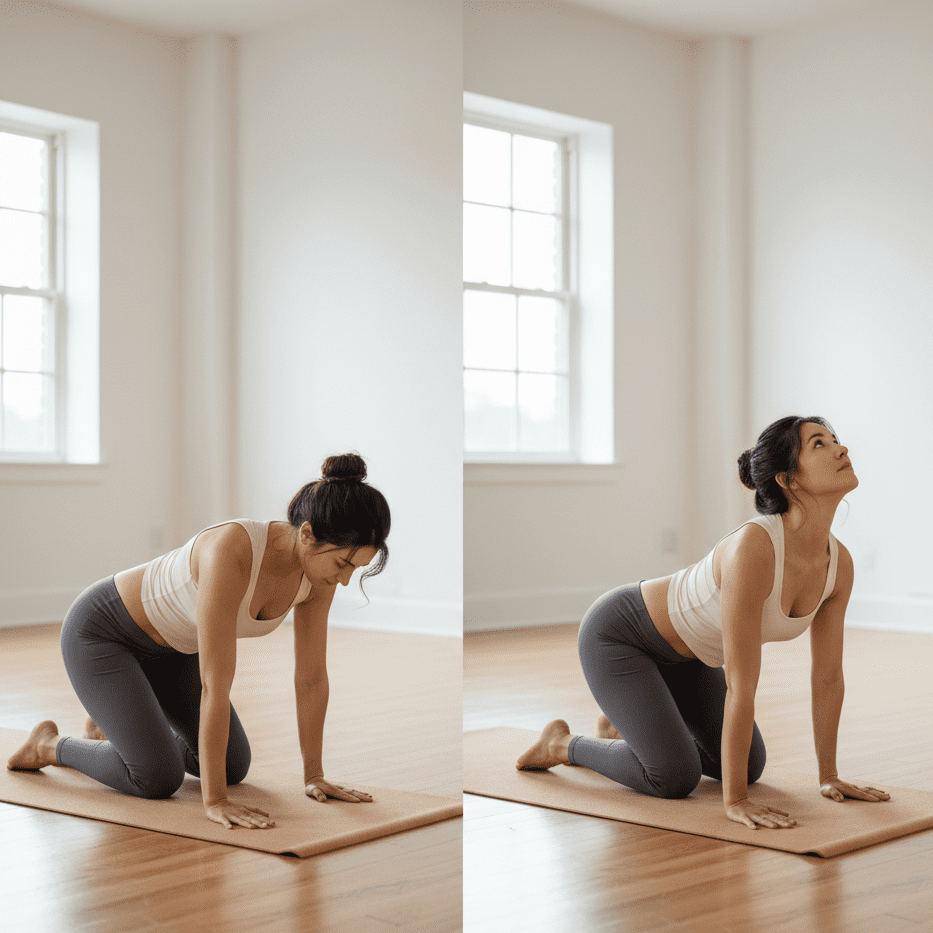
This slow, rhythmic spinal movement helps release tension around the torso and lower back while gently massaging the adrenal glands. The movement coordinates breath with motion, allowing stress to melt away while improving the health of the nervous system.
How to practice:
Start on your hands and knees. As you inhale, arch your back for Cow Pose. As you exhale, round your spine for Cat Pose. Repeat for one to two minutes.
6. Cobra Pose (Bhujangasana)
Cobra Pose awakens the front body and improves circulation through the abdomen and chest. It stimulates the adrenal glands, supports energy production, and counters the fatigue that often accompanies hormonal imbalance. Practiced gently, it also builds emotional resilience and uplifts the mood.
How to practice:
Lie on your stomach, place your hands near your rib cage, and lift your chest upward. Keep your gaze soft and hold for five breaths.
Many practitioners also combine relaxation poses with sound healing therapies to deepen the nervous system reset and improve hormonal recovery.
7. Malasana (Yogic Squat)
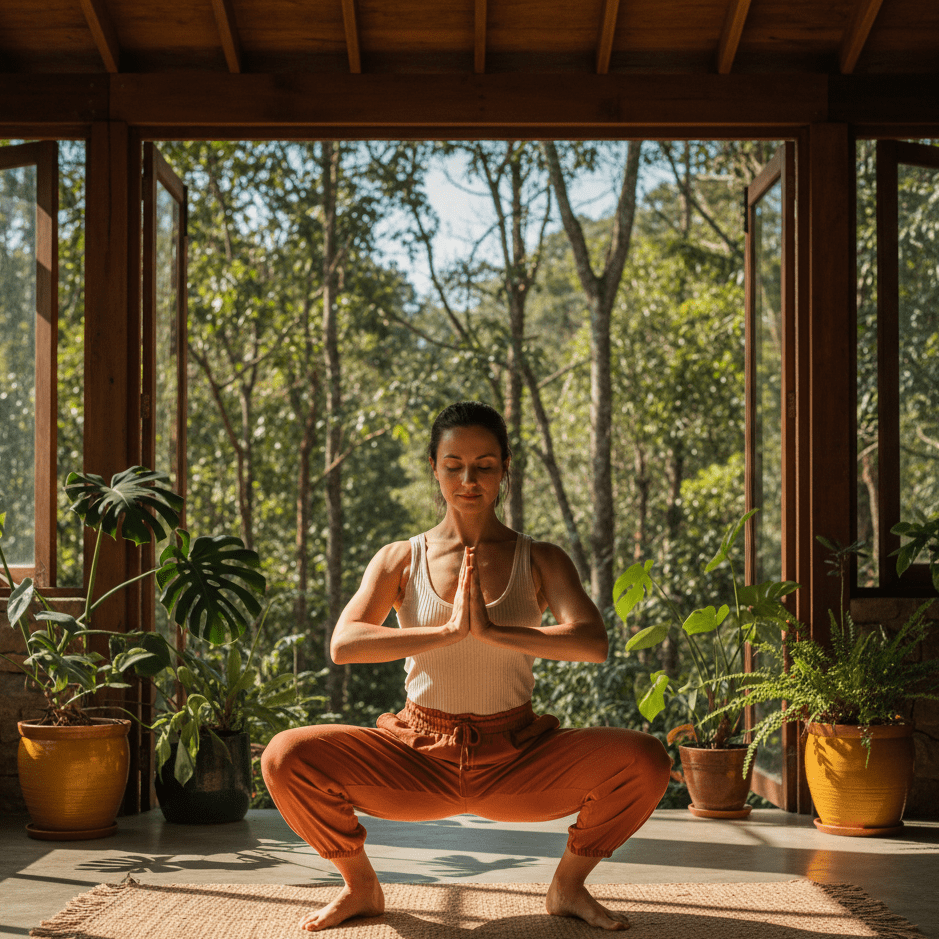
This grounding pose strengthens and opens the pelvic region, improving circulation to the uterus, ovaries, and lower abdominal organs. Malasana is especially helpful for women with PCOS, irregular periods, menstrual cramps, or digestive stagnation.
How to practice:
Squat with your feet slightly wider than your hips. Bring your palms together at your chest and lengthen your spine. Stay for thirty to sixty seconds.
8. Fish Pose (Matsyasana)
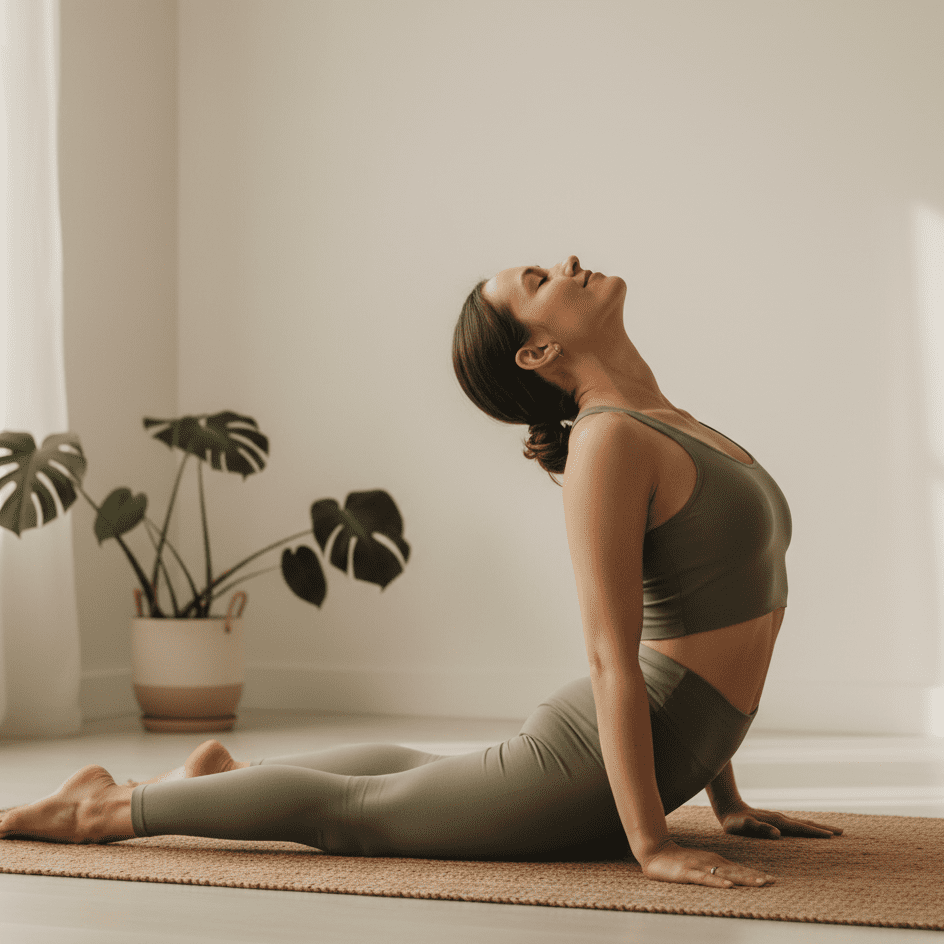
Fish Pose opens the heart, throat, and chest, helping stimulate the thyroid and thymus glands. It improves emotional balance, supports immunity, and counteracts the slouching posture many women adopt during stressful times.
How to practice:
Lie on your back, slide your hands under your hips, gently lift your chest, and rest the crown of your head lightly on the floor. Hold for five deep breaths.
9. Savasana (Corpse Pose)
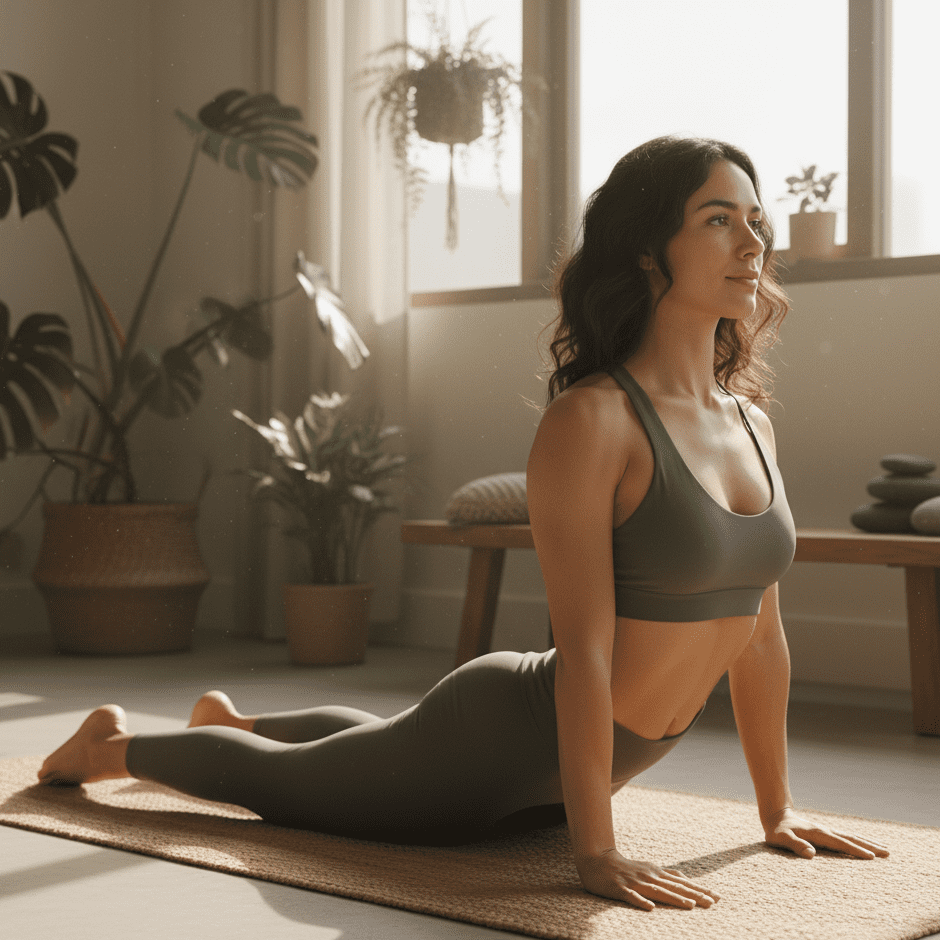
pose for hormonal healing. When the body sinks into deep rest, cortisol levels drop, melatonin rises, and the nervous system reorganises itself into a healthier rhythm. It is the moment where your entire practice integrates and leaves long-lasting hormonal benefits.
How to practice:
Lie comfortably on your back, soften the shoulders and jaw, and relax completely. Stay for seven to ten minutes.
10. Alternate Nostril Breathing (Nadi Shodhana)
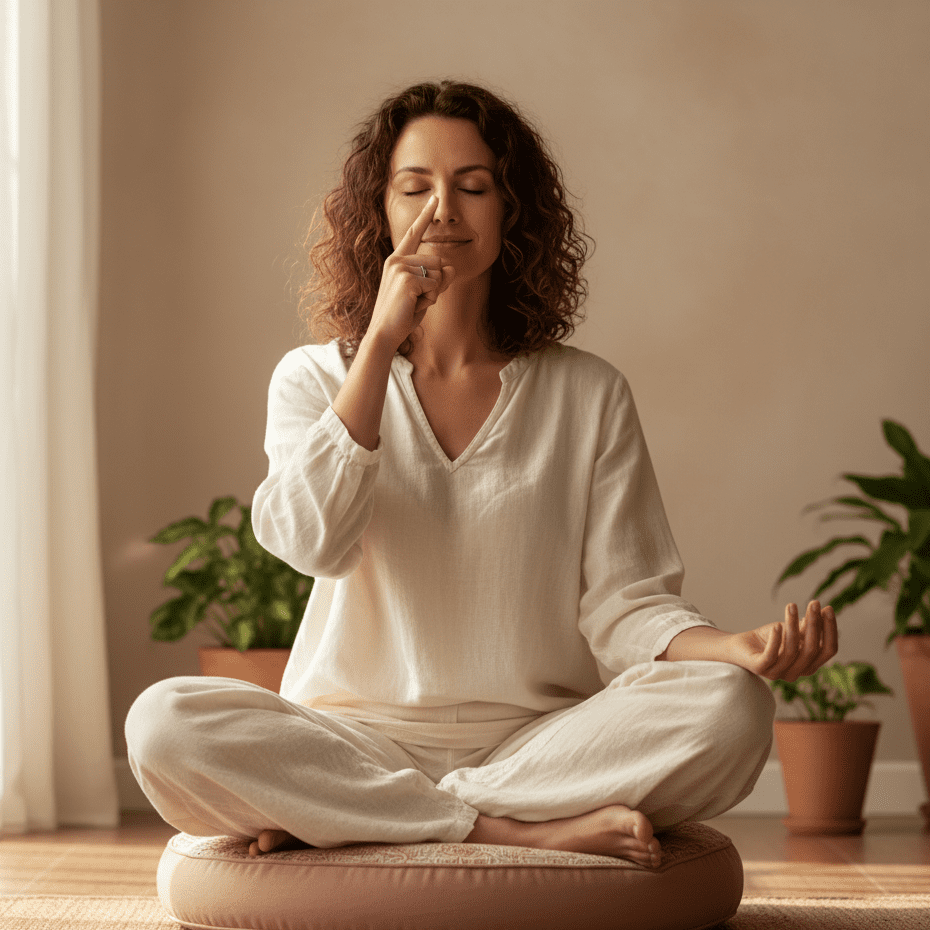
This balancing breathwork technique harmonises the left and right sides of the brain, calms the mind, and supports steadier hormone levels. It is especially effective for women experiencing anxiety, irritability, or disturbed sleep.
How to practice:
Close your right nostril and inhale through the left. Switch, exhale through the right, and continue the pattern gently for five to ten minutes.
Your Hormonal Healing Begins with Gentle Awareness
Your body is always doing its best to maintain balance. With regular yoga practice, mindful breathing, and small lifestyle adjustments, you can support your endocrine system and return to a state of clarity, energy, and emotional harmony.
Yoga is not about perfection. It is about awareness, consistency, and giving your body the opportunity to heal. Even a few minutes a day can shift your hormones in a meaningful way.
If you wish to deepen your practice and explore holistic wellness at a deeper level, visit Oceanic Yoga and discover programs designed to support your physical and hormonal health.
FAQs
1. Can yoga really help balance hormones naturally?
Yes. Yoga helps regulate hormones by lowering cortisol, improving blood flow to endocrine glands, supporting thyroid and adrenal function, and calming the nervous system. Consistent practice reduces stress-related imbalances and supports steadier menstrual cycles, mood, sleep, and metabolism over time.
2. How long does it take to see hormonal changes from yoga?
Most women begin noticing improvements within 2–6 weeks of regular practice, especially in sleep quality, mood, and energy levels. Deeper benefits—such as more stable cycles, reduced PMS, and improved PCOS symptoms—usually appear with long-term consistency and lifestyle support.
3. Which yoga poses are best for PCOS, PMS, or irregular periods?
Restorative poses like Reclined Bound Angle, Malasana, Legs-Up-the-Wall, and gentle forward folds are highly effective. They boost circulation in the pelvic region, reduce inflammation, ease cramps, and support ovarian and adrenal balance. Practicing these poses daily can help regulate cycles naturally.