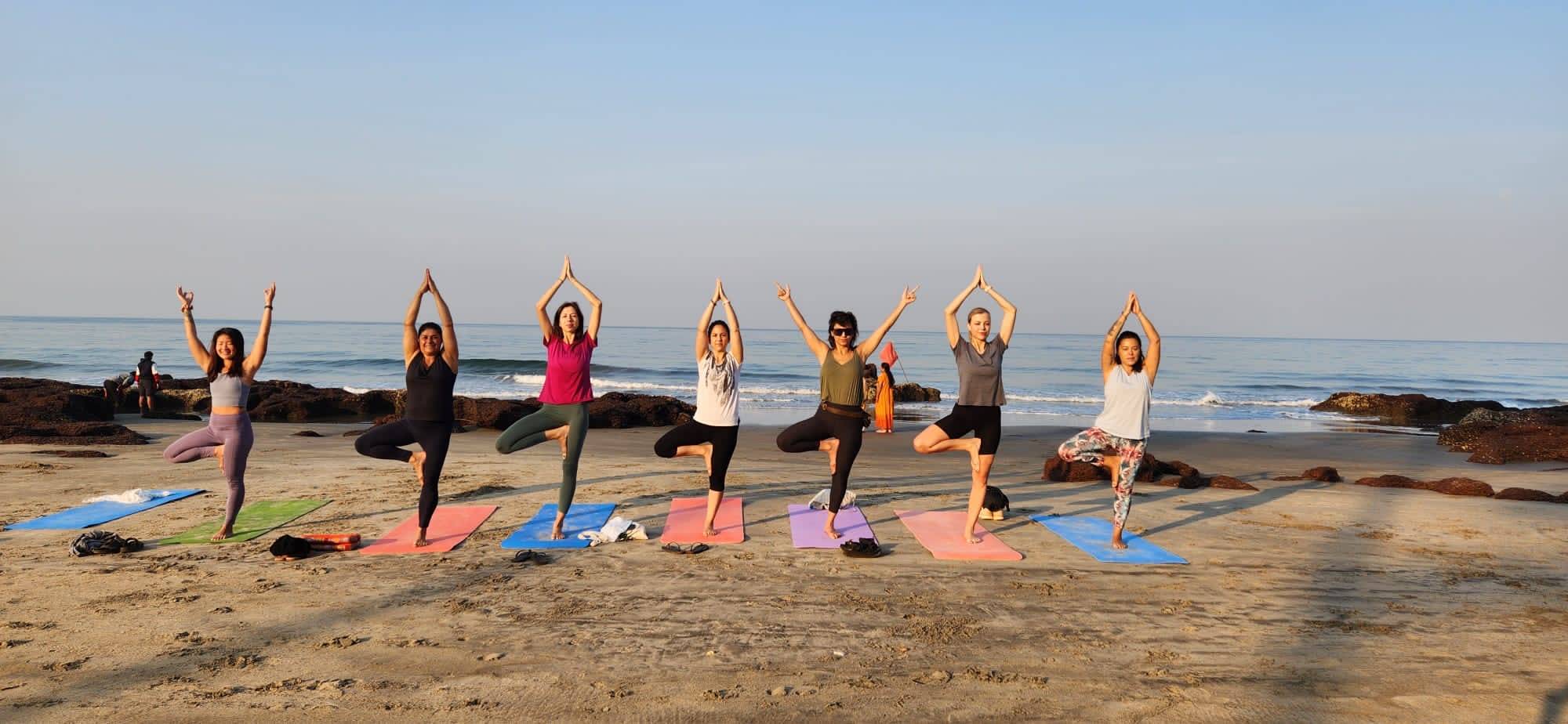
Yoga is more than just an old technique; it’s a way of life that helps to improve physical, mental, and spiritual well-being. Many would-be yoga teachers start their path to becoming certified instructors with training in yoga’s birthplace, India. After completing their training, they often look forward to teaching yoga back home.
Once you have finished your yoga teacher training in India, the most difficult step is how to turn that knowledge into a prosperous yoga career back home, especially in Europe. Covering practical measures for registering as a yoga instructor, establishing a student base, and comprehending the legal ramifications of teaching yoga in the EU, this blog is meant to assist you in smoothly negotiating that change.
Step 1: Certification and Accreditation – Verifying Your Credentials
Your certification must be in order before you start yoga training back home. Most of the students who complete yoga teacher training in India receive a credential accepted by global organizations such as Yoga Alliance, one of the most widely respected accreditation agencies. Having an accredited certificate can help increase your credibility and establish rapport with prospective students, as becoming a yoga teacher in the EU demands an accredited certificate.
1.1 Yoga Alliance Registration
Should you have finished your training under a Yoga Alliance-accredited registered institution in India, you are eligible for their Registered Yoga Teacher (RYT) certification. This certification, a globally respected standard, can be quite helpful in creating credibility in Europe.
- Present the specifics of your training.
- Offer proof of your finished hours.
- Pay the registration fee.
Adding RYT after your name once you are registered boosts your students’ confidence in your credentials. Furthermore, being a member of the Yoga Alliance network lets you be featured in their online directory, hence increasing the ease with which potential students might find you.
1.2 Local Recognition of Your Training
Although Yoga Alliance is a globally accepted organization, every European country may have unique regulations governing the registration of yoga teachers. While nations like the UK and Germany boast vibrant yoga scenes but may not always demand official national certifications for yoga instructors, for instance. Registering with local organizations such the British Wheel of Yoga (UK) or the Deutscher Yogaverband (Germany) can, however, improve your reputation and guarantee that your accreditation is acknowledged locally.
1.3 Continuing Education and Specializations
You could specialize in particular fields—like prenatal yoga, yoga therapy, or kids’ yoga—once you have been recognized as a certified yoga teacher. Regular learning is a fantastic approach to hone your teaching skills and improve your attraction to a larger spectrum of students. Many European nations provide additional certifications that complement your original education.
Step 2: Legal Basics of Teaching Yoga in Europe
Knowing the legal demands of teaching yoga in Europe is vital to guarantee that you satisfy local laws. Although these standards can differ significantly from nation to nation, there are some major aspects to keep in mind:
2.1 Business Registration and Insurance
You will have to register as a freelancer or small business owner if you intend to run yoga classes as a profession. Most European nations provide simple routes for freelancers, including getting a tax identification number and signing up for social security and medical benefits. Furthermore, it is strongly advised to have professional indemnity insurance, as it shields you from responsibility should a student be hurt during lessons.
2.2 Contracts and Payments
Having precise agreements with your pupils and any studios you collaborate with is really vital once you start teaching. Contracts should specify class cancellation policies, payment schedules, and any other crucial features of your teaching contract. In many European countries, taxes are deducted from your income; so, it is important to know how to invoice your customers and track your income.
2.3 Health and Safety Regulations
Teaching yoga in Europe depends critically on health and safety rules. Every country has its own set of rules for fitness instructors, which may include maintaining up-to-date first-aid training or being aware of particular health restrictions when dealing with special populations such as the elderly or those with wounds. Before beginning your courses, be sure you know these criteria.
Step 3: Building a Student Base
Starting a yoga profession has among the most thrilling yet difficult parts: growing a student base. You will stand out in a cutthroat market with word of mouth, regular branding, and providing meaningful experiences.
3.1 Define Your Niche
Yoga has grown to be a well-known activity in several regions of Europe. With so many teachers around, it is imperative to discover a way to stand apart. Do you concentrate on a particular demographic, such as pregnant women, older people, or athletes? Defining a niche lets you focus on particular groups who would gain the most from your courses. Are you an expert in Hatha yoga, Vinyasa flow, restorative techniques, or meditation?
You can also focus on yoga therapy, providing individualized sessions for patients with injuries or mental health issues, including anxiety or stress. A clearly specified niche makes you unique and draws a devoted audience of like-minded pupils.
3.2 Utilize Social Media and Online Platforms
Social media is among the most efficient means to establish a student base in Europe. From workout videos to lifestyle advice, yoga instructors often use Instagram, Facebook, and YouTube to distribute material. Offering free value—say, brief yoga lessons or mindfulness ideas—might help you to draw prospective students to your full-length classes.
Apart from social media, yoga teachers can post their courses and draw fresh students on websites like Oceanic Yoga. Providing an online course choice will help you reach out to foreign students or those unable to attend face-to-face even more.
3.3 Networking with Other Yoga Teachers
Another vital first step in career development is establishing relationships inside the regional yoga community. Meet other teachers, studio owners, and possibly students by attending yoga festivals, workshops, and local events. Collaborating on workshops or community events, several yoga instructors in Europe can help you increase your exposure.
Step 4: Teaching in Studios vs. Going Independent
You will have to choose whether to teach independently or at an already established studio once your certification, legal compliance, and student base have been verified.
4.1 Teaching in Yoga Studios
Particularly if you are new to teaching, starting at a yoga studio can be a great approach to get exposure and experience. Many schools provide a ready-made student base; most European yoga studios are always on the lookout for competent teachers. Teaching at a studio lets you concentrate only on the teaching component; the studio manages the marketing, accommodations, and payment logistics.
Teaching at a studio, however, usually entails a fixed salary or hourly rate with little influence on your course schedule or pricing if you’re trying for a flexible schedule or want to maximize your income.
4.2 Going Independent
Going independent, on the other hand, gives you more control over your profession. You may offer private sessions, decide your prices, and compile your own class schedule. You will probably need to rent space or provide online classes as an independent teacher. Although this method demands more effort on the corporate front (marketing, setting up payments, etc.), it also gives you more freedom and higher earning potential.
Step 5: Enhancing Your Yoga Career in Europe
Think of these methods to expand and better your yoga training back home as your yoga career takes off:
5.1 Continue Your Education
Ongoing yoga education enables you to expand your knowledge and keep current on the newest wellness sector trends. Many nations in Europe provide sophisticated teacher training courses, retreats, and certifications in subjects like anatomy, yoga therapy, and Ayurveda.
5.2 Create Online Courses
Developing online courses or yoga content (e.g., meditation, yoga for beginners) can be a fantastic means to spread your knowledge outside of your region. Many teachers now supplement their income by providing pre-recorded sessions or subscriber-based content, as the online yoga scene has exploded in size recently.
5.3 Collaborate and Lead Workshops
Working together with other educators or conducting classes also broadens your reach. Workshops are a fantastic way to give more in-depth instruction in fields like philosophy, pranayama, or alignment methods. Working with other experts or organizing events will help you to get visibility and establish credibility in the yoga industry.

Conclusion
Beginning a yoga career following Indian instruction might seem challenging, but these sensible actions will help you to ease the change and make it more rewarding. Whether you are teaching in a studio or going independent, remember that building a profitable yoga career takes time, patience, and commitment. With the correct certifications, a strong grasp of local legislation, a committed student base, and a constant attitude to personal development, you may become a well-regarded yoga instructor in Europe by combining your yoga training back home.
Take the first step right away by beginning your study, networking, and connecting with the yoga community back home if you’re ready to actualize your dream of teaching yoga. The planet of yoga awaits you!