 Skip to main content Skip to footer
The process of pregnancy is transformational, as far as the physical changes, emotions, and mental health concerns are involved. Pregnancy is when many females find yoga a helpful resource to cope better with the experience. For this reason, exploring an evidence-based prenatal yoga practice can be especially beneficial for expectant mothers. Teaching pregnant women yoga poses presents different challenges compared to conducting regular yoga classes. Thus, a yoga instructor needs special training to be prepared.
A yoga instructor can significantly benefit pregnant ladies in alleviating common pain and aches, improving posture, promoting relaxation, and developing the mind-body link. However, the lack of awareness of prenatal safety may cause discomfort or more serious negative outcomes. For this reason, a yoga instructor needs to know how to teach at each stage of pregnancy.
The present blog will explore the issue of the safety of yoga during pregnancy, as well as highlight important aspects that any yoga teacher should keep in mind to be effective in their work.
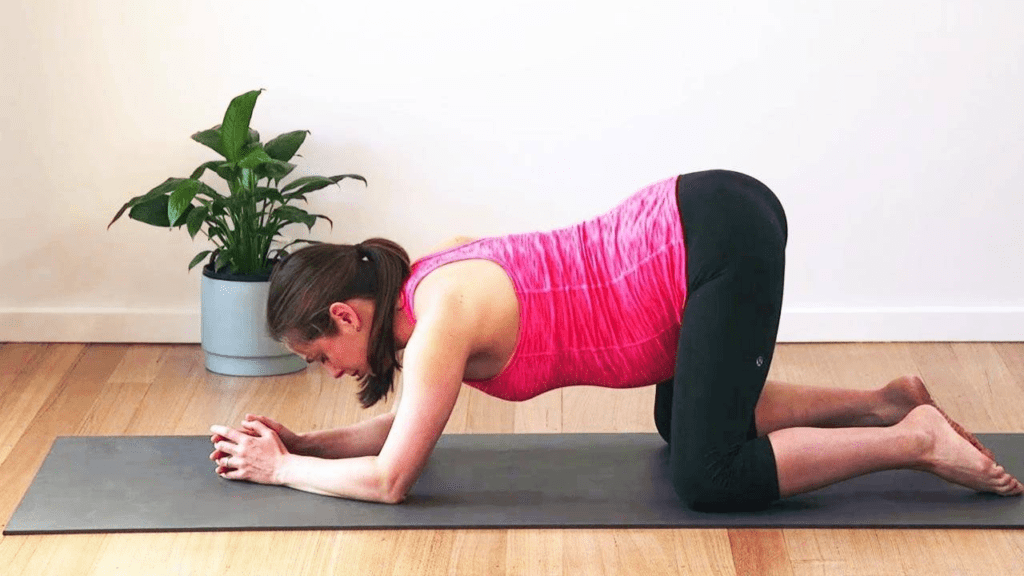
Understanding the Pregnant Body
Before exploring specific practices, instructors need to know about the changes in physiology that take place during pregnancy. The changes in physiology determine the way yoga is to be taught.
The hormonal changes occurring during pregnancy, such as the rise in relaxin hormones, make the ligaments more flexible. This helps to prepare the body for childbirth but leaves room for injuries. Besides, the enlargement of the uterus displaces the center of gravity.
- The other typical changes include:
- Blood volume increases
- The heart beats faster
- Pressure on the pelvis and lower back region
- Reduced lung function
These considerations should guide an instructor while teaching pregnant women yoga.
General Safety Guidelines for Prenatal Yoga
- Encourage Medical Clearance
Students should always be reminded that it is best to check with their physician before beginning yoga when pregnant, especially for high-risk pregnancies.
2. Avoid Overexertion
Pregnant women should never attempt to challenge themselves to extremes. It is recommended that they practice at about 60-70% of their maximum level. The “talking test” can be used here to ensure that they can still carry on a conversation during the process.
3. Focus on Breath Awareness
The breathing process should flow naturally and smoothly. Breath-holding (Kumbhaka) can restrict oxygen intake to the unborn child.
4. Stay Hydrated and Cool
Becoming overheated during pregnancy can be dangerous. The training area should have adequate ventilation and lots of fluid intake.
5. Use Props Generously
Props like blocks, bolsters, blankets, and chairs offer additional support and stability.
Trimester-Specific Considerations
First Trimester (Weeks 1–12)
These signs include fatigue, nausea, and hormonal changes. Although there may not be visible signs of change, there are important developments happening internally.
Teaching tips:
- Maintain gentle and grounding movements
- Do not incorporate vigorous twists and abdominal strengthening
- Pay attention to energy; give opportunities to relax more often
Second Trimester (Weeks 13–27)
There will be a rise in energy levels, but the expanding tummy starts to affect balance and flexibility.
Teaching tips:
- Do not lie flat on your back for an extended period of time
- Incorporate wider leg stances for steadiness
- Stress the hip opening and pelvic floor muscles
- Utilize modifications for balancing postures using walls or chairs
Third Trimester (Weeks 28–40)
Now is the time to concentrate on comfort, relaxation, and preparation for labor.
Teaching tips:
- Choose restorative postures
- Focus on relaxation and breathing exercises
- Do not put any stress on your stomach
- Move slowly and steadily between postures
Poses to Avoid or Modify
There are certain asanas in yoga that should be avoided by pregnant women.
Avoid:
- Seated spinal twists, which apply pressure on the belly
- Strong backbends, which stretch abdominal muscles too much
- Inversion poses (unless the student is experienced in this pose)
- Reclining poses (especially those done on the back)
- Abdominal strengthening asanas
Modify:
- Forward bends: The stance should be widened
- Spinal twists: Do not do closed spinal twists
- Backbends: Do them gently
Safe and Beneficial Practices
Pregnancy yoga can be extremely advantageous when done carefully. The following tips will enable instructors to emphasize postures and methods that ensure physical and psychological benefits.
1. Gentle Stretching
This technique eases the stiffness felt in the back, hip joints, and shoulders.
2. Pelvic Floor Awareness
It is critical to build and relax the pelvic floor muscles to prepare the body for giving birth and recovery.
3. Breathing Techniques (Pranayama)
These techniques encourage breathing deeply and slowly to calm the mind. Diaphragmatic and alternate nostril breath without retention can be helpful.
4. Relaxation and Meditation
Meditation ensures that expectant mothers experience less anxiety and sleep well. Visualization can help them psychologically prepare for delivery.
The Role of Communication
Communication needs to be clear and caring in prenatal yoga. Each pregnancy experience is different, which means instructors should make sure students pay attention to their bodies and express any discomforts.
Ask questions such as:
“How do you feel today?”
“Do you have any uncomfortable spots today?”
“Have your doctor prescribed any particular things?”
It is equally important for participants to feel valued and heard as well as for the actual physical activity during prenatal yoga classes.
Creating a Supportive Environment
The prenatal yoga classes must have an atmosphere of tranquility and support for the participants. Teachers can facilitate the process by:
- Using positive words and tone;
- Being flexible in terms of participation in class;
- Allowing participants to rest;
- Not pushing students and making comparisons with others.
Common Mistakes Teachers Should Avoid
However, even seasoned yoga teachers can err in their transition to prenatal yoga instruction. These errors often include the following:
- Treat pregnant practitioners similarly to ordinary practitioners with slight adaptations
- Fail to consider trimester-specific needs
- Promote intense stretches because of enhanced elasticity
- Neglect indications of pain or exhaustion
- Refuse to offer options for certain poses
- Constant learning and vigilance will help avoid such errors.
Importance of Prenatal Yoga Training
Although yoga certification offers a solid base, prenatal yoga teaching necessitates further certification. Through prenatal yoga training, teachers gain:
- Knowledge of reproductive system anatomy and physiology
- Sequencing techniques that ensure safety
- Contraindications and precautions
- Methods for addressing psychological well-being
Such certification not only guarantees high-quality instruction but also prioritizes the health and safety of students.

Conclusion
It is a big responsibility to conduct yoga classes for pregnant women, but at the same time, this is a great honor for the teacher. It allows helping women during the most important period of their lives. But teaching yoga for pregnant women means not only knowing yoga techniques and rules. The teacher should be aware of all these changes and be able to take them into account.
Knowing specific peculiarities of pregnancy, observing the safety principles, and creating a positive atmosphere in the class will allow yoga instructors to bring much benefit to their students.
In this way, a teacher can teach his/her student to embrace changes, feel their body, and build internal resources during the whole pregnancy period.
FAQs
1. Can all pregnant women take part in yoga?
Most pregnant women can engage in yoga classes, provided they consult a physician first in case of high-risk pregnancies.
2. If I am pregnant and have no previous yoga practice, is it acceptable to join a yoga class now?
It is possible, but only after consulting your doctor and joining a prenatal class specifically for beginners.
3. How many times should I perform yoga during my pregnancy?
Two to three times per week would be beneficial, but it depends on your overall health.
4. Is performing inversion postures prohibited for pregnant students?
Inversion postures are forbidden in prenatal yoga, although they can be permitted to experienced practitioners with approval from a doctor.
5. If a pregnant student feels dizzy, what is the course of action?
The student should sit/lie down at once, relax, and report the condition to the instructor.
6. Will prenatal yoga help me to prepare for birth?
Breathing, awareness, and relaxation exercises will surely contribute to an easier birthing process.
7. Do you need to adapt classes to the specific trimester?
Certainly, since the physical and psychological requirements for each trimester differ.
