 Skip to main content Skip to footer
Pregnancy generally has a significant impact on a person’s life, both physically, mentally, and spiritually. In preparation for having their child, many future mothers use a variety of techniques to prepare themselves both physically and mentally for the birth process. One highly recommended option is Prenatal Yoga for Labor Preparation, as it is specifically designed for expectant mothers.
Unlike traditional exercise programs, prenatal yoga is based on movement and breathing, and combines these two practices into a unified practice that supports your body and mind while giving birth naturally. If you are looking for ways to avoid using medications to give birth to your child, ways to use controlled breathing and relaxation techniques to lessen the pain of labor, or simply want to develop a deeper connection to yourself as a new mother and your child, prenatal yoga is the perfect option.
The purpose of this article is to share with you the many benefits that Prenatal Yoga for Labor Preparation can bring to your experience of preparing for a natural childbirth.
1. Builds Strength and Endurance for Labor
Labor can be likened to a marathon; it entails strength, stamina, and resilience. Prenatal yoga provides an easy way of building up these attributes.
Benefits:
- Pelvic muscle strengthening is important during the birthing process
- Core stabilization for a bigger belly
- Leg strengthening for birthing positions, like squats
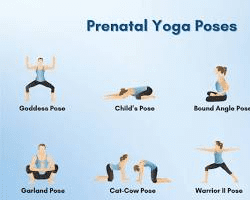
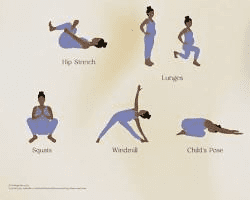
Pregnancy yoga exercises like squats (Malasana), cat and cow poses, and modified lunges help a woman prepare for the strain that accompanies birthing. Gradually, the exercises increase endurance, especially for long durations of labor.
2. Enhances Flexibility and Opens the Pelvis
Flexibility is key in giving birth, particularly in the hips and pelvic area. Yoga exercises done before giving birth will help the body loosen up.
How It Helps:
- Improve the flexibility of the hips
- Promote ideal fetal alignment
- Relieve stiffness and pain
Yoga poses such as butterfly and hip circles promote flexibility in the pelvic area.
3. Teaches Breath Control for Pain Management
Among the best techniques that can be applied during natural birth is controlled breathing. Conscious breathing techniques are given a lot of attention in Prenatal Yoga for Labor Preparation. Breathing helps to reduce pain, maintain focus, ensures proper oxygen supply to the mother and fetus
4. Reduces Stress and Anxiety
Anxiety and fear can negatively affect labor as it increases the stress level within the body of the mother. Prenatal yoga involves techniques that enable the mother to feel relaxed and focused.
Psychological Benefits:
- Reduces cortisol levels
- Provides a sense of empowerment and control
- Fosters positive thoughts about giving birth
Mindfulness practices like guided visualization and meditation enable mothers to mentally practice a stress-free labor experience.
5. Improves Body Awareness and Connection
Prenatal Yoga for Labor Preparation helps women develop a deep bond with themselves as well as their baby.
Why It Matters:
- Enables the identification of early stages of labor
- Promotes intuition during delivery
- Instills faith in the body’s natural process of delivering a child
This enables women to act according to what is happening within their bodies.
6. Encourages Optimal Baby Positioning
There are specific prenatal yoga poses that help direct the baby into the right birthing position, which is usually head down and facing the mother’s back.
Effective Poses:
- Pelvic tilts
- Cat-Cow pose
- Forward-leaning poses
These include:
Preventing potential birthing problems
- Reducing labor time
- Avoiding any interventions needed during childbirth
7. Promotes Relaxation and Better Sleep
Getting good sleep may be difficult when pregnant, particularly during the third trimester. Prenatal yoga offers relaxation practices that enhance sleep.
Examples:
- Stretching before bedtime
- Yoga Nidra practice
- Breathing exercises
Good sleep helps one maintain high energy levels and a calm state, both essential for birthing preparations.
8. Supports Posture and Reduces Pregnancy Discomfort
With age, the body changes, resulting in poor posture that causes back pain, hip problems, and exhaustion. Yoga during pregnancy allows one to keep the right posture.
Advantages:
- Lessens lower back pain
- Alleviates joint pain
- Enhances stability and balance
The right posture will help keep your body in good condition.
9. Prepares the Mind for Natural Birth
Pregnancy requires not only physical but also mental preparedness for natural delivery. Prenatal Yoga for Labor Preparation makes the mind strong enough to withstand stress.
Mental Training Entails:
- Accepting the pain without fear
- Focusing on each contraction
- Releasing the need for control
These factors will make the childbirth process easier and more enjoyable.
10. Builds a Supportive Community
Enrolling in a Prenatal Yoga for Labor Preparation program frequently leads to meeting other mothers-to-be who are going through the same experience.
Community Benefits:
- Psychological support and sharing common experiences
- Decreased sense of loneliness
- Provision of expert advice by the trainers
It is very comforting, particularly for first-time mothers.
Safety Tips for Practicing Prenatal Yoga for Labor Preparation
Although prenatal yoga is safe for most women, some precautions need to be followed:
- Ask your doctor about it before beginning the classes
- Do not attempt deep twisting postures, strong backbends, and lying down flat on the spine after the first trimester
- Keep yourself well-hydrated and avoid overheating during practice
- Be sensitive towards your body’s needs and avoid overexertion
A certified prenatal yoga instructor will provide you with safe modifications according to the stage of pregnancy.
Conclusion
Prenatal yoga is much more than merely an exercise; it is a comprehensive practice designed to physically, mentally, and spiritually prepare the body for a natural birth process. It allows women to become stronger and more flexible, learn to breathe, and alleviate stress, which is essential for a smooth and successful birthing experience.
Every woman’s pregnancy is unique, and prenatal yoga can neither promise nor guarantee a certain type of birth. It is, however, an excellent tool to facilitate and make ready one’s transition into parenthood.
FAQ
1. When can I begin prenatal yoga?
You may do so in the first trimester if your doctor recommends it.
2. Is prenatal yoga safe for any pregnancy?
Pregnant women who have risk factors for complications are advised to speak with their doctors before engaging in prenatal yoga.
3. How often should one practice prenatal yoga?
A twice-a-week or four-times-a-week routine works great for most pregnant women. Daily prenatal yoga in shorter bouts is helpful too.
4. Does prenatal yoga relieve birth pains?
It won’t make labor pain go away, but it will teach you ways to cope better with it, such as breathing exercises.
5. Do I need any previous yoga knowledge?
Definitely not. You don’t even have to be a beginner—you can practice at your level.
6. What clothes should I wear to prenatal yoga?
Loose and comfy clothes would suffice. Preferably something breathable.
7. Will prenatal yoga benefit me after delivery?
Sure, because yoga is known to build core muscles and improve posture and mood.
