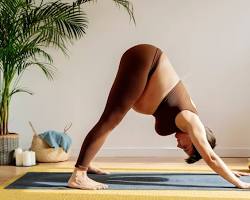
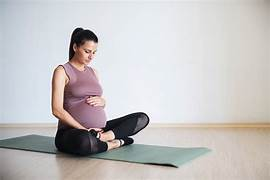
Yoga offers far more than physical flexibility. It helps you build emotional confidence, create balance in your daily life, and support your overall sexual wellbeing through mindful awareness, hormonal harmony, and a calmer nervous system. These benefits unfold gradually, giving you a deeper sense of connection with yourself and with the people you care about.
This guide explores how yoga influences confidence, balance, energy, mood, body image, and intimate wellbeing all through natural, holistic practices.
1. Understanding the Connection Between Yoga, Confidence, and Sexual Wellbeing
Mind-Body Awareness as the Foundation
When you practise yoga, you begin noticing how your body responds to thoughts, emotions, and stress. This awareness helps you identify physical and emotional tension and gives you the tools to release it. As your connection with your body deepens, confidence grows naturally, and you feel more at ease with yourself.
Emotional Stability and Healthier Relationships
A calm nervous system supports better communication, patience, and emotional openness. These qualities strengthen your relationship with yourself and others. Many people who join a 200 Hour Yoga Teacher Training notice this shift deeply because the immersive environment encourages consistent practice and mindfulness.
2. How Yoga Builds Deep and Authentic Self-Confidence
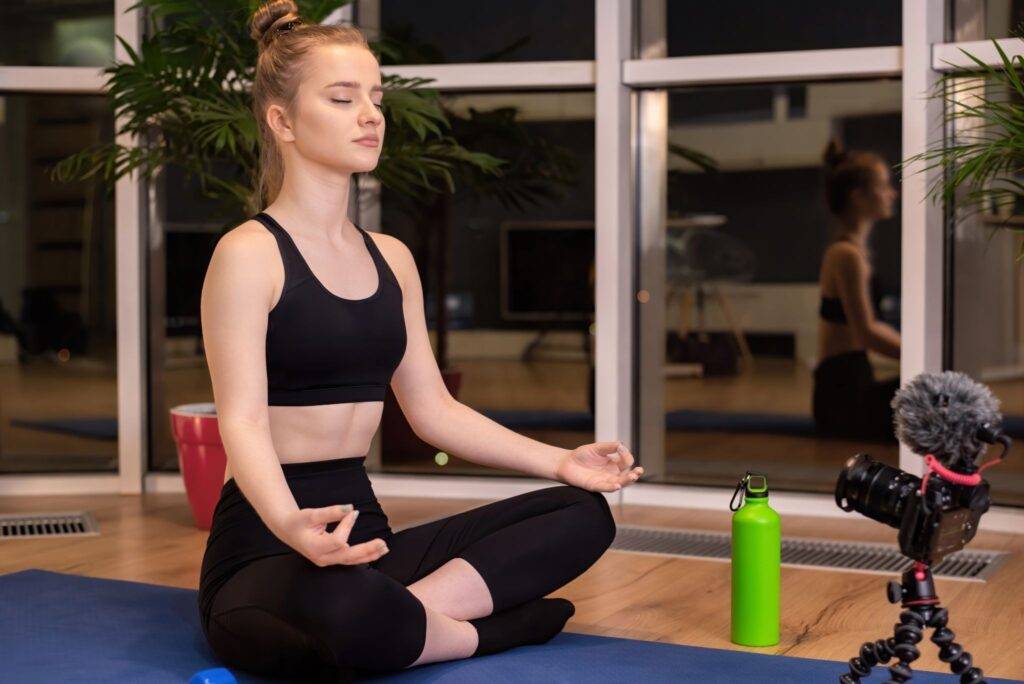
Developing Trust in Your Body
Yoga helps you understand what your body can do. With time, strength builds, movements feel more natural, and flexibility improves. This creates a sense of self-assurance that grows from the inside out. Instead of relying on external approval, you trust your own abilities.
Posture, Presence, and Inner Strength
Strong legs, a stable core, and an open chest influence how you carry yourself. Improved posture boosts confidence in everyday interactions. You stand taller, speak with clarity, and move with greater intention. These small but important physical shifts positively affect how you feel emotionally.
3. Stress, Anxiety, and Their Impact on Sexual Wellness
How Stress Affects Emotional and Sexual Health
Stress affects hormones, sleep patterns, emotional stability, and physical comfort. When the mind is overwhelmed, the body becomes tense and less responsive. This tension trickles into every aspect of wellbeing, including intimacy, communication, and emotional closeness.
Yoga as a Natural Stress Regulator
Yoga slows the breath, relaxes the muscles, and shifts your body into a calmer state. This helps regulate cortisol levels and encourages mental clarity. As tension fades, emotional availability increases, making space for better connection.
Breathwork and Complementary Practices
Breathwork like alternate nostril breathing, deep belly breathing, and paced exhalations calm the mind and reduce anxiety. Many people enhance this relaxation through Sound Healing, which uses soothing frequencies to deepen stillness and emotional release.
4. How Yoga Supports Natural Hormonal Balance
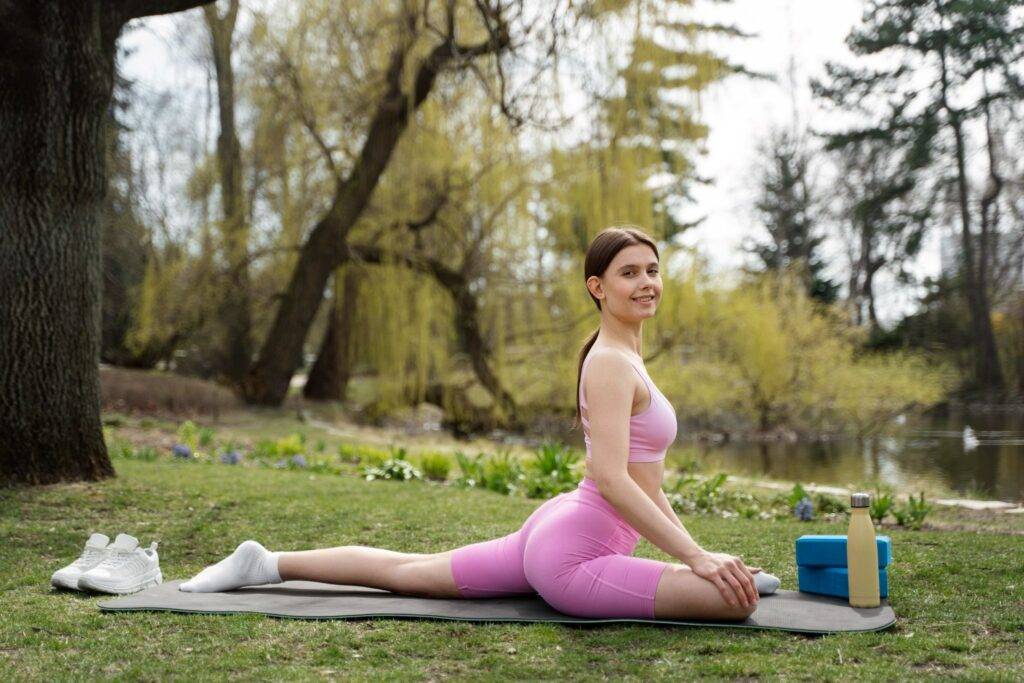
Hormones and Their Role in Everyday Wellbeing
Hormones influence energy, mood, emotional closeness, and the overall feeling of wellness. Imbalances created by stress, poor sleep, or lifestyle changes affect confidence and emotional stability.
Yoga’s Gentle Influence on Hormonal Harmony
Through movement and breath, yoga stimulates circulation, supports nervous system balance, and reduces stress — all essential for hormonal regulation. When combined with Ayurvedic Wellness practices, such as herbal support, massage, or balanced nutrition, the body finds even greater stability.
5. Pelvic Floor Strength and Its Influence on Total Wellness
Why Pelvic Floor Health Matters
The pelvic floor supports posture, spinal alignment, and core stability. It plays a major role in mobility, comfort, and long-term physical wellbeing. Weakness or tension in this area affects balance and foundational strength.
How Yoga Helps Strengthen and Relax the Pelvic Floor
Gentle postures like Bridge Pose, Bound Angle Pose, Cat–Cow, and deep squats support pelvic floor activation and release. These movements improve circulation, mobility, and awareness of this important muscle group.
6. Yoga for Emotional Intimacy and Relationship Health
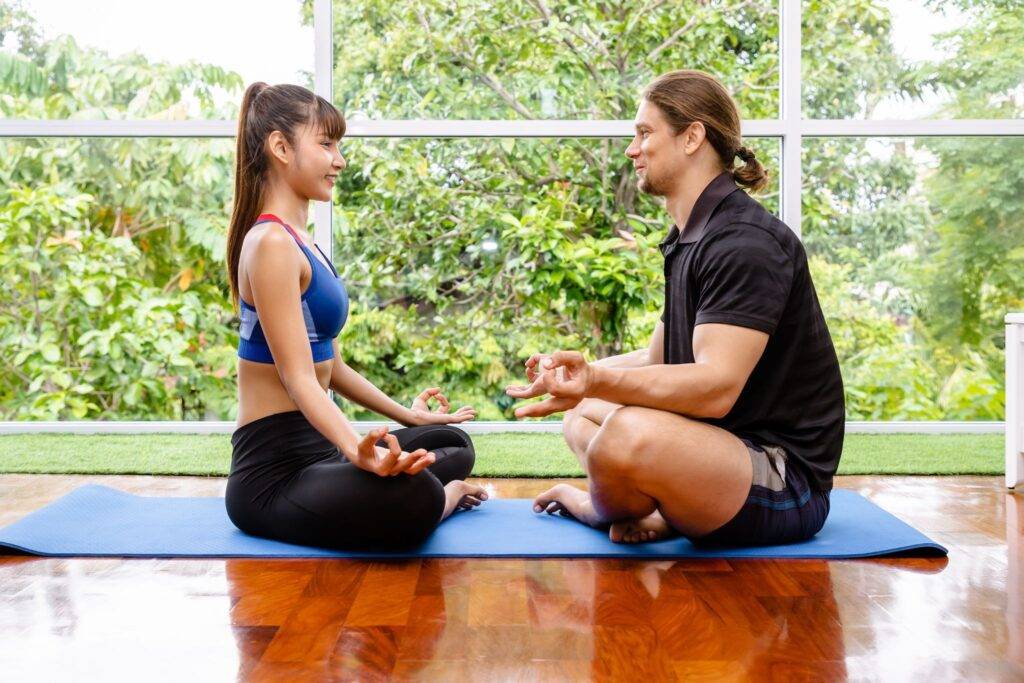
Becoming More Present in Your Interactions
Yoga teaches awareness not just of yourself, but of the moment. This presence helps you listen better, communicate honestly, and connect more deeply with others. When you are emotionally grounded, your relationships naturally thrive.
Reducing Reactivity and Supporting Harmony
A calmer mind leads to fewer arguments, less irritation, and more understanding. Yoga helps regulate emotional patterns, allowing you to respond thoughtfully rather than react impulsively.
7. Yoga’s Effect on Energy, Vitality, and Everyday Confidence
Improved Circulation and Oxygen Flow
Yoga stimulates blood flow and oxygen delivery throughout the body. This boosts energy levels and enhances mental clarity, making you feel more engaged and vibrant during the day.
Building Strength, Flexibility, and Physical Ease
Over time, yoga increases endurance, flexibility, and mobility. These improvements make daily movement easier and more enjoyable. When your body feels strong and capable, it naturally boosts your confidence and sense of wellbeing.
Mental Lightness and Elevated Mood
Meditation, breathwork, and mindful movement elevate your mood and reduce emotional heaviness. Many retreats and classes pair yoga with Sound Healing to amplify these shifts, creating a deep sense of peace and clarity.
8. Supporting a Positive Body Image Through Yoga

Moving Beyond Appearance-Based Thinking
Yoga encourages you to appreciate your body’s abilities rather than focusing solely on appearance. You begin to value strength, balance, and the ability to breathe deeply and calmly. This shift strengthens your relationship with your body and reduces self-judgment.
Confidence Through Progress and Personal Growth
Every improvement on the mat holding a pose longer, bending deeper, or balancing with more stability gives you a sense of achievement. These moments build confidence and reshape how you see yourself.
9. Yoga Practices That Enhance Confidence and Overall Wellbeing
Yoga Poses That Build Inner Stability and Strength
Tree Pose, Warrior II, Triangle Pose, and Chair Pose improve balance, posture, and groundedness. These poses help cultivate physical and emotional resilience.
Poses That Promote Relaxation and Emotional Release
Gentle stretches, hip openers, and restorative poses encourage the release of stored tension. They also help the body shift into a calmer state, which supports emotional wellness.
Meditation and Breathwork for Emotional Clarity
A few minutes of stillness each day helps you manage thoughts more effectively, regulate emotions, and stay centred essential for confidence and wellbeing.
10. Creating a Balanced Yoga Routine for Long-Term Wellness
Consistency Creates Transformation
Positive changes from yoga come from regular practice. Even 10–15 minutes each day can support emotional balance, physical strength, and hormonal stability.
Combining Movement, Breath, and Mindfulness
A balanced routine includes postures for strength, breathwork for calmness, and meditation for clarity. Programs like the 200 Hour Yoga Teacher Training help you build this kind of holistic foundation.
Supporting Your Journey with Holistic Therapies
Incorporating Ayurvedic Wellness rituals and Sound Healing sessions into your routine can enhance your emotional stability, energy levels, and overall wellbeing.
Oceanicyoga continues to support individuals seeking holistic transformation, emotional clarity, and a deeper connection with themselves.
Frequently Asked Questions
1. Can yoga really improve confidence?
Yes. Yoga builds confidence by improving posture, strengthening the body, calming the mind, and helping you feel more connected and capable.
2. How does yoga help reduce stress that affects sexual wellbeing?
Yoga lowers cortisol, relaxes the body, and regulates the nervous system. When stress decreases, emotional closeness, communication, and overall wellbeing improve.
3. What type of yoga is best for hormonal balance?
Restorative yoga, gentle flow, and breathwork practices support relaxation and hormonal regulation. Many people also pair yoga with Ayurvedic Wellness for deeper balance.
4. How often should I practise yoga to feel these benefits?
Even a short daily practice makes a big difference. Consistency is more important than duration. Most people feel noticeable improvements within a few weeks.
5. Do I need to be flexible to start yoga?
Not at all. Flexibility grows naturally with practice. Yoga welcomes beginners of all levels, and every pose can be modified to suit your body.