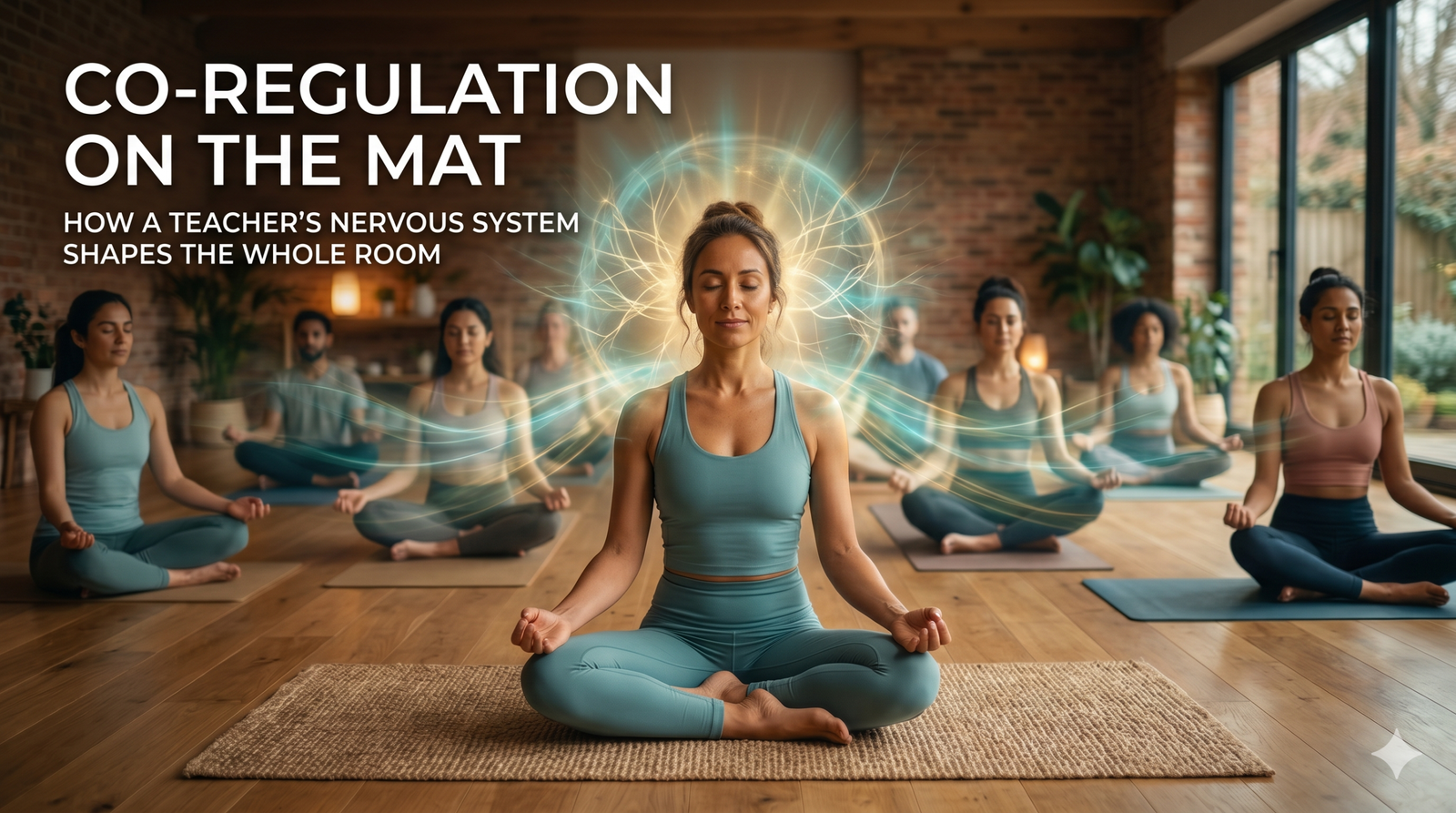
Yoga, meditation, and mindful movement involve more than just physical poses – they involve energy, awareness, and connection. As an instructor in the studio, you aren’t simply there to demonstrate poses; you’re a nervous system educator. The way you appear, breathe, and move can greatly impact the emotional quality of the space. Knowing co-regulation as a nervous system educator is game-changing for yoga instructors, mind-body teachers, and wellness educators looking to create a space that’s calm and present.
In this blog post, you’ll learn how your own nervous system affects the whole space, why being a regulated teacher is your best teaching tool, and some tips for becoming one.
What is Co-Regulation on the Mat?
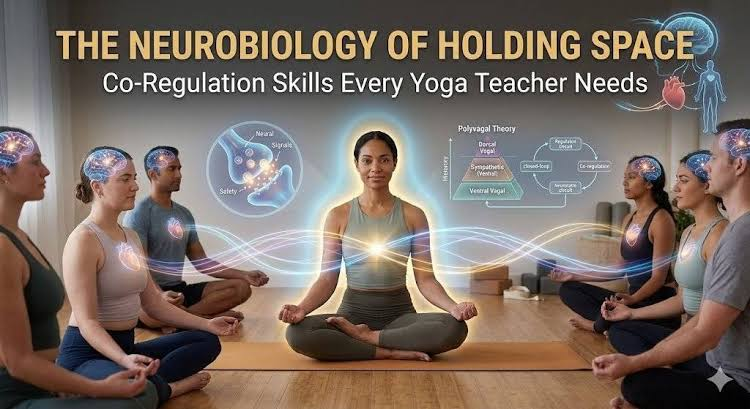
Co-regulation involves a phenomenon wherein people affect each other’s nervous systems. When one is in a yoga session or other movement class, a person subconsciously tunes into their teacher’s energy, breath, and emotional state. Thus, if the teacher is calm, focused, and present, the entire class is affected by this quality.
However, when one senses that a teacher is anxious, rushed, or even distracted, it creates unnecessary tension or unrest among students. Thus, it is as vital for a person to be an expert at their internal regulation as at the postures and cues they are planning to share.
How a Teacher’s Nervous System Shapes the Class
Your nervous system acts as your body’s control centre, affecting not only bodily functions such as respiration and heartbeat but also your emotions and response to stress. Students are quite responsive to these signals, especially in an attentive environment like the yoga class.
Here is how your nervous system affects the class:
- Mirror Neurons in Action: It is part of our nature to mirror the emotional and physical states of those around us. Your relaxed body position, tone of voice, and breathing encourage imitation in students.
- Establishing Psychological Safety: With a balanced nervous system, you create an atmosphere of psychological safety. Students are more likely to attempt difficult postures or work on emotional issues.
- Flow and Teamwork: There can be a kind of harmony of the nervous systems in the room, giving rise to flow and team spirit.
- Boosted Learning and Absorption: In a psychologically safe environment, when students mirror the relaxed teacher, their nervous systems will be in their best condition to learn and absorb.
Why Your Regulated Presence is Your Most Powerful Teaching Tool
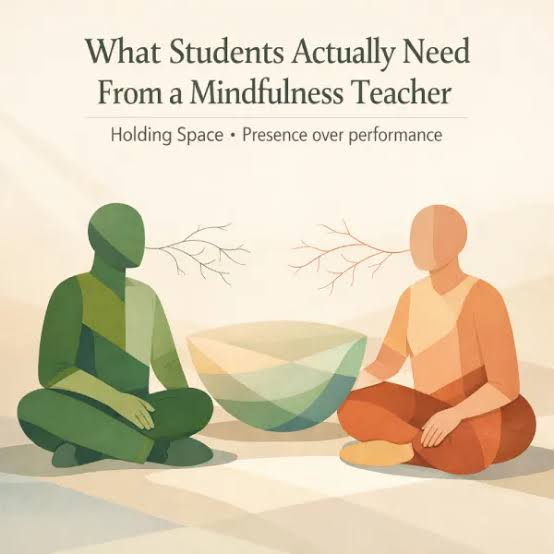
As an educator, if you concentrate just on sequencing, posturing, or language, you miss out on one powerful thing you do without realizing. The state of mind in which you find yourself, characterised by calmness, focus, and emotional regulation, is more influential than anything else.
Key Takeaways:
Presence Is More Important Than Perfection: It’s the presence of an authentic teacher that matters more to students than the perfection of verbal cues.
Energy Exchange: How you breathe and talk reveals a lot about what kind of space students feel safe and trusting in.
Emotional Regulation: Teaching through calmness in the process demonstrates to students how to regulate themselves when encountering difficulty.
To summarise, your nervous system acts as an educational partner that guides the practice in silence.
Practices to Cultivate a Regulated Nervous System Before Class
In order to tap into the potential of co-regulation in the classroom, it is necessary for teachers to focus first on themselves and on regulating their own nervous systems. Some possible ways to achieve this include:
1. Grounding and Breathwork
Take 3-5 minutes before class starts and focus on your breath. Diaphragmatic breathing, box breathing, and alternate nostril breathing are all good options for activating the parasympathetic nervous system.
2. Body Scan and Somatic Awareness
Before going to the mat, do a quick scan of your body to release any tension or stress you might be feeling. This is important to develop somatic regulation.
3. Mindful Intention Setting
Create an intention for your class, but base it on what the class participants should feel rather than what they should learn. Intention based on presence helps develop co-regulation.
4. Movement Rituals
Take some time for personal moving rituals, like stretching, yoga, or mobility movements. This helps relax muscles and sends a signal to your nervous system that you’re prepared to teach from a relaxed state of mind.
5. Emotional Check-In
Check in with yourself: “How am I feeling? What’s my focus?” Recognising your emotions can help prevent you from projecting them unconsciously onto your students.
How to Maintain Co-Regulation During Class
After mastering your regulated state, sustaining it throughout the class is vital. Here are some tips:
- Return to Your Breath: Check into your breathing occasionally to remain centred. A steady breath signifies serenity.
- Utilise Your Voice: Your voice conveys an emotional message. Try speaking slowly with warmth and refrain from rapid instruction.
- Transitions with Mindfulness: Make transitions between poses with awareness and presence, providing students with a sense of rhythm and certainty.
- Non-judgmental Observation: Observe tension or distractions in the classroom without becoming reactive. Your calm observation provides regulatory feedback for students.
- Mini Breaks for Reset: Take small breaks whenever needed, even for just a few breaths, to remain centred throughout the entire lesson.
The Science Behind Co-Regulation
Neuroscience and somatic psychology provide a scientific basis for co-regulation. The idea of mirror neurons, responses of the limbic system, and polyvagal theory all imply that we subconsciously emulate the emotional state of those surrounding us.
Polyvagal Theory: When the teacher is in a ventral vagal state (relaxed and present), the nervous systems of students are more prone to enter this state.
Mirror Neurons: Students mimic the postural habits, breathing, and facial expressions of the teacher.
Stress Contagion: On the other hand, dysregulated teachers have an unintended effect on increasing anxiety in the room.
The scientific rationale emphasises the power of your regulated presence even further.
Bringing It All Together
Co-regulation on the mat does not involve control over the kids; rather, it involves your ability to regulate yourself in such a way that you influence the class. This is achieved by using techniques such as nervous system regulation, emotional regulation, and intentional presence.
The truth of the matter is that your presence communicates much more than just words alone. If you regulate yourself first, the students will reward you for it.
FAQs
1. What is Co-Regulation in Yoga Class?
Co-Regulation in yoga class is the way a teacher’s nervous system and emotional state impact the students’ nervous systems, resulting in mutual states of calmness, attention, and relaxation.
2. How can a teacher remain regulated while teaching?
By doing breathwork exercises, mindfulness practices, voice modulation techniques, and taking breaks, a teacher will be able to maintain his/her emotional state.
3. Why does a teacher’s nervous system matter so much in yoga class?
Since students automatically replicate the teacher’s energy, emotional state, and gestures, the teacher’s nervous system plays an essential role in creating safety for everyone involved.
Key Phrases: “Co-Regulation on the Mat: How the Nervous System of a Teacher Can Influence Everything in the Room” – repeated 6 times
Related Keywords: Emotionally intelligent teaching, somatic knowing, teacher presence, mindful leadership, nervous system care, polyvagal yoga