 Skip to main content Skip to footer
It is an experience like no other, as the body undergoes tremendous changes physically, emotionally, and mentally. Pregnancy not only causes physical changes but also emotional stress that can be challenging for any woman to cope with. However, among many things pregnant women should try during pregnancy, prenatal yoga is one practice that can help them manage the changes.
Although yoga is a wonderful exercise for anyone who wants to improve their strength, flexibility, and balance, prenatal yoga is an excellent option for expecting women. Prenatal yoga is customized for pregnant women to ensure that their changing bodies remain safe and healthy. No matter which trimester you are in, you will have something unique to gain from prenatal yoga.
This blog post will discuss prenatal yoga for different stages of pregnancy, including the first trimester.
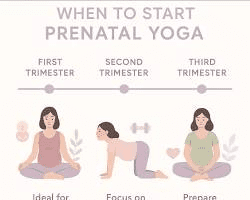
First Trimester (Weeks 1–12): Building a Foundation
The first trimester is usually characterized by much excitement but also exhaustion, morning sickness, and hormonal shifts. While physical signs may not be noticeable at this stage, your body works overtime from within.
Benefits of Prenatal Yoga During the First Trimester
1. Reduces Stress and Anxiety
With the changes in hormones, you are likely to feel overwhelmed and anxious. Yoga practices and breathing exercises can help ease tension and stress.
2. Eases Nausea and Fatigue
Yoga involves mild postures, which, when combined with breathing techniques, can increase blood circulation and oxygen flow, thus reducing morning sickness and fatigue.
3. Encourages Mind-Body Connection
You need to start connecting with your body and your child as soon as possible. Yoga meditation and breathing can promote emotional and psychological bonding.
4. Promotes Better Sleep
During pregnancy, many women experience disrupted sleep patterns. Yoga relaxation techniques will help you get more restful sleep.
5. Establishes Healthy Habits
It is always advisable to begin prenatal yoga in the early stages of pregnancy because it helps build healthy habits.
Recommended Practices
- Mild stretching and simple postures
- Breathing exercises
- Meditation
Second Trimester (Weeks 13–27): Strength and Stability
The second trimester is often known as the “golden period” because there is more energy and less nausea during this period. But changes in the body will be more apparent as the belly expands.
Benefits of Prenatal Yoga During the Second Trimester
1. Improves Posture and Balance
As your center of gravity changes, prenatal yoga can help keep your posture balanced and prevent back pain.
2. Strengthens Muscles
During pregnancy, your core muscles must strengthen to provide more stability and support for your baby.
3. Reduces Back Pain and Discomfort
The gentle stretches can help release any pressure in your back, neck, or shoulders.
4. Enhances Circulation
Good circulation can help with swelling and promote general cardiovascular health.
5. Boosts Energy Levels
Yoga can boost your energy levels during pregnancy.
Recommended Practices
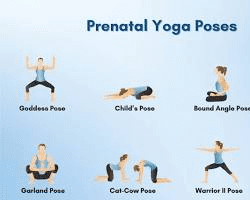
- Try standing postures to build muscle strength and improve balance.
- Practice hip openers.
- Do pelvic floor strengthening exercises (Kegels).
- Use yoga blocks and pillows.
Third Trimester (Weeks 28–40): Preparation for Birth
Pregnancy can be exhausting, particularly during the last trimester. As the fetus develops, you might feel some physical strain, a reduction in movement, and excitement in preparation for delivery.
Key Benefits of Prenatal Yoga in the Third Trimester
1. Prepares the Body for Labor
Practicing prenatal yoga enhances your body’s muscular strength and flexibility, thus ensuring a smooth delivery process.
2. Encourages Optimal Baby Positioning
Some postures open up the space within your pelvis and encourage your baby to get into the optimal position for delivery.
3. Relieves Common Discomforts
Prenatal yoga alleviates symptoms such as backache, swelling, cramping legs, and shortness of breath.
4. Teaches Breathing Techniques for Labor
Breathing techniques are fundamental for enduring labor pains and remaining relaxed throughout the delivery period.
5. Promotes Relaxation and Reduces Fear
Prenatal yoga involves meditation and visualization exercises that relieve stress and anxiety.
Recommended Practices
- Gentle squats and pelvic tilt poses
- Stretches while supported by props
- Labor breathing exercises
- Restorative postures
General Benefits of Prenatal Yoga Across All Trimesters
Each trimester offers its own strengths, but certain benefits are common to all of prenatal yoga:
- Promotes psychological well-being
- Increases flexibility and muscle strength
- Helps manage pregnancy aches and pains
- Aids in breathing and relaxation
- Fosters mindfulness and tranquility
- Prenatal Yoga Safety Guidelines
Safety Tips for Practicing Prenatal Yoga
- Get approval from your doctor before starting
- Take classes conducted by a professional prenatal yoga instructor
- Do not lie on your back during the second and third trimesters
- Hydrate yourself and maintain optimal temperature
- Pay attention to your body and do not strain
Conclusion
Prenatal yoga is much more than an exercise program; it’s a method of taking care of yourself during one of the most significant events in your life. Prenatal yoga responds to the different needs that each trimester poses and meets them with grace and intent.
Not only will prenatal yoga ease any problems you experience throughout your pregnancy, but it will also prepare your body for childbirth with strength and confidence. It will help you become a strong and healthy individual, ready to give birth and create a positive environment for your developing child.
Whether you’re a new mother or already have children, prenatal yoga could be beneficial for you in your path toward becoming a mother.
FAQ
1. Is prenatal yoga suitable for all pregnant women?
Prenatal yoga is a generally safe activity for most women; however, it’s advisable to seek professional medical advice before engaging in it.
2. When should one start prenatal yoga?
Women can start practicing prenatal yoga as soon as they enter their first trimester, subject to the approval of their healthcare providers.
3. Can beginners practice prenatal yoga?
Yes. Prenatal yoga is suitable for all types of participants, regardless of whether they’re experienced or beginners.
4. How many times should one practice prenatal yoga per week?
Two to four sessions per week could be ideal, but even a few minutes can go a long way towards enhancing the health of a pregnant woman.
5. What are some of the poses one should not perform during pregnancy?
Women should avoid deep twisting poses, intense backbends, and lying flat on their backs past their first trimester.
