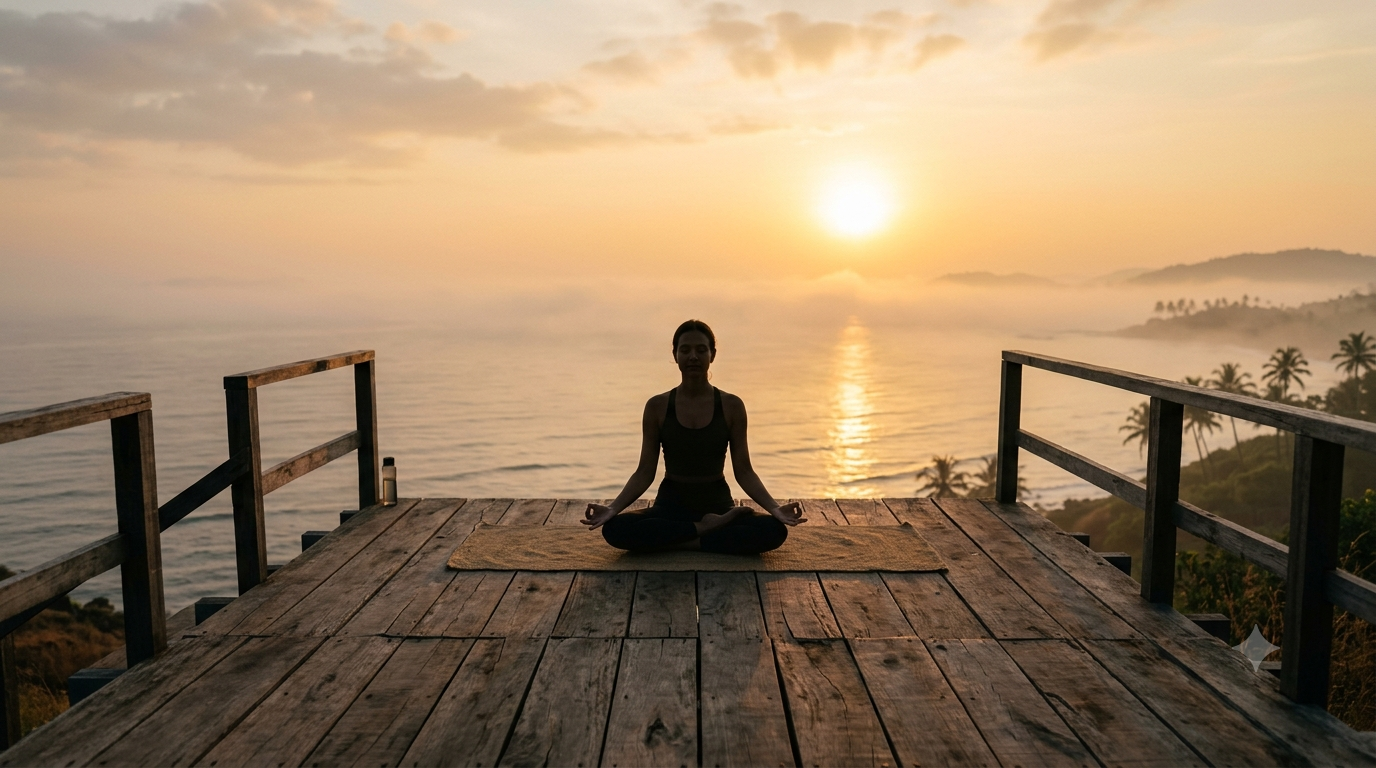
The word Yoga comes from the Sanskrit root Yuj, meaning “to unite.” That single idea — union — is the whole point of yoga teacher training in Goa: building a real, working bond between body, mind, and soul.
Most of us live in a gap. We think one thing, want another, and do something entirely different in practice. We chase more without knowing what “enough” looks like, and that mismatch between what we demand and what actually satisfies us is where stress and anxiety take root. Practicing yoga doesn’t erase that gap overnight, but it gives you the balance and clarity to start closing it.
Yoga Is Mental Discipline, Not a Quick Fix
Learning to sit with your thoughts — the good ones and the difficult ones — and stay calm regardless of the situation isn’t a one-hour solution. There’s no shortcut. But a consistent daily practice of yoga and meditation steadily reduces the noise, and over time, life genuinely feels lighter.
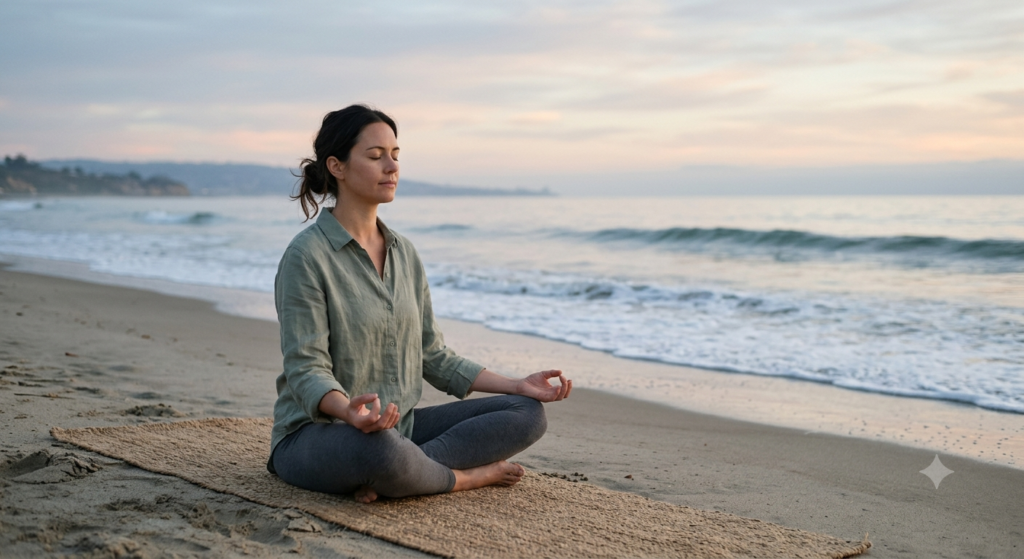
We live in a world that measures worth by outer appearance and material success. The problem is that appetite for “more” is never fully satisfied — earthly things simply can’t deliver lasting peace. As the Bible puts it: “Be still and know that I am God.” That stillness is the real science behind yoga. At its core, yoga teacher training is a discipline for managing the restlessness of both mind and body.
How a Yoga Practice Helps Combat Stress and Anxiety
1. It Improves Physical Health First
It’s easy to assume that expensive food, a well-furnished home, or a five-star lifestyle will bring happiness and fitness. It won’t. Real physical health — and the mental peace that comes with it — starts from within. A consistent yoga and meditation practice can help you:
- Improve flexibility
- Build stronger, more resilient muscles
- Support healthy weight management and a more youthful appearance
- Balance metabolism and improve blood circulation
2. It Builds the Mental Stability to Combat Stress and Anxiety
Yoga isn’t just physical movement — it’s a methodical practice that trains the mind alongside the body. Paired with regular meditation, it sharpens focus and cultivates mindfulness, the skill that actually lets you combat stress and anxiety in daily life. Over time, this practice helps you face difficult situations with a calmer, clearer head and gradually reduces negative thought patterns in favor of genuine mental clarity.
3. It Unites Body, Mind, and Spirit
Yoga is ultimately a path to unifying body, mind, and soul — the first real step toward spiritual awareness. Different styles serve different parts of that goal, including Hatha Yoga, Karma Yoga, Mantra Yoga, and Bhakti Yoga. Hatha Yoga in particular is one of the most effective styles for purifying the body and calming the mind, making it a strong entry point for stress management.
(Also worth checking: Yoga Alliance for certified training standards.)
The Bottom Line
If stress and anxiety are weighing you down, yoga and meditation offer a real, sustainable path forward. It takes time to build the habit and steady the mind — there’s no shortcut — but showing up daily pays off physically and mentally. Let go of the negativity, and give yoga a real chance.
FAQ: Yoga for Stress and Anxiety
Q: Can yoga actually help combat stress and anxiety?
Yes. Regular yoga practice combines physical movement, breath control, and mindfulness, which together lower cortisol levels, calm the nervous system, and improve emotional regulation — making it an effective, natural way to combat stress and anxiety.
Q: How long does it take for yoga to reduce stress and anxiety?
There’s no fixed timeline. Some people notice calmer breathing and lower tension within a few sessions, but lasting mental discipline and stress reduction typically build over weeks to months of consistent practice.
Q: Which type of yoga is best for anxiety?
Hatha Yoga is widely considered one of the most effective styles for calming the mind and purifying the body, making it a strong starting point for anxiety and stress management. Restorative and Yin yoga are also commonly recommended for their slower, grounding pace.
Q: Do I need to meditate along with yoga to see results?
It helps significantly. Yoga addresses the physical and energetic body, while meditation trains mental focus and mindfulness. Combined, they create a more complete approach to managing stress and anxiety than either practice alone.
Q: Is yoga a replacement for therapy or medical treatment for anxiety?
No. Yoga is a valuable complementary practice for managing everyday stress and anxiety, but it isn’t a substitute for professional mental health care. Anyone dealing with clinical anxiety or a diagnosed condition should consult a licensed therapist or doctor alongside any yoga practice.
Q: What physical benefits come along with yoga’s stress-relief effects?
Beyond calming the mind, regular practice improves flexibility, builds muscle strength, supports healthy weight management, and improves circulation and metabolic balance — benefits that reinforce mental wellbeing too.