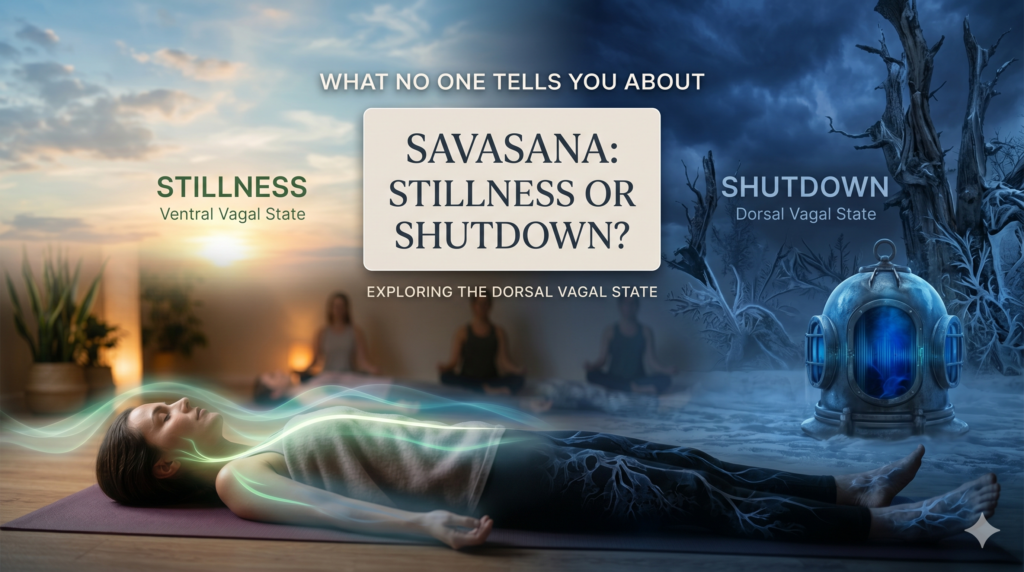

For many individuals who practice yoga, Savasana is seen as the most effortless aspect of class; it is simply some peaceful moments lying on the mat so the body and mind can integrate the benefits
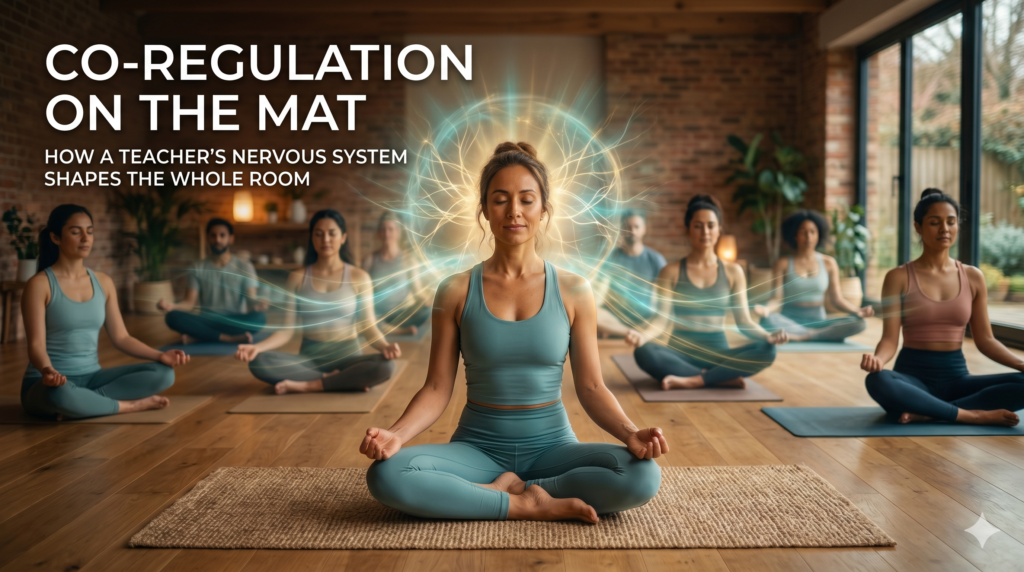
Yoga, meditation, and mindful movement involve more than just physical poses – they involve energy, awareness, and connection. As an instructor in the studio, you aren’t simply there to demonstrate poses; you’re a nervous system
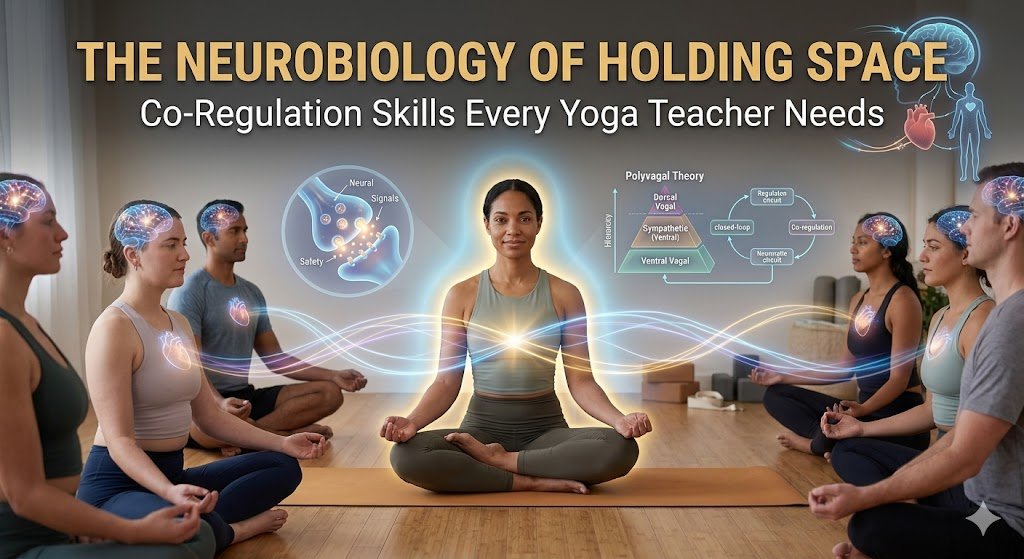
Your nervous system is the most important prop in the room. Developing co-regulation skills for yoga teachers can make a profound difference in the class experience for everyone. Introduction During training sessions for becoming a
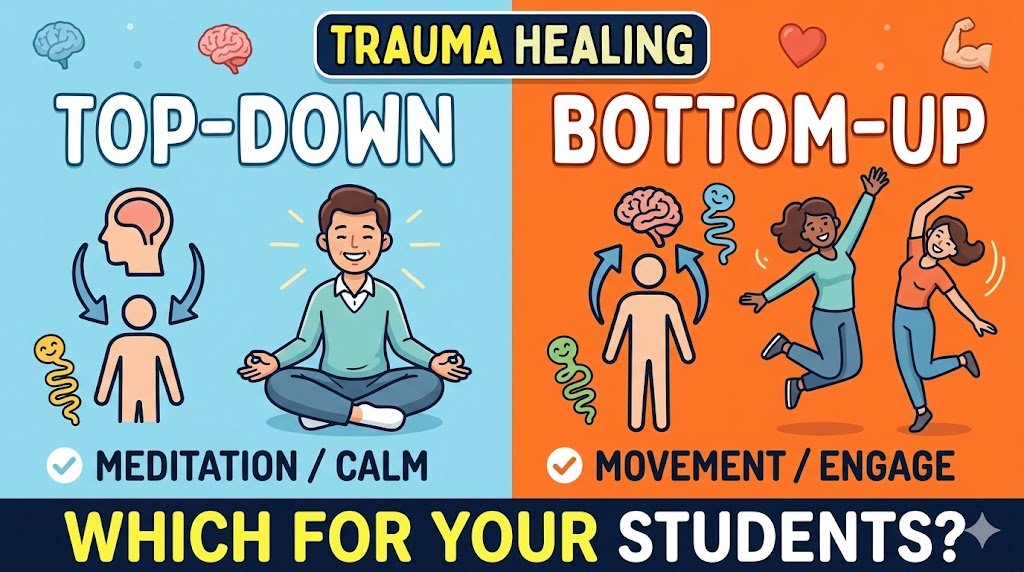
Helping teachers understand which tools fit which nervous system state is particularly important when considering top-down and bottom-up regulation in the classroom. One of the biggest problems in trauma-informed teaching is being aware of which
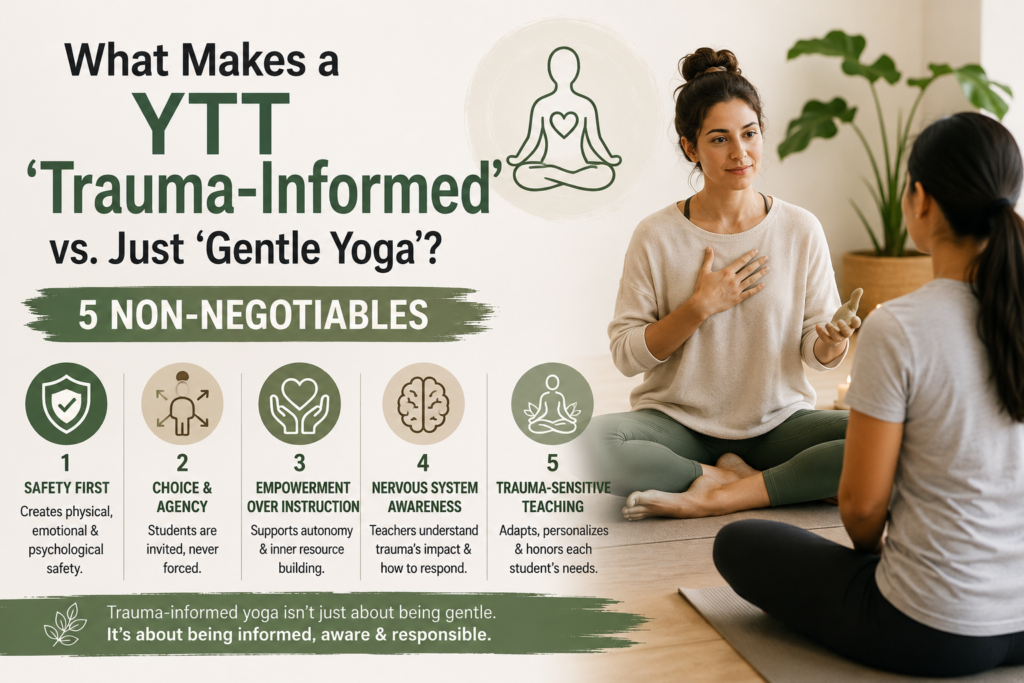
Cutting through the buzzwords for teachers choosing a training is especially important when considering a Trauma-Informed Yoga Teacher Training. Modern YTTs often utilize terminology such as healing, safe space, nervous system regulation, and trauma-informed. However,

Why stillness can be threatening and how to offer options. In this post, we’ll explore why savasana can feel unsafe for some people and discuss ways to create a more supportive environment. Savasana, for many
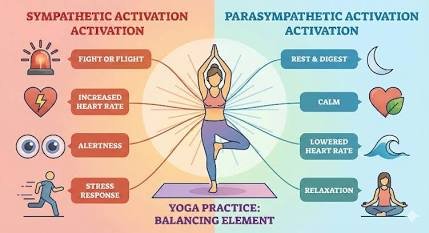
A More Integrated and Compassionate Approach to Modern Yoga Education. One way to foster this approach is through trauma-informed yoga teacher training, which helps yoga instructors support students with greater sensitivity and understanding. For future
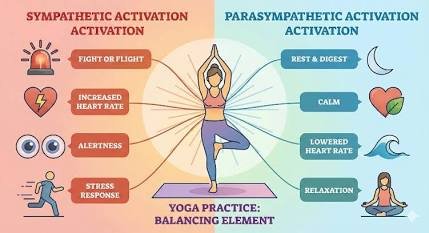
Through the Lens of Polyvagal Theory Do you have a student who can’t find relaxation in Savasana, regardless of how gentle your voice is and how dark your lights are? Or, a student who cries
WhatsApp us